
How Speech Pathologists Use UFLI Foundations to Support Reading and Spelling
What UFLI is, why it matters and how we use it in therapy
Many people think speech pathologists only help with talking. In fact, we also help with reading and writing. Reading is built on spoken language, so when someone finds it hard to hear and work with the sounds in words, reading and spelling often become hard too.
We recently completed professional development in UFLI Foundations, an evidence-based phonics program. Here’s what it is, why it matters and how we use it in our sessions at Activate Allied Health.
What is UFLI Foundations?
UFLI Foundations is a structured phonics program. It teaches reading skills in a set order (a “scope and sequence”), so each new skill builds on the one before. It uses the same daily routine every lesson, which keeps things predictable.
It was designed for whole classes, small groups or one-on-one support. Most people at our training day were teachers. As speech pathologists, we looked at how the program can fit into therapy.
Why UFLI matters for speech pathology
There is a strong link between speech, language and literacy:
- Oral language comes first. Talking and listening skills lay the foundation for reading, and reading supports writing.
- Phonological processing matters. Difficulty hearing, holding and changing the sounds in words is closely linked to reading difficulties.
- Memory and attention play a part. Working memory, attention and executive functioning all affect how easily someone learns to read.
- Explicit teaching helps. Clear, systematic teaching is important for people with diagnoses such as developmental language disorder (DLD) and intellectual disability (ID).
UFLI fits well with these needs. It targets phonological awareness, phonics and orthographic mapping (how we store words in memory so we can read them instantly). Its highly structured format reduces the mental load, which can help neurodivergent learners. It is also easy to link to speech and language goals and to NDIS functional outcomes.
Starting with the UFLI Placement Test
Before we start, we can use the UFLI Placement Test. It is built from the UFLI scope and sequence and has 210 items across 11 skill sets. It shows which skills a person has already mastered and where therapy should begin, so no time is wasted on skills they already know.
The 8-step UFLI lesson
Each UFLI lesson follows the same eight steps:
- Phonemic awareness: a short listening and speaking warm-up, such as blending or breaking words into sounds. No letters yet.
- Visual drill: a quick review of letters and letter patterns. The aim is to name each sound instantly.
- Auditory drill: we say a sound, and the learner finds or writes the matching letter or letters.
- Blending drill: reading words by blending the sounds smoothly together.
- New concept: explicit teaching of a new pattern, such as a digraph (“sh”) or a vowel team (“ai”), with modelling and guided practice.
- Word work: spelling words using the new pattern, through dictation and word chains.
- Irregular words: learning common “tricky” words that don’t follow the usual rules, then reading, writing and using them in sentences.
- Connected text: reading a short decodable story that uses the new pattern, to build accuracy, fluency and understanding.
How we use UFLI in therapy
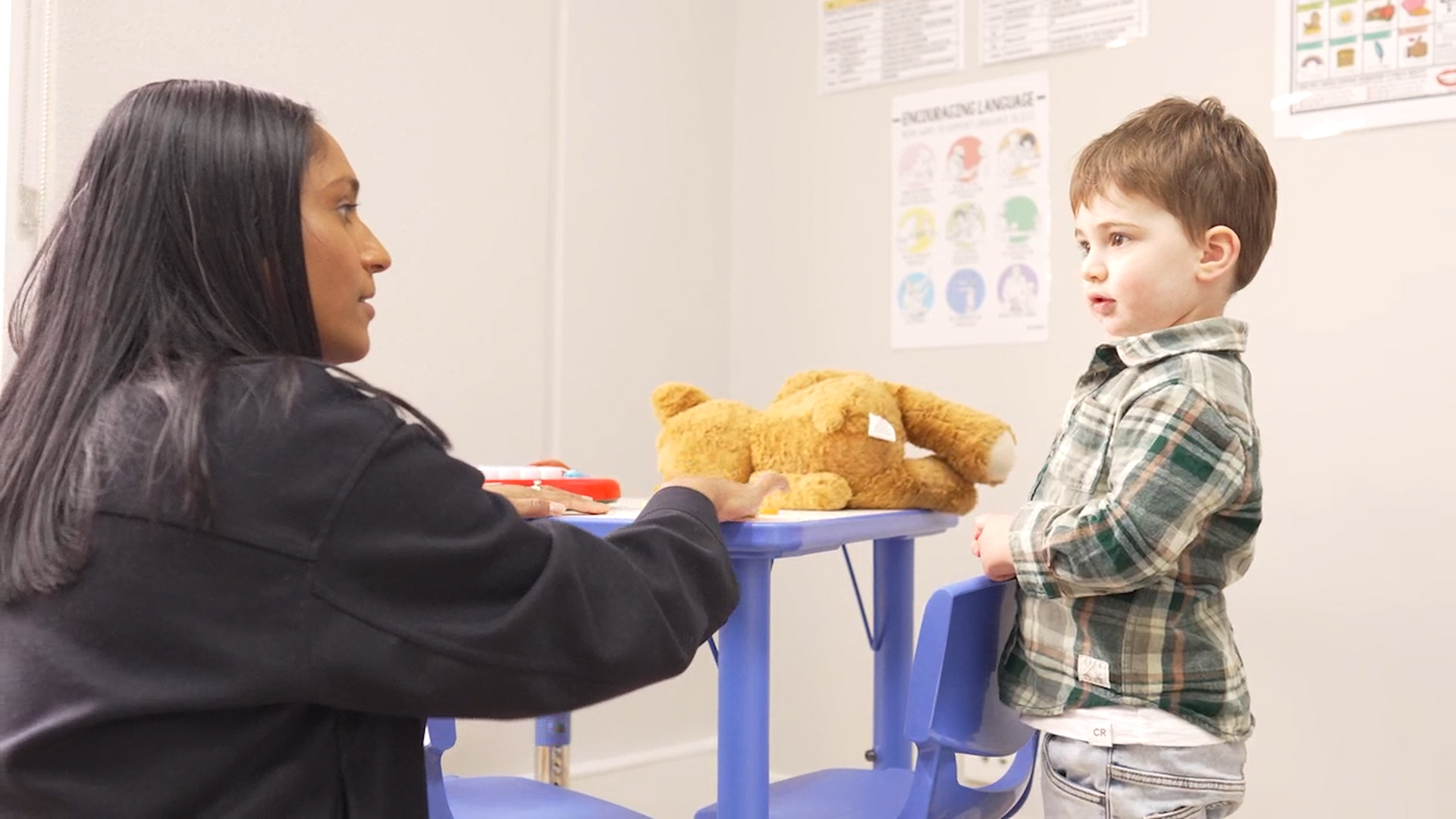
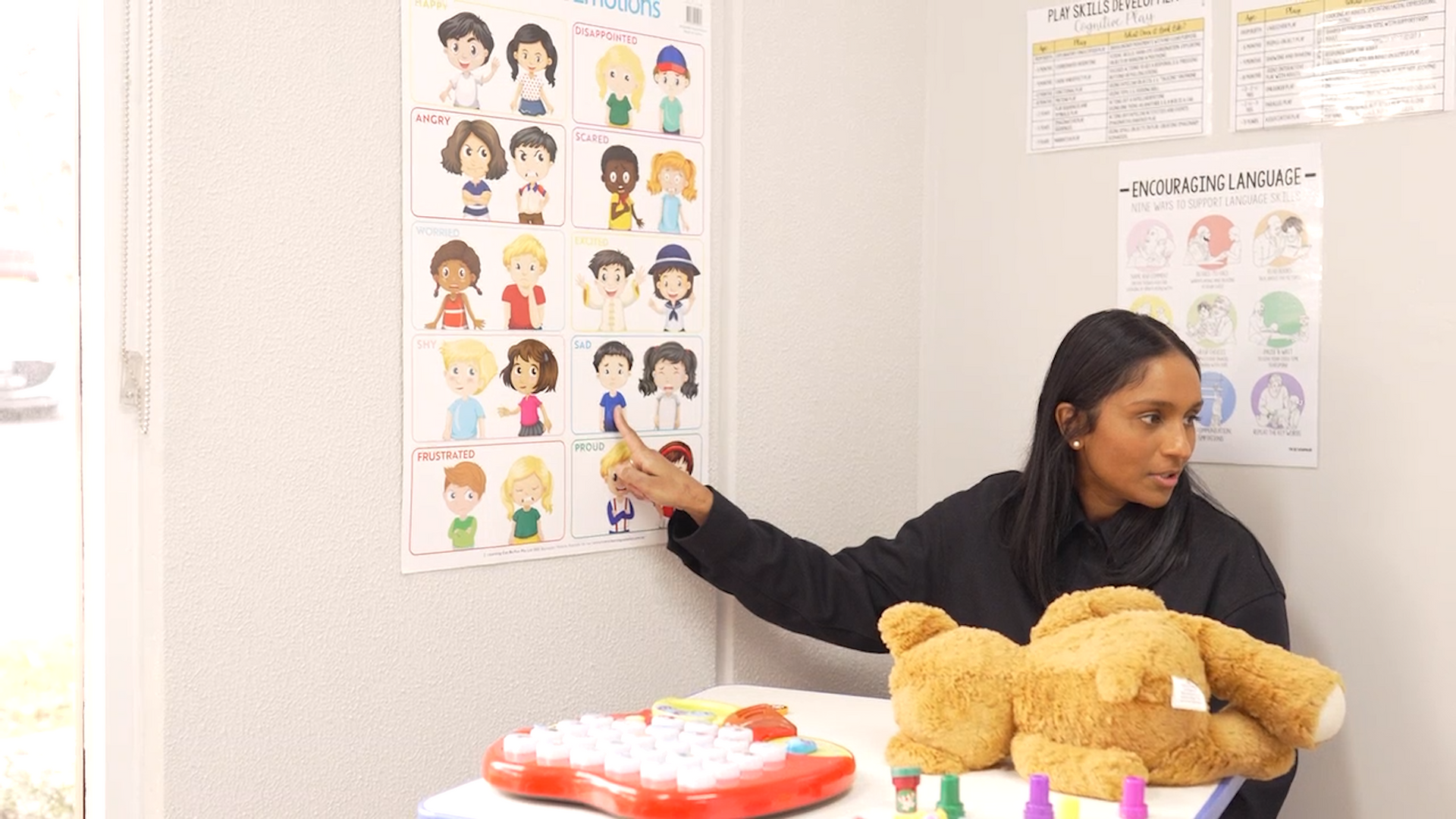
We use UFLI in one-on-one sessions and small groups. We can link it with speech goals (articulation and phonology) and language goals, customise word lists for each person, and use UFLI’s decodable readers to build fluency and comprehension.
We don’t always follow every step exactly. We use the program’s principles and adapt them to the person in front of us. Here are two examples of how sessions can look.
Supporting a primary school child
For a child who is still learning to decode and finds it hard to blend consonant clusters (such as “st” or “bl”), a session might include:
- a phonemic awareness warm-up
- visual and auditory drills
- blending practice and word chains with magnetic letters
- reading words and sentences
- writing sentences
- reading a decodable story, then drawing it to check understanding.
We give lots of praise and encourage positive self-talk, such as “I can read” instead of “I can’t read”.
Supporting an adult
UFLI isn’t only for children. For an adult working on reading and writing, we might use the placement test to guide therapy, then focus on the areas that need the most support. If some steps feel too easy, we skip them and spend more time on segmenting and blending with decodable readers. We look at the errors the person makes to choose the next rule to teach, and send readers home to practise between sessions.
Is UFLI right for you or your child?
If you or your child find reading or spelling hard, a speech pathology assessment can help work out why and what to do next. We see children and adults, both NDIS and private clients, and there is no waitlist for NDIS speech pathology.
Call us on (03) 8849 9795 and press 2 for speech pathology, or fill in the enquiry form on our website. Our clinic is at 1/147 Bulleen Road, Balwyn North. Telehealth and home visits are also available.
Frequently asked questions
Do speech pathologists help with reading?
Yes. Reading is built on spoken language, so speech pathologists can assess and support the sound, language and memory skills that reading and spelling depend on.
What is UFLI Foundations?
It is an evidence-based phonics program that teaches reading skills step by step, in a set order, using the same eight-step routine each lesson.
Is UFLI only for children?
No. We use UFLI principles with adults too, adapting the lessons to their goals and what they already know.
Can UFLI be used with NDIS goals?
Yes. Reading and writing support can link to NDIS functional goals, such as reading signs, menus or messages, or writing for everyday tasks.
Does my child need a diagnosis to get help?
No. Anyone who finds reading or spelling hard can book an assessment. UFLI’s structure can be especially helpful for people with DLD, intellectual disability or other learning differences.