
AAC Assessments for NDIS Participants: What to Expect
How a Speech Pathologist assesses for AAC, what the NDIS can fund and how to get started
For some people, speaking isn't the easiest or most reliable way to communicate. Augmentative and alternative communication (AAC) gives them other ways to get their message across, whether that's asking for a drink, telling a joke or joining in a conversation at school or work.
If you or someone you support is on the NDIS, an AAC assessment with a Speech Pathologist is usually the first step to finding the right system and getting it funded.
What is AAC?
AAC covers any way of communicating that adds to or replaces speech. It can include:
- Key word sign and gesture
- Communication boards and books with pictures, symbols or words
- Communication apps on a tablet
- Dedicated speech-generating devices
Many people use more than one type, depending on where they are and who they're talking to. Using AAC doesn't stop someone from developing speech. It gives them a way to communicate while their other skills grow.
Who might benefit from AAC?
AAC can help children and adults who find speech difficult or unreliable, including people with:
- Autism
- Cerebral palsy
- Childhood apraxia of speech
- Intellectual disability or developmental delay
- Acquired brain injury or stroke
- Progressive neurological conditions, such as motor neurone disease
There's no minimum age or skill level needed to start using AAC.
What happens in an AAC assessment?
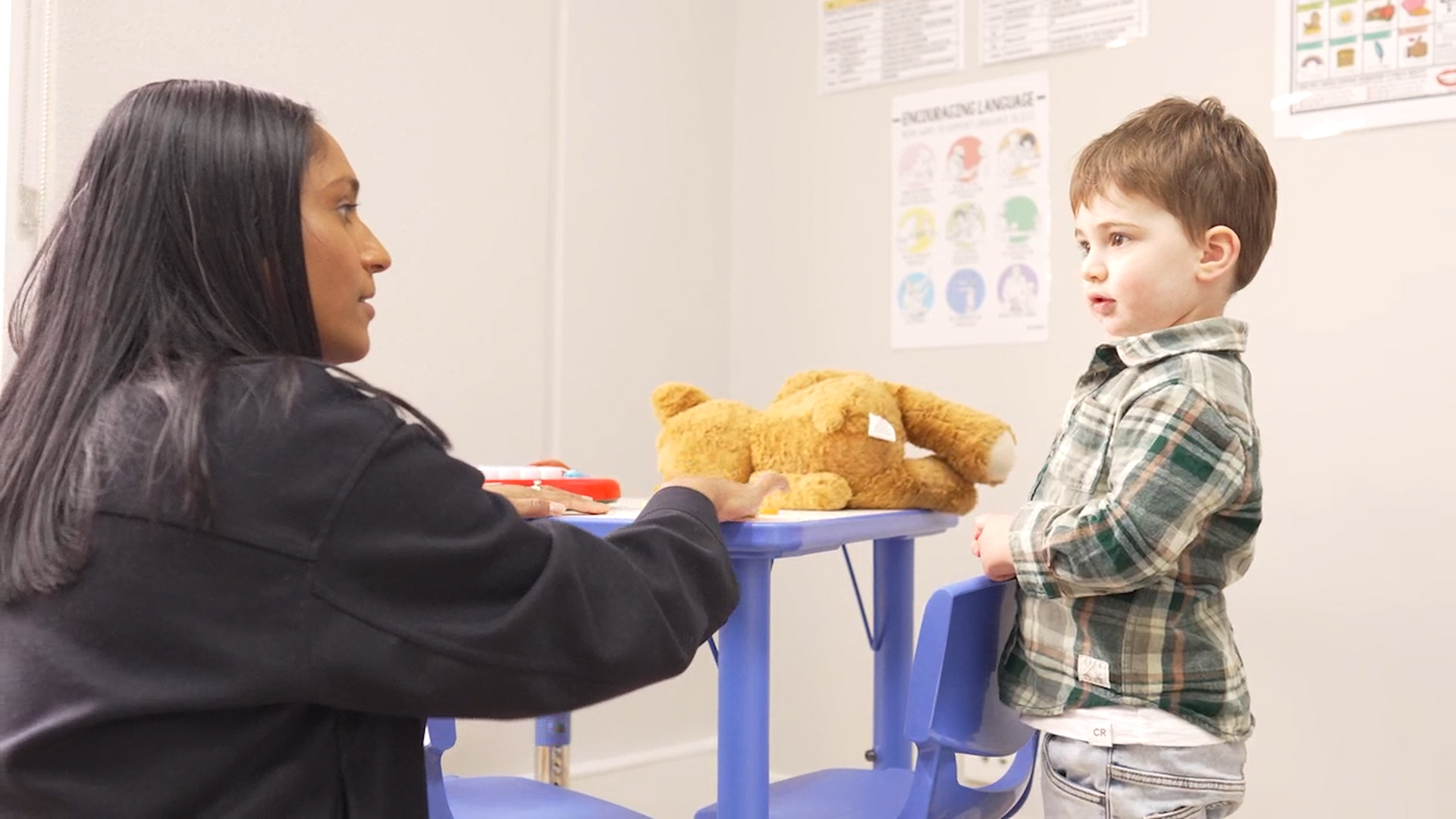
An AAC assessment looks at how a person communicates now and what they want to be able to say. At Activate, it usually includes:
- Getting to know you: we talk with the person, their family and support team about communication at home, school, work and in the community.
- Looking at skills: we look at language, understanding, vision, hearing, fine motor skills and how the person can best use a system (for example, by touch, eye gaze or switches).
- Trialling options: we try different AAC systems to see what works best in everyday situations. For high-tech devices, this often includes a trial over several weeks.
- Recommendations: we put together a written report with our recommendations, including any device or app we suggest.
Can the NDIS fund AAC?
Yes. The NDIS can fund AAC as assistive technology when it relates to a participant's disability and helps them work towards their goals. Lower-cost items can often be bought with existing plan funding. Higher-cost devices usually need a written assessment and recommendation from a Speech Pathologist before the NDIA will approve them.
Speech Pathology sessions to assess, set up and teach AAC are usually funded under Capacity Building: Improved Daily Living.
Getting the most out of AAC
A device on its own isn't enough. The best results come when the people around the AAC user learn how to use it too. Our Speech Pathologists work with families, teachers and support workers so AAC is modelled and used throughout the day, not just in therapy sessions.
Book an AAC assessment
We currently have no waitlist for NDIS Speech Pathology. We see participants at our Balwyn North clinic, at home, and at school or kinder across Melbourne's east. Call (03) 8849 9795 or make a referral through our NDIS Referrals page.