Osteopenia vs Osteoporosis: What's the Difference?
How the two conditions differ, whether osteopenia turns into osteoporosis, and how to exercise for each.
Osteopenia and osteoporosis both describe bone density that is lower than it should be. They sit on the same spectrum, and the good news is that exercise helps at both stages.
What is osteopenia?
Osteopenia means your bones are less dense than normal, but not yet in the osteoporosis range. On a DEXA scan, it's a T-score between -1.0 and -2.5. It's common, especially after menopause, and many people don't know they have it until they have a scan.
What is osteoporosis?
Osteoporosis is diagnosed when your T-score is -2.5 or lower, or when you've had a minimal trauma fracture, such as breaking a bone after falling from standing height. With osteoporosis, bones are more fragile and more likely to break.
Does osteopenia always turn into osteoporosis?
Not necessarily. Bone loss happens at different rates for different people. Age, hormones, medications, nutrition, activity levels and genetics all play a part. Taking action early, including regular strength training, is one of the best ways to slow bone loss.
How should you exercise?
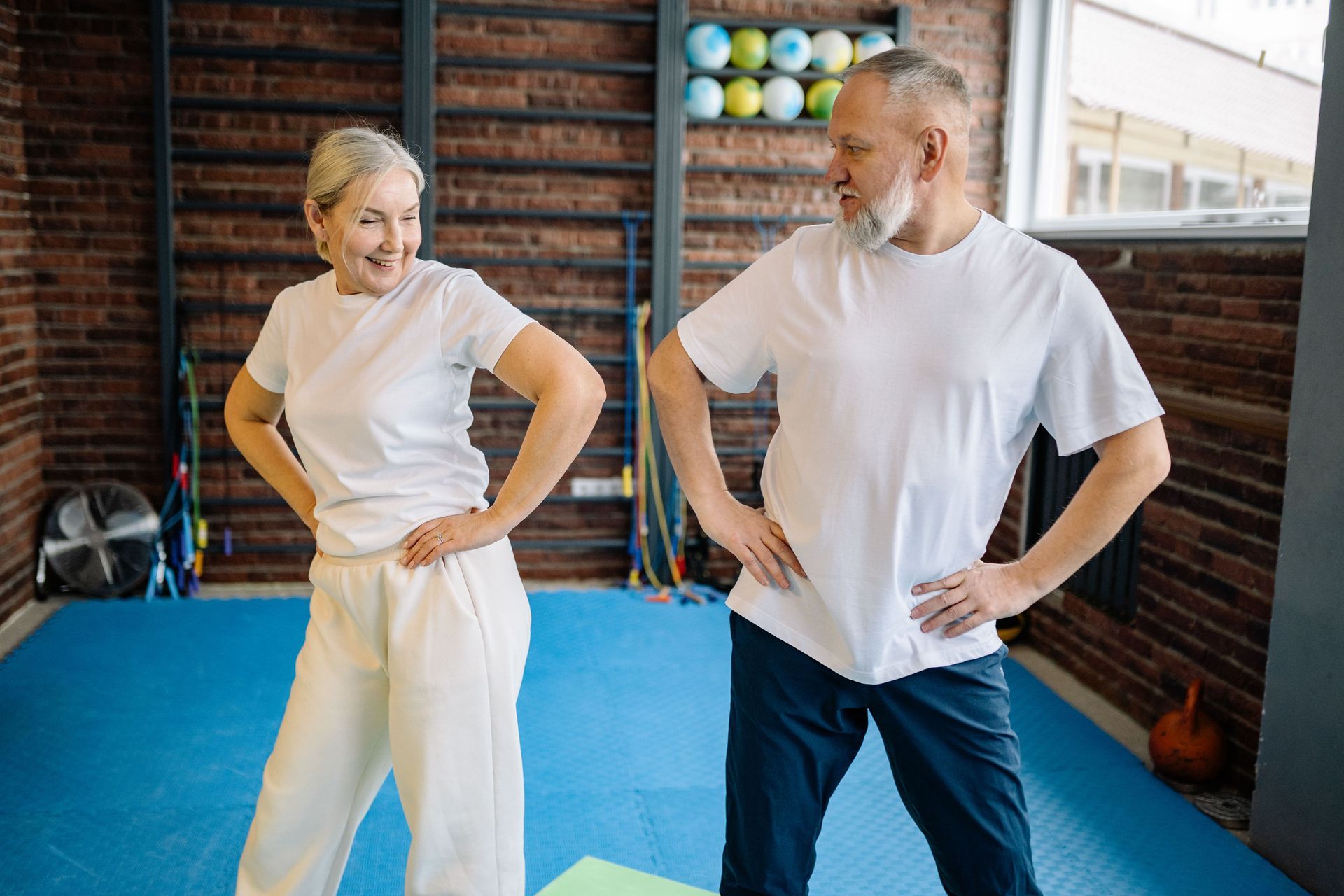
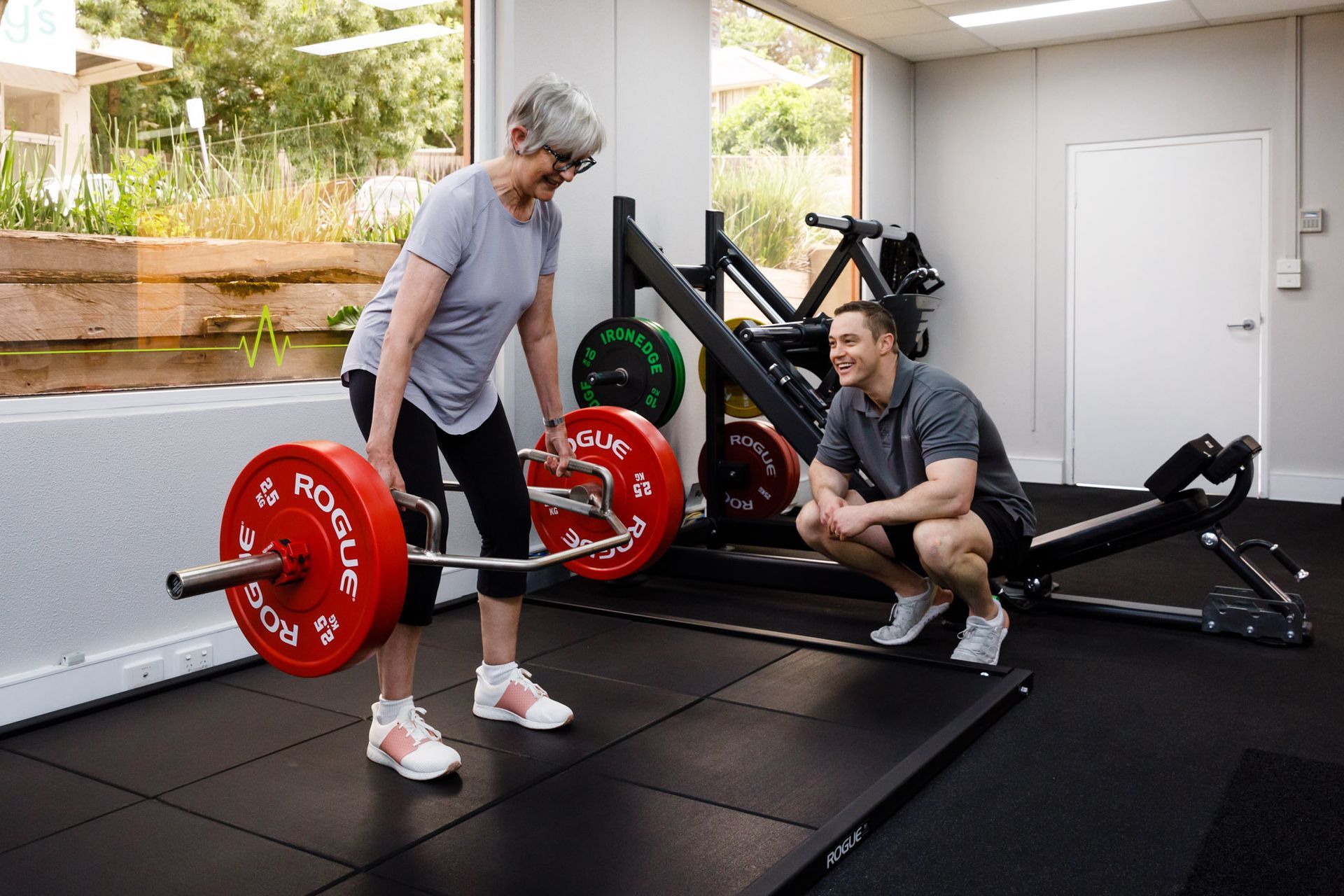
The principles are the same for both: put the right amount of load through your bones and build the strength and balance that prevent falls. That means:
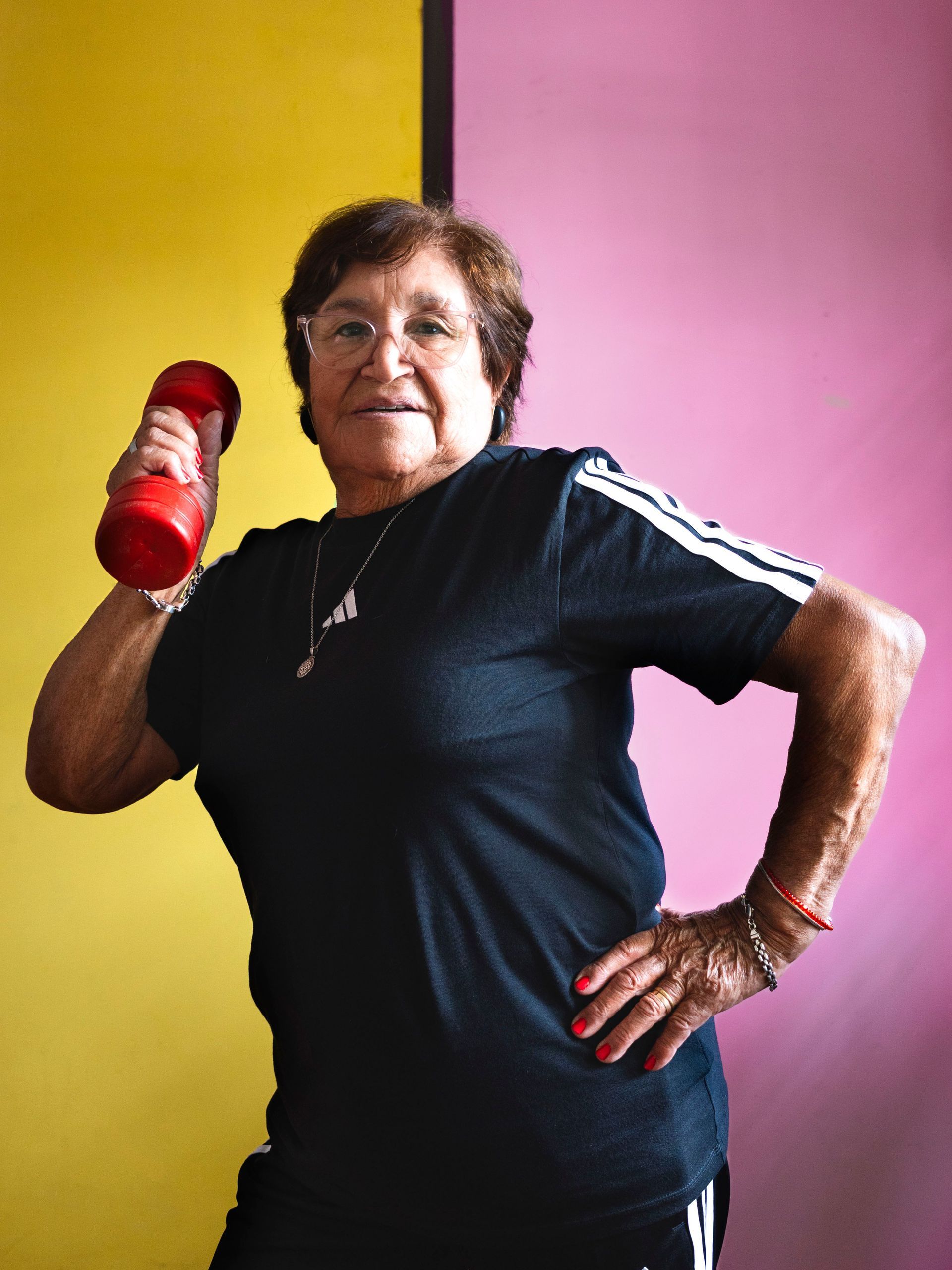
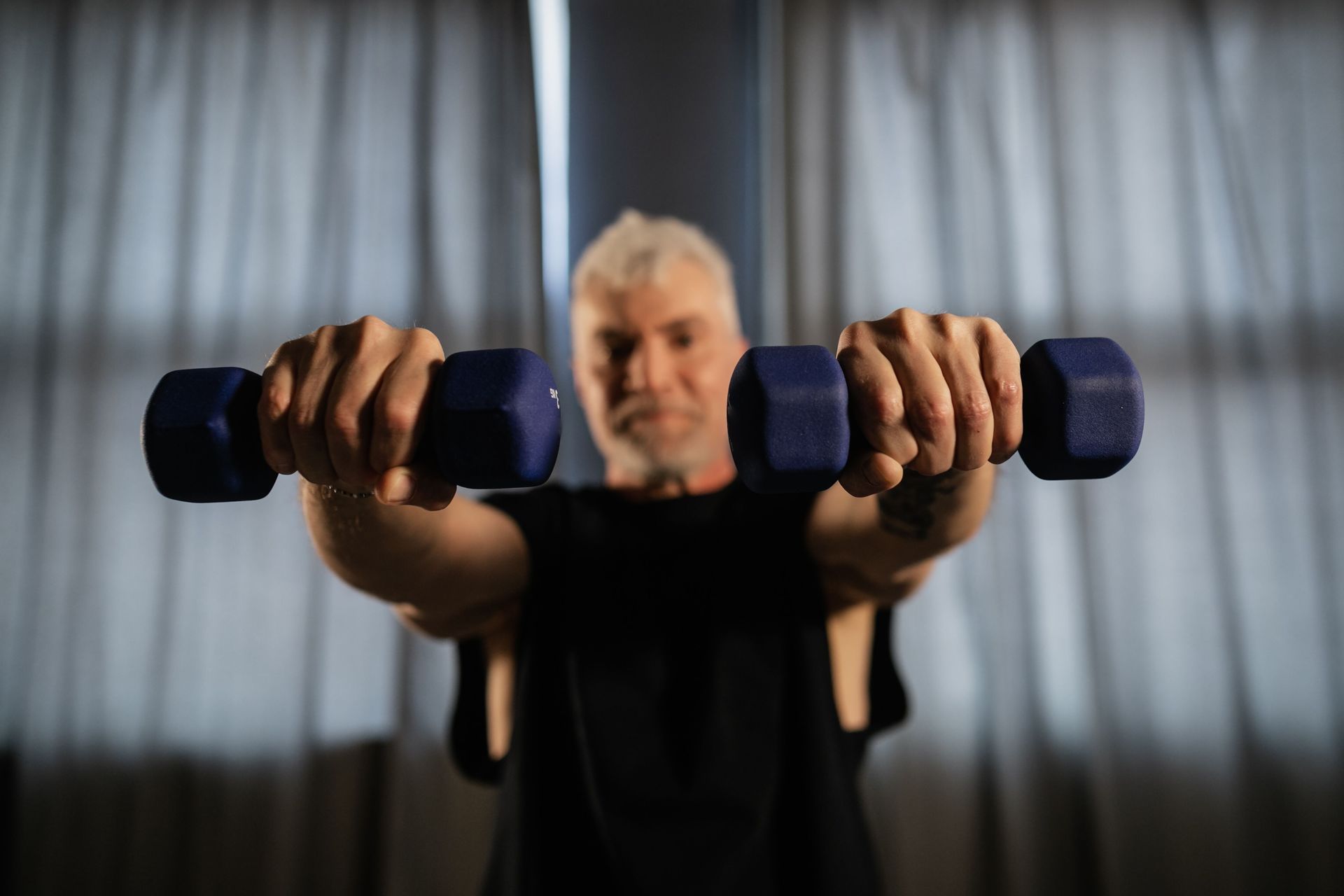
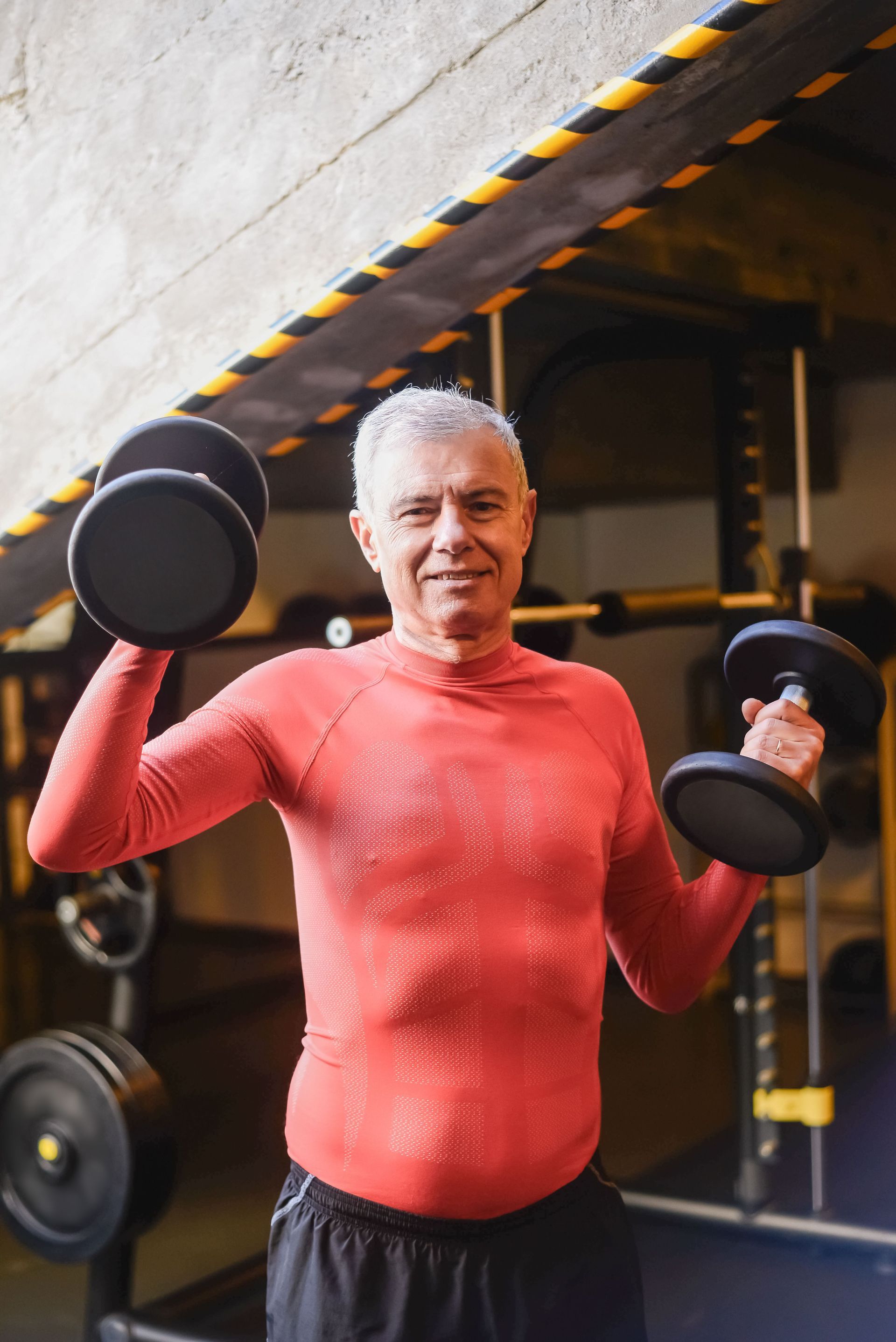
- Progressive resistance training such as squats, deadlifts, lunges and presses
- Impact training such as hops and jumps, when appropriate
- Balance training to reduce your risk of falling
The main difference is how we start and how quickly we progress:
- With osteopenia, many people can build up strength and impact training relatively quickly once their technique is good.
- With osteoporosis, we start with a thorough assessment of your fracture risk, any previous fractures and your confidence, then progress the loading carefully. Heavier lifting can still be part of the plan, under supervision.
Other things that help your bones
Exercise works best alongside the other basics: enough calcium and vitamin D as advised by your doctor, not smoking, keeping alcohol low, and taking any bone medication your doctor prescribes.
Get started
Whether your scan showed osteopenia or osteoporosis, our Accredited Exercise Physiologists can build a program that suits you. Find out more about our osteoporosis exercise physiology service in Balwyn North, or call (03) 8849 9795.
This article is general information only and isn't a substitute for advice from your doctor or health professional.