Edition 13- The Activate Edge
The inside word on movement, communication, and better living. Stay up to date with the latest in exercise physiology, speech pathology, occupational therapy and health science.
Edition 13 – November 2026
Welcome to the thirteenth edition of the Activate Edge!
The team at Activate HQ is always excited to connect with our community. In each edition, we’ll take you behind the scenes of the world of allied health.
This month check out:
- Our feature blog on sarcopenia
- What’s On – 2026 Christmas Party and Fundraiser
- A Client Spotlight with Jason
- Get to know our very own Elara
Sarcopenia: Why Muscle Matters More As We Age
Ever noticed that getting up from a low chair, carrying the shopping or climbing stairs feels harder than it used to? It’s easy to put it down to “just getting older”, but often there’s something more specific going on. It’s called sarcopenia, and the good news is that it’s something we can do a lot about.
In this article, we explain what sarcopenia is, why it happens, how it’s picked up, and the simple, evidence-based steps you can take to protect your strength for years to come.
What is sarcopenia?
Sarcopenia is the age-related loss of muscle mass, strength and function. It mostly affects older adults, and over time it can lead to frailty, reduced physical function and a higher risk of falls and fractures.
It happens gradually. After about age 50, muscle mass drops by around 1–2% each year. That might not sound like much, but without intervention it adds up and it can have a real impact on overall health, independence and quality of life.
What causes it?
There’s rarely a single cause. Sarcopenia usually comes from a mix of factors working together:
- Getting older. As we age, our bodies don’t build muscle as efficiently, and the muscle fibres themselves can shrink.
- Not moving enough. Long periods of sitting or inactivity cause muscles to weaken and waste, and skipping exercise speeds the process up.
- Hormonal changes. Levels of key hormones such as testosterone, growth hormone and oestrogen fall with age, which contributes to muscle loss.
- Chronic illness. Conditions like diabetes, heart disease and long-term inflammation can make muscle loss worse.
- Poor diet. Without enough protein and overall energy, muscles miss out on the building blocks they need to stay healthy.
- Nerve changes. When the nerves that control our muscles don’t work as well, muscles become harder to use and can waste away.
The encouraging part? Two of the biggest drivers, activity and nutrition, are well within our control.
How is sarcopenia diagnosed?
There’s no single test. Health professionals usually combine a clinical assessment with a few simple measurements:
- Physical examination. Your clinician looks at muscle strength, function and the way you walk. Difficulty with everyday tasks, like standing up from a chair, can be an early sign.
- Muscle mass measurement. Tools such as DEXA (dual-energy X-ray absorptiometry) scans or bioelectrical impedance analysis (BIA) estimate how much muscle you have.
- Strength testing. Handgrip strength and chair stand tests are quick, reliable ways to check muscle strength.
If you’ve noticed you’re getting weaker or slower, it’s worth raising with your GP or an exercise physiologist. The earlier it’s picked up, the easier it is to turn around.
What can you do about it?
Lifestyle plays a major role in both preventing sarcopenia and slowing its progress. The two most powerful tools are exercise and nutrition.
Resistance training: the number one strategy
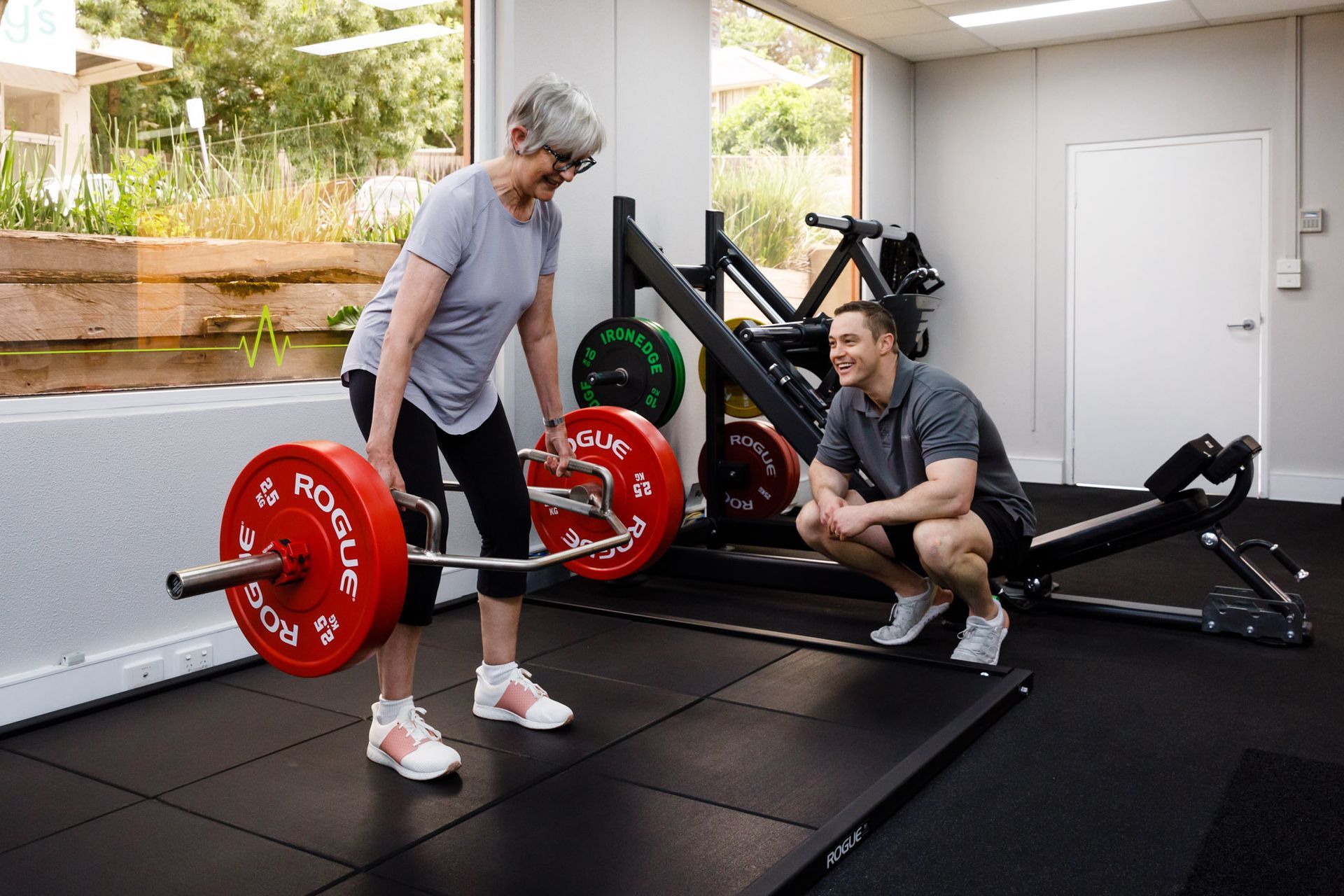
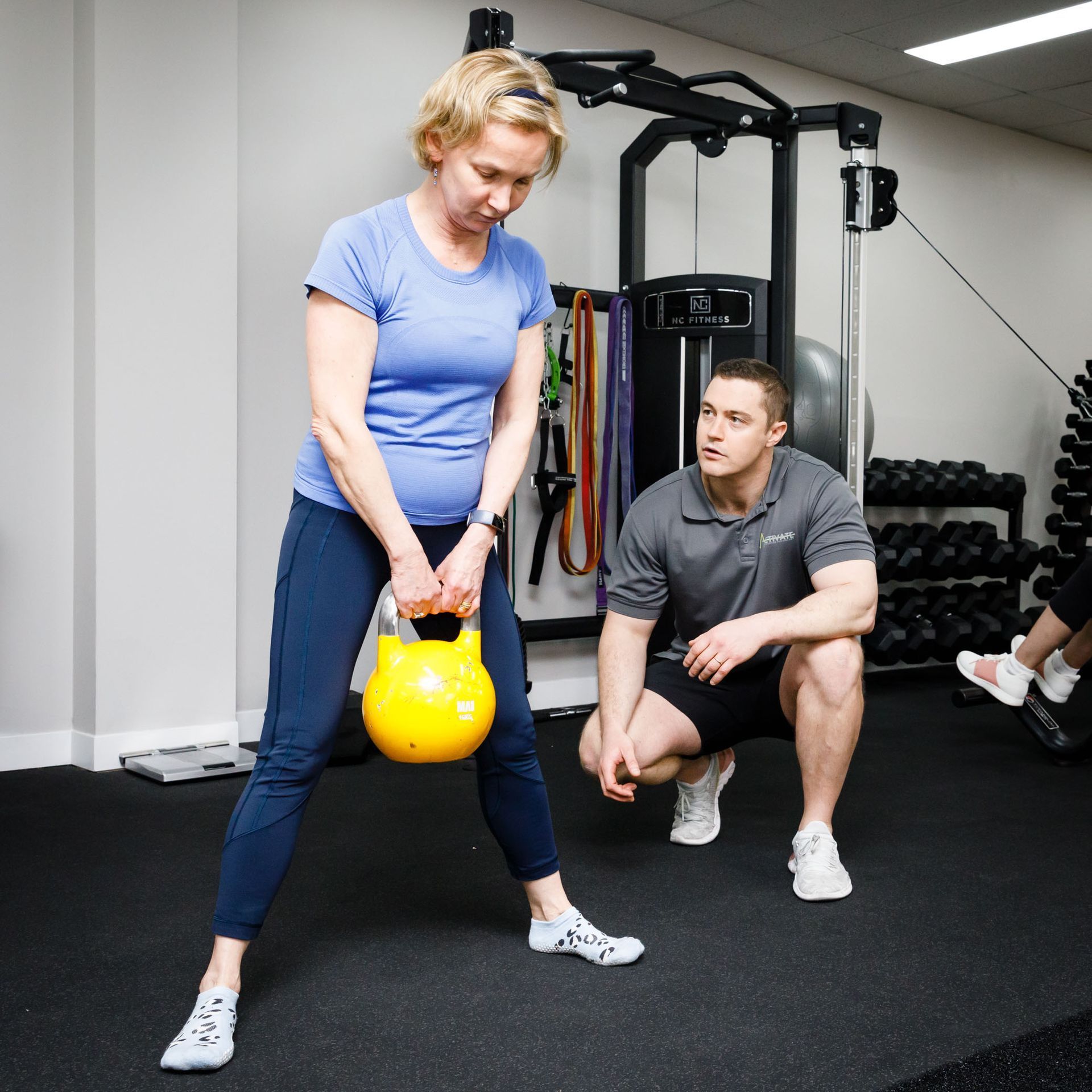
Resistance (strength) training is the most effective exercise for preventing and treating sarcopenia. Because muscle loss affects the whole body, a whole-body program works best, targeting all the major muscle groups.
For the best results:
- Train 2–3 times per week
- Aim for 8–12 repetitions per set
- Gradually increase the weight or resistance so your muscles keep being challenged
It really is a case of “use it or lose it” – consistency matters more than intensity.
Aerobic exercise: support for the whole system
Walking, cycling and swimming are great for your heart, and they also help maintain mobility and everyday fitness. Aim for 150 minutes of moderate-intensity or 75 minutes of vigorous-intensity aerobic exercise each week, alongside your strength work.
Nutrition: fuel for your muscles
Muscles need protein to repair and grow. Older adults should aim for 1.0–1.2 grams of protein per kilogram of body weight per day. For someone weighing 70 kg, that’s roughly 70–84 grams a day, ideally spread across meals.
Already training with us?
If you’re already doing a strength program with our EP team, you’re well ahead of the game. Chances are we’re already addressing many of the factors in this article: building muscle across your whole body, progressing your loads, and checking in on things like your activity levels and nutrition.
So think of this as a good reminder of why we keep nudging you to lift a little heavier, squeeze out one more rep or add an extra set. That gradual progression is exactly what keeps your muscles challenged and growing, and it’s one of the best ways to protect your strength, balance and independence as you age. Keep showing up, keep pushing, and keep asking us questions along the way.
New to strength training?
If you’re new to strength training, or haven’t done it in a while, it’s normal to feel unsure where to begin. That’s exactly where an exercise physiologist can help. Our EP team can assess your current strength and mobility, then build a program tailored to your goals, health conditions and confidence level, progressing it safely as you get stronger.
It’s never too late to start. Muscle responds to training at any age, and every session is an investment in your independence.
Ready to get started, or know someone who could benefit? Book an appointment with our Exercise Physiology team at Activate Allied Health, 1/131 Bulleen Road, Balwyn North. Call us on 03 8849 9795 or visit activatealliedhealth.com.au.
References
- Cruz-Jentoft AJ, Baeyens JP, Bauer JM, et al. Sarcopenia: European consensus on definition and diagnosis: Report of the European Working Group on Sarcopenia in Older People. Age Ageing. 2010;39(4):412–423. doi:10.1093/ageing/afq034
- Doherty TJ. The influence of aging and gender on skeletal muscle mass and strength. Current Opinion in Clinical Nutrition and Metabolic Care. 2001;4(6):503–508. doi:10.1097/00075197-200111000-00003
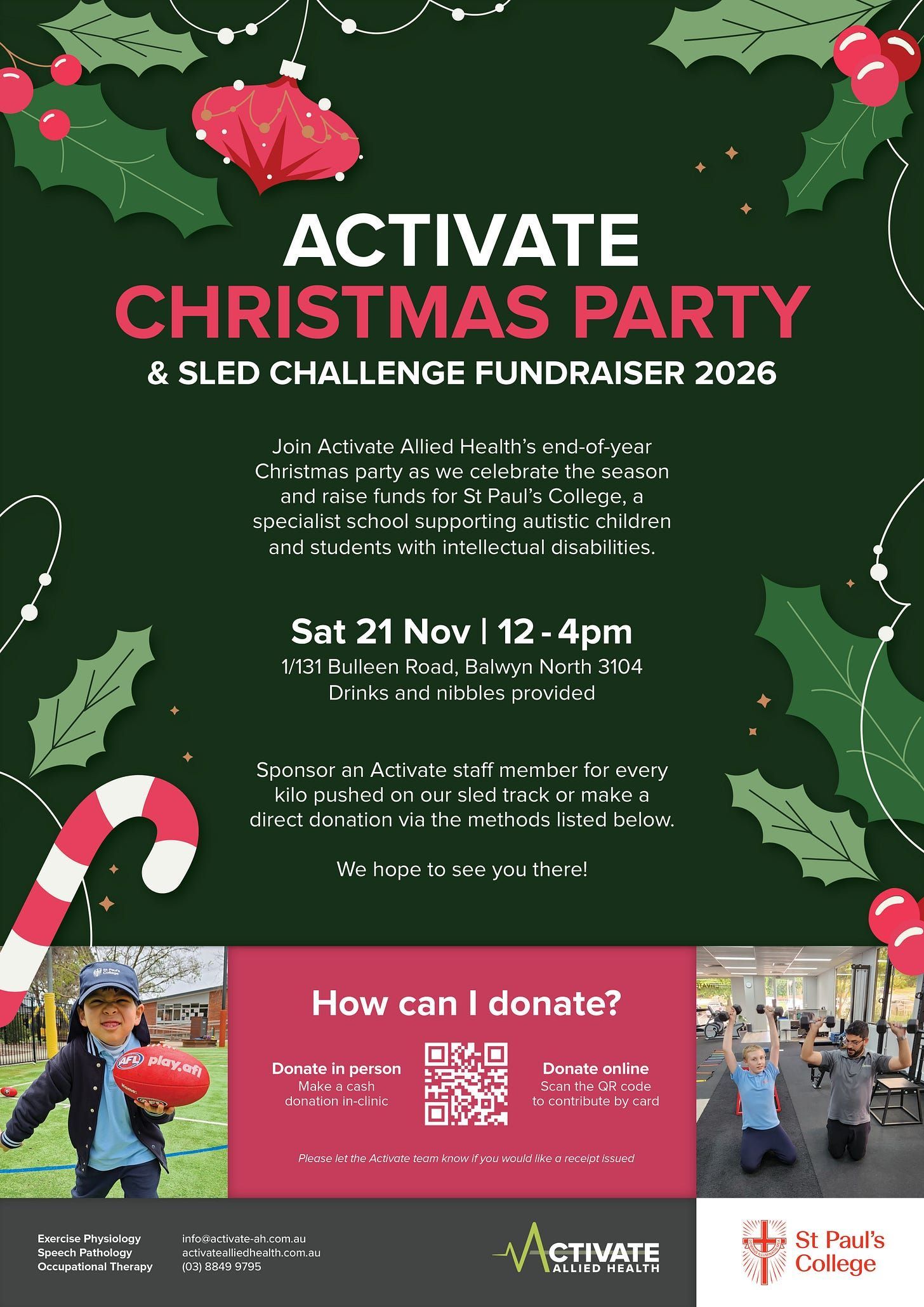
Join Us for Our 2026 Christmas Party & Fundraiser
As another year draws to a close, we’d love you to join us for our 2026 Christmas Party & Sled Challenge Fundraiser.
- When: Saturday 21 November, 12–4pm
- Where: Activate Allied Health, 1/131 Bulleen Road, Balwyn North
- What: Sled challenge fundraiser, then drinks, nibbles and celebrations
Our annual fundraiser has become one of the highlights of the Activate year. It’s a chance to bring our community together, celebrate everything you’ve achieved, and give back to an organisation doing important work. Improving quality of life is at the heart of what we do, so we’re especially proud to support a cause that shares that vision.
This year we’re supporting St Paul’s College
St Paul’s College is a small specialist school right here in Balwyn North. It supports around 60 students from Prep to Year 12 with autism and intellectual disabilities.
Through individualised learning and integrated allied health support, St Paul’s gives its students an inclusive place to build communication, independence, confidence and life skills. The funds we raise will help the school buy new resources and equipment to better support its students.
Sponsor our team on the sled
Here’s where you come in. You can sponsor an Activate staff member for every kilo they push on our sled track. It’s all for a good cause, so feel free to put some friendly pressure on your favourite EP, Speech Pathologist or OT.
How to donate
You can contribute in any of these ways:
- In person: make a cash donation at the clinic
- Online: scan the QR code on the event poster at the clinic to donate by card
- Directly: click the “Donate to St Paul’s College” link below. On the donation page, scroll down the drop-down list and select St Paul’s College.
Receipts are available for all donations. Just let the Activate team know if you’d like one.
What to expect on the day
The sled challenge will run for the first hour. After that, we’ll kick back and celebrate the year, including all the health and wellbeing wins our community has achieved. Drinks and nibbles are on us.
Whether you come to cheer, push, donate or just say hello, we’d love to see you there. Thank you in advance for your generosity, and from all of us at Activate, Merry Christmas!
Client Spotlight
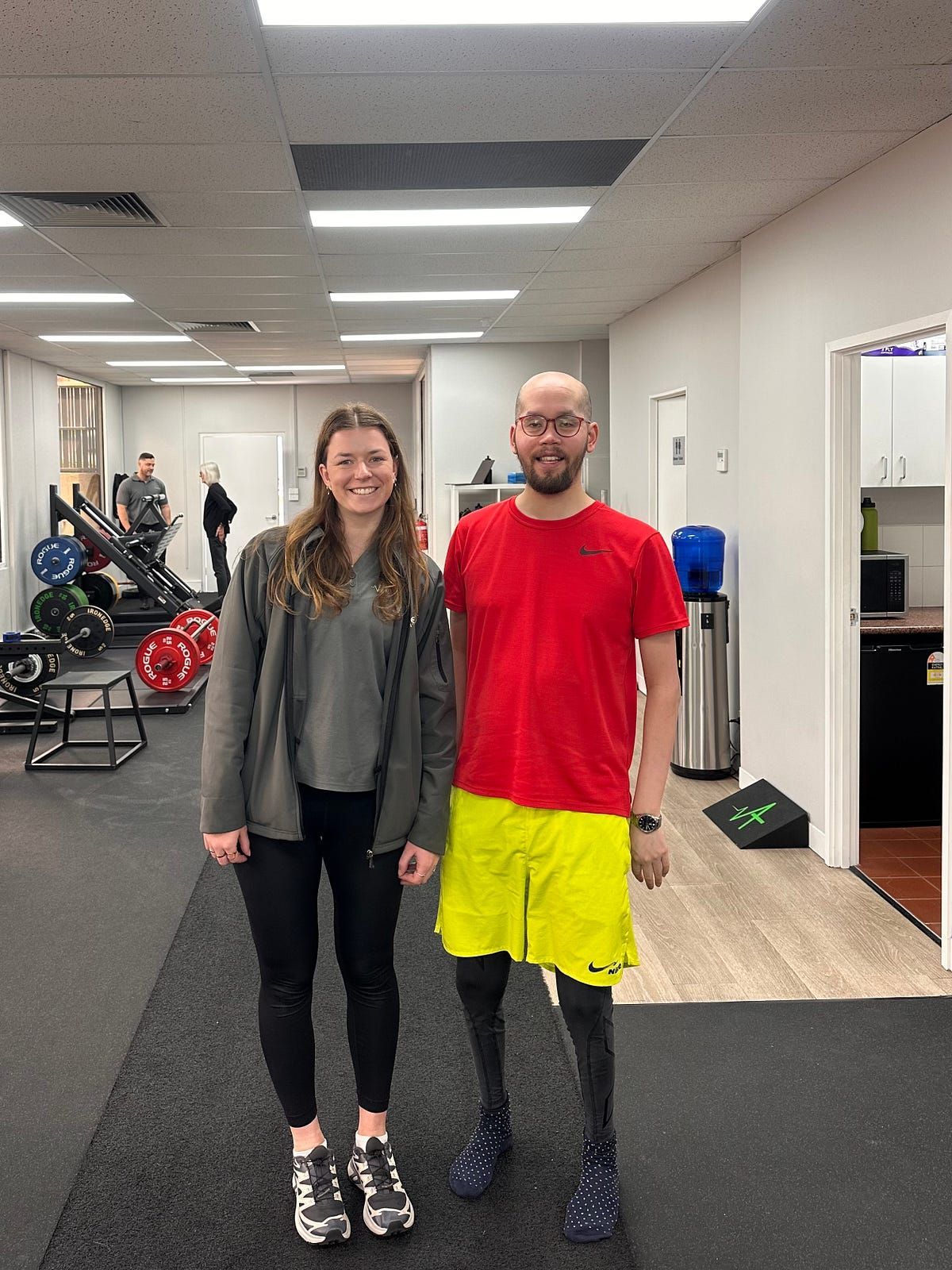
A huge shout-out to one of our amazing Activate clients, Jason!
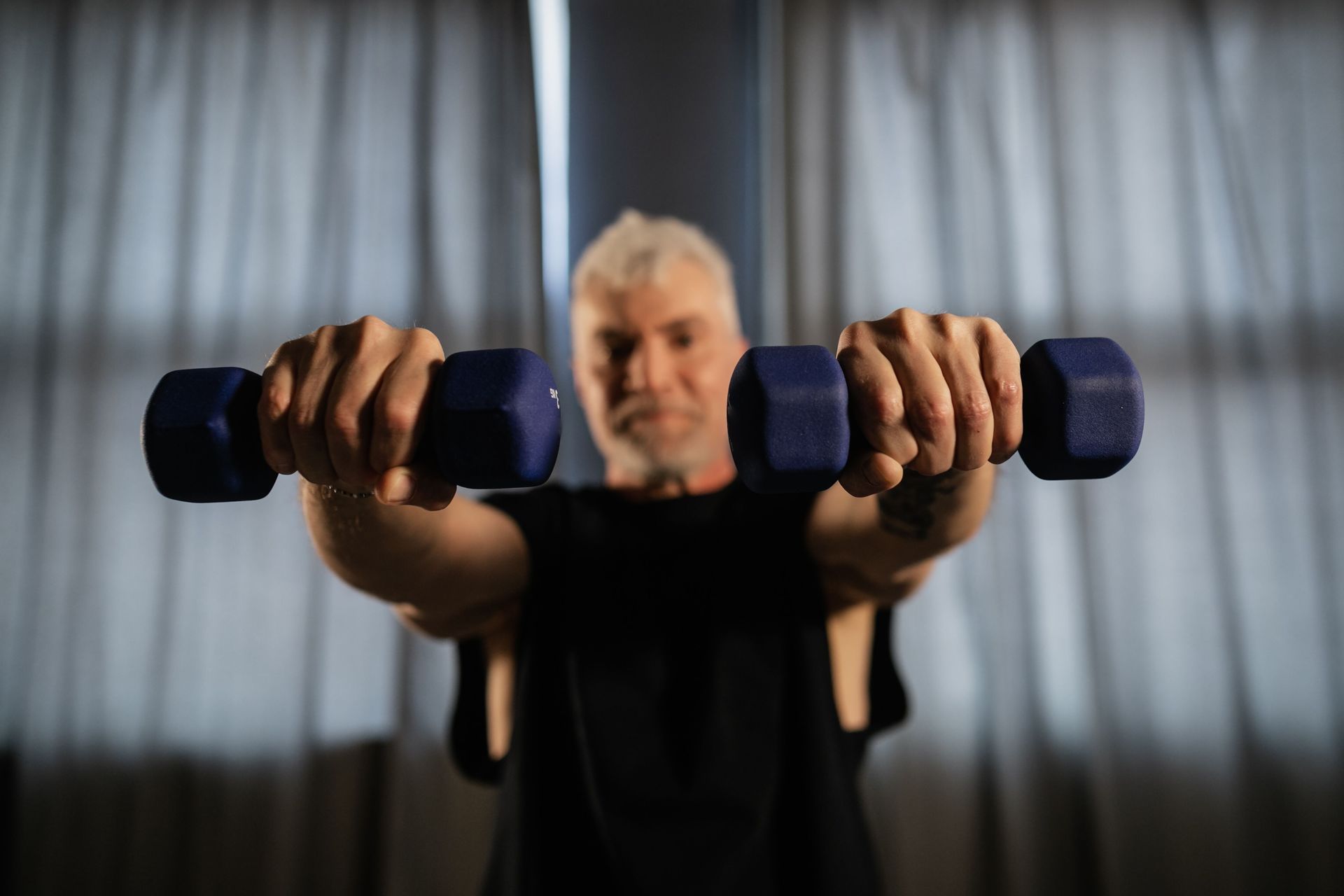
Jason started his journey with Activate in November 2025, and since then he has shown fantastic consistency and commitment, coming in for exercise physiology sessions twice a week.
Jason lives with myotonic dystrophy, an inherited condition and the most common form of muscular dystrophy in adults. It causes muscles to gradually weaken and waste over time, and can also cause myotonia, where muscles are slow to relax after use (for example, finding it hard to let go after a handshake). It can affect other parts of the body too, such as the heart, lungs and eyes. Regular, well-supervised exercise can play an important role in keeping muscles as strong and functional as possible.
His sessions are built around his NDIS goals: maintaining the muscle mass and strength in his upper and lower limbs, and improving his overall health, mobility and physical capacity so he can continue working and living independently.
Jason’s motivation and hard work have paid off with excellent progress. He’s always up for a challenge, whether that’s moving on to more complex exercises or lifting heavier loads. Some standout achievements so far:
- An impressive 400% increase in his bench press load
- A 240% increase in his single-leg extension load
Beyond the gym floor, Jason is a valued member of the Activate community. He’s always happy to share his experiences, help others learn about myotonic dystrophy, and have a friendly chat with whoever is around the clinic.
We’re incredibly proud of Jason’s progress and the commitment he brings to every session. Well done, Jason! We can’t wait to keep supporting you as you work towards your goals, and to see what you achieve next.
Did you know?
Swallowing might feel automatic, but every mouthful goes through three phases: chewing in the mouth (oral), protecting the airway in the throat (pharyngeal), and moving food down to the stomach (oesophageal). Difficulty at any of these stages is called dysphagia.
Dysphagia can affect people of all ages, including after a stroke, with Parkinson’s or dementia, with developmental conditions like cerebral palsy, after head and neck cancer, or simply with ageing. It can lead to chest infections, poor nutrition and hydration, trouble taking medications, and pulling back from social meals.
Signs to watch for include coughing, throat clearing or a “wet” voice during or after eating and drinking.
Our Speech Pathologists can assess swallowing and create a Mealtime Management Plan. The plan covers recommended food and drink textures (using the colour-coded IDDSI levels), positioning, pacing and equipment, so mealtimes are safe and enjoyable.
By Samantha Koutsoukos, Speech Pathologist
Get to know…Elara!
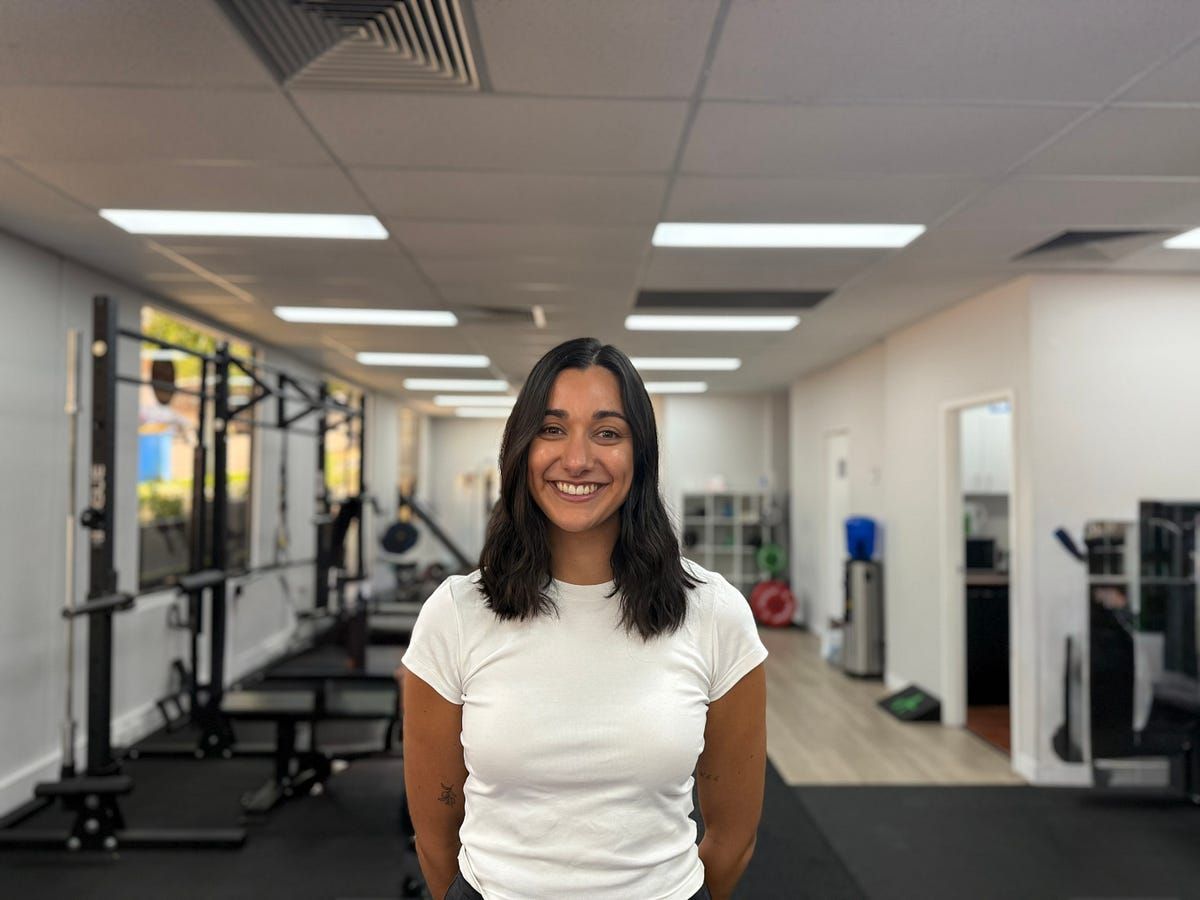
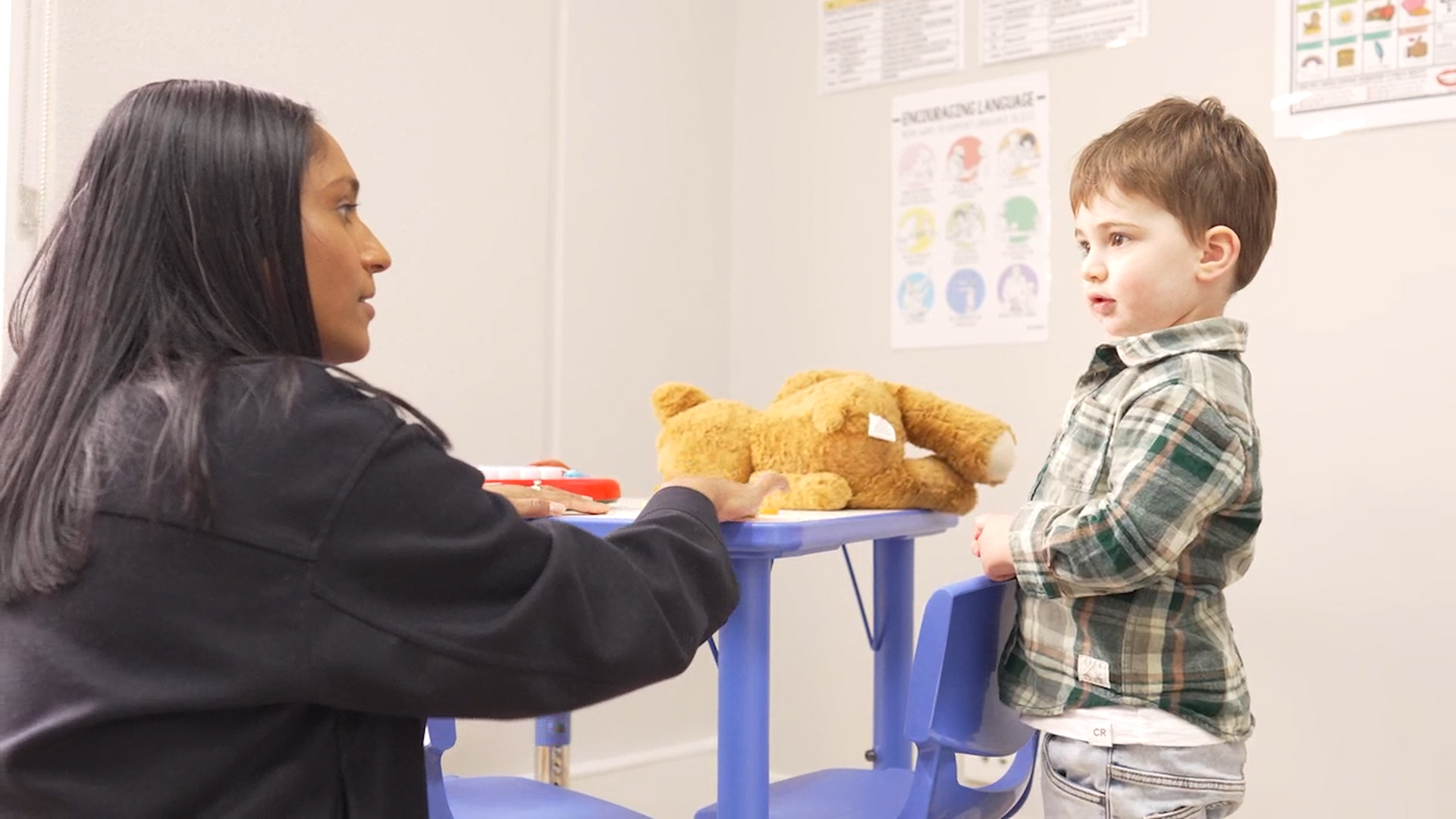
Elara completed her Master of Speech Pathology at La Trobe University in 2022. Elara believes in a neurodiversity-affirming approach and supporting her clients to communicate what they want and how they want.
Elara has worked in the disability sector for the past three years and has also experienced a range of clinical settings, including mainstream and specialist schools, rehabilitation hospitals and a special care nursery. Elara’s areas of clinical interest include working with children and adolescents with speech, language and literacy difficulties and adults with swallowing difficulties. Elara also has a special interest in augmentative and alternative communication (AAC).
Elara is passionate about advocating for her clients’ needs and creating a safe and supportive environment where they can achieve their communication goals.
Things you might not know about Elara!
- Elara’s all-time favourite TV show is Game of Thrones, and she’s currently watching MobLand
- Elara’s favourite food is Japanese or anything with seafood
- Elara loves being by the beach, trying new restaurants with friends or cooking.
The Knowledge Hub
5 min guide to what we are learning about this month (click below to see the post):
click here → Bone Health: Why Your DEXA Score Isn't the Whole Story