Had a DEXA Scan? What Your Results Mean for Exercise
What your T-score means, which exercise helps your bones most, and how to get started safely.
A DEXA scan measures your bone mineral density, usually at the hip and lower spine. If your results came back lower than expected, it's natural to worry about what's safe. The good news is that the right exercise is one of the most effective things you can do for your bones. A low score is a reason to start, not a reason to stop.
Understanding your T-score
Your DEXA report will usually include a T-score, which compares your bone density with that of a healthy young adult:
- -1.0 or above: normal bone density
- Between -1.0 and -2.5: osteopenia (lower than normal bone density)
- -2.5 or below: osteoporosis
Your doctor will also look at other factors, such as your age, previous fractures, medications and family history, to work out your overall fracture risk. That's why two people with the same T-score can be given different advice.
Why exercise matters after a DEXA scan
Bone responds to load. When your muscles pull on your bones and your body absorbs impact, bone cells are stimulated to maintain and build bone. Exercise also builds the strength and balance that help prevent falls, which is how most osteoporotic fractures happen.
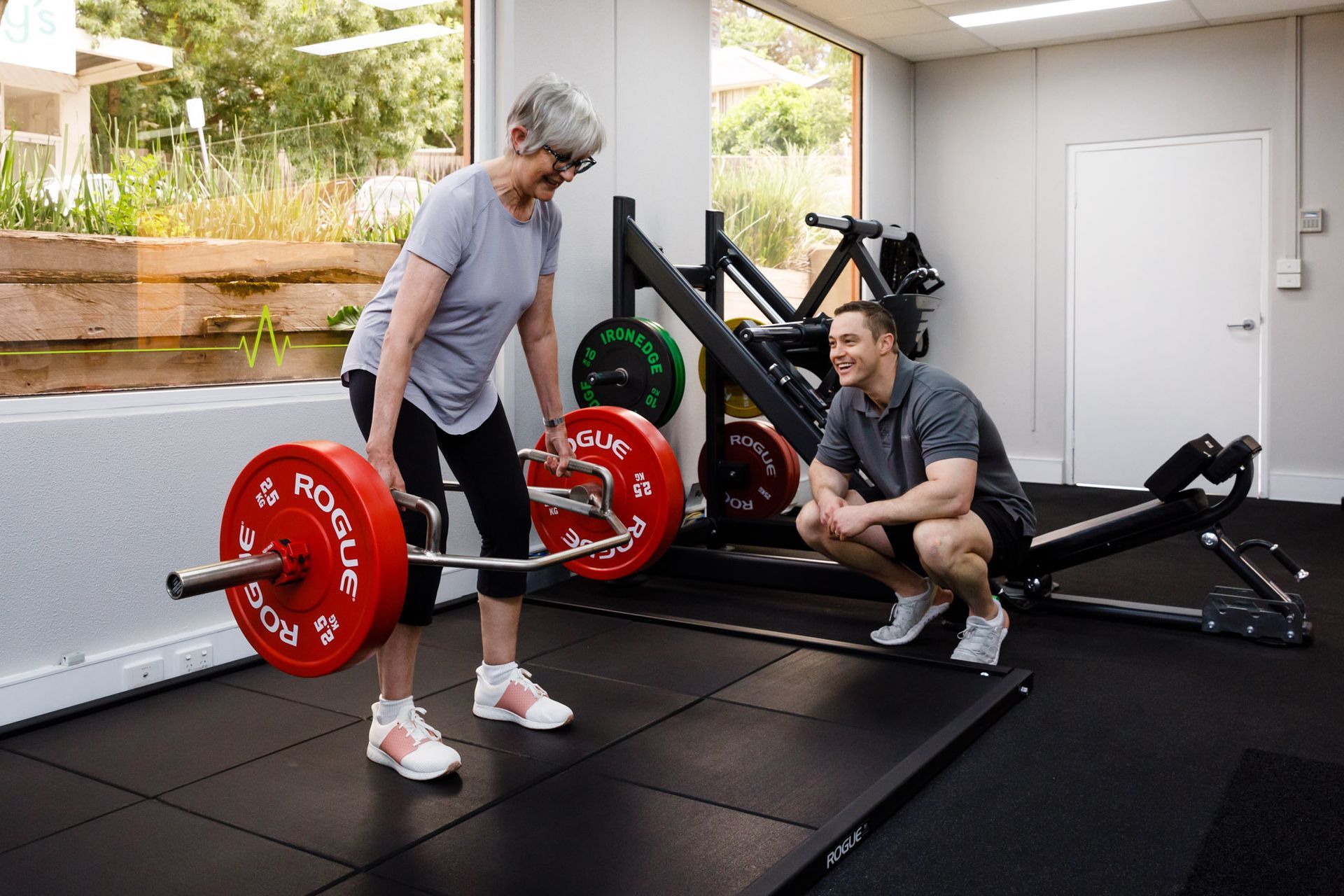
Research such as the LIFTMOR trial has shown that supervised, progressive strength and impact training can improve bone density and physical function in people with low bone density. Newer research shows moderate-intensity strength training can also help, so you can start where you are and build from there.
What kind of exercise helps most?
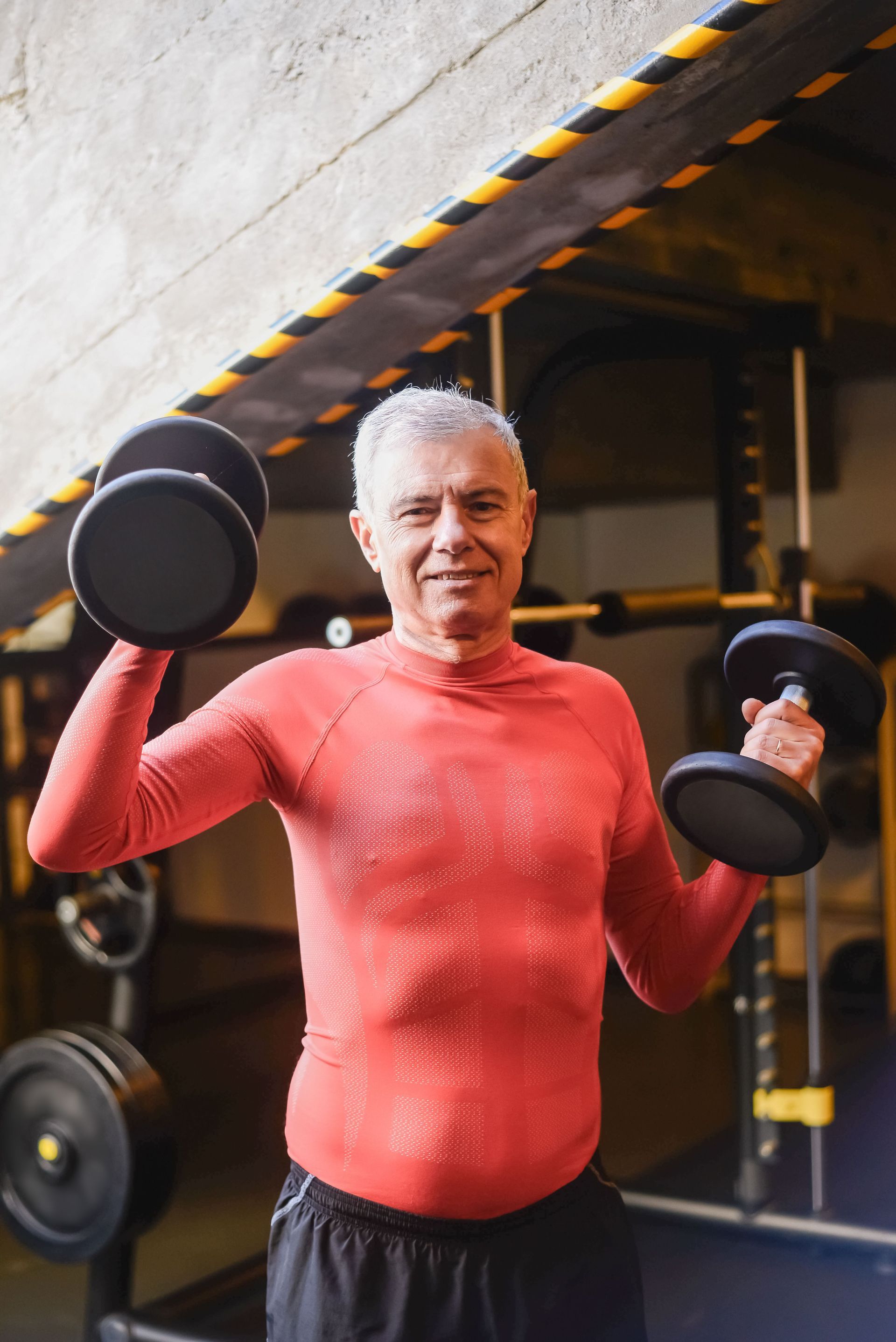
- Progressive resistance training: exercises like squats, deadlifts, lunges and presses, with the load gradually increased over time.
- Impact training: carefully progressed jumps, hops or heel drops, when they suit your fracture risk.
- Balance training: exercises that challenge your balance and reactions to reduce your risk of falls.
Walking and swimming are great for your overall health, but on their own they don't load bone enough to make a big difference to bone density.
Where to start
- Talk to your GP about your results and any medication they recommend. Exercise works alongside medication, not instead of it.
- Book an assessment with an Accredited Exercise Physiologist. We'll review your DEXA results, medical history and any previous fractures, and test your strength and balance.
- Start a supervised program that progresses safely. Most people train two to three times a week.
- Repeat your DEXA scan when your doctor recommends it to track your progress.
How we can help
At Activate Allied Health, our Accredited Exercise Physiologists run supervised osteoporosis exercise programs at our Balwyn North clinic. You don't need a referral, and private health rebates may apply. Learn more about our osteoporosis exercise physiology service, or call (03) 8849 9795 to book.
This article is general information only and isn't a substitute for advice from your doctor or health professional.