Osteoporosis and Falls: Why Balance Training Matters
Why preventing falls matters as much as building bone, and the balance exercises that help.
Most fractures in people with osteoporosis happen after a fall. Building bone density takes time, but improving your strength and balance can lower your risk of falling much sooner.
Why falls matter with osteoporosis
When bones are fragile, a simple fall can lead to a broken wrist, hip or spine. Hip fractures in particular can have a big impact on independence. That's why preventing falls is just as important as building bone.
What increases your risk of falling?
- Weak leg muscles
- Poor balance and slower reactions
- Some medications, especially those that cause dizziness
- Changes in vision
- Trip hazards at home
- Fear of falling, which often leads people to do less and get weaker
Exercises that help
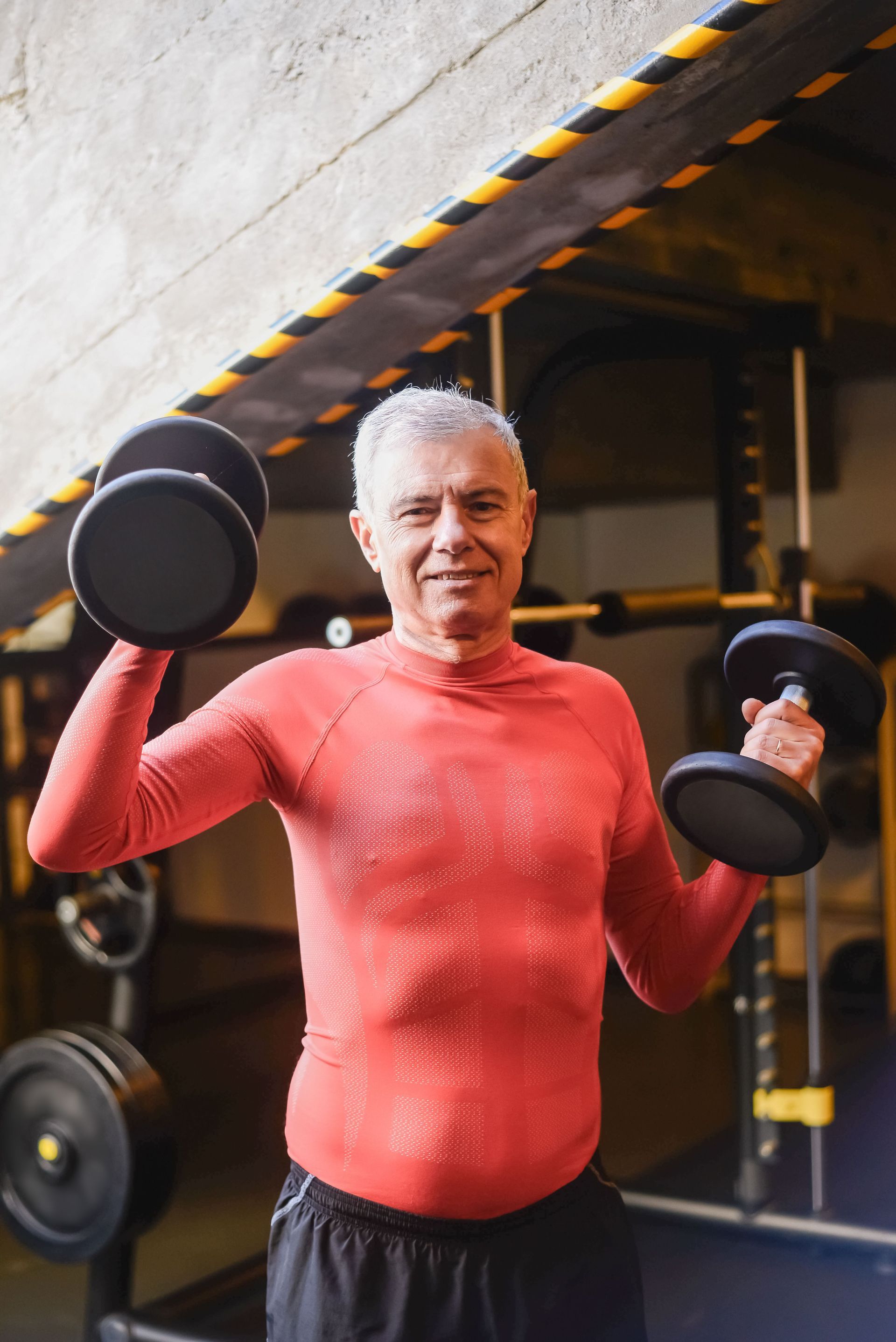
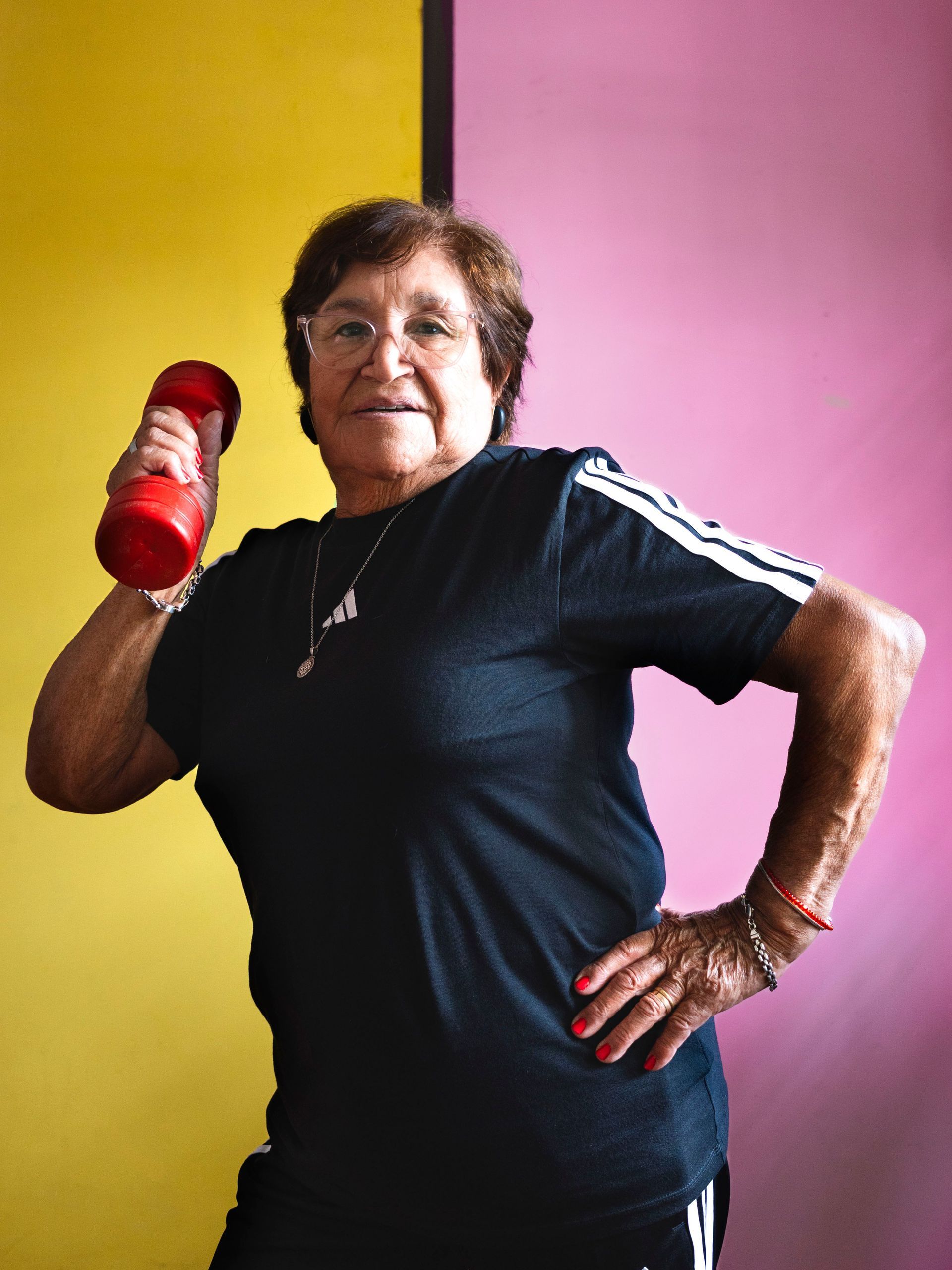
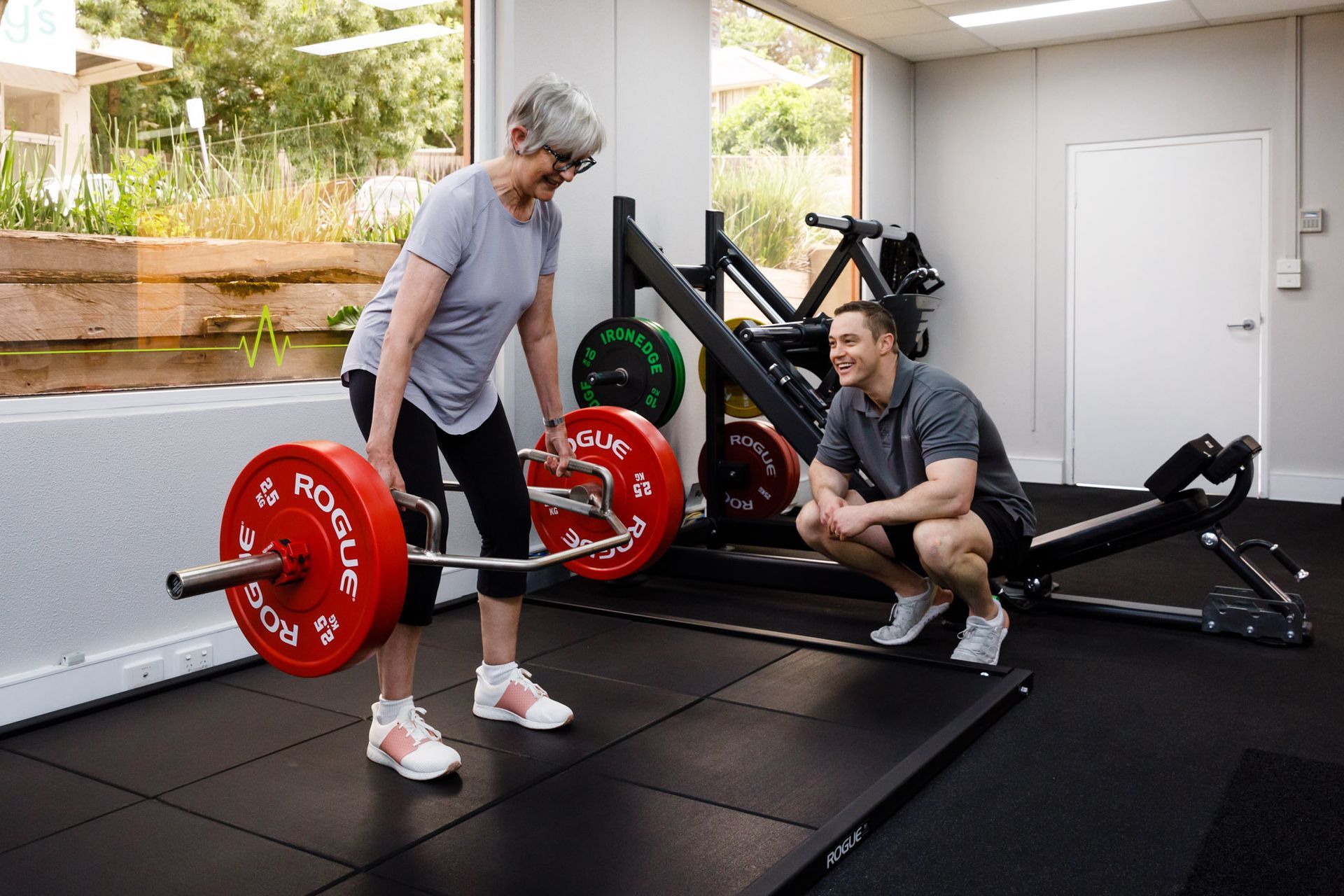
- Leg strength: sit-to-stands, step-ups and squats build the muscles that keep you steady.
- Static balance: standing with your feet together, in a heel-to-toe stance or on one leg, with a bench nearby for support.
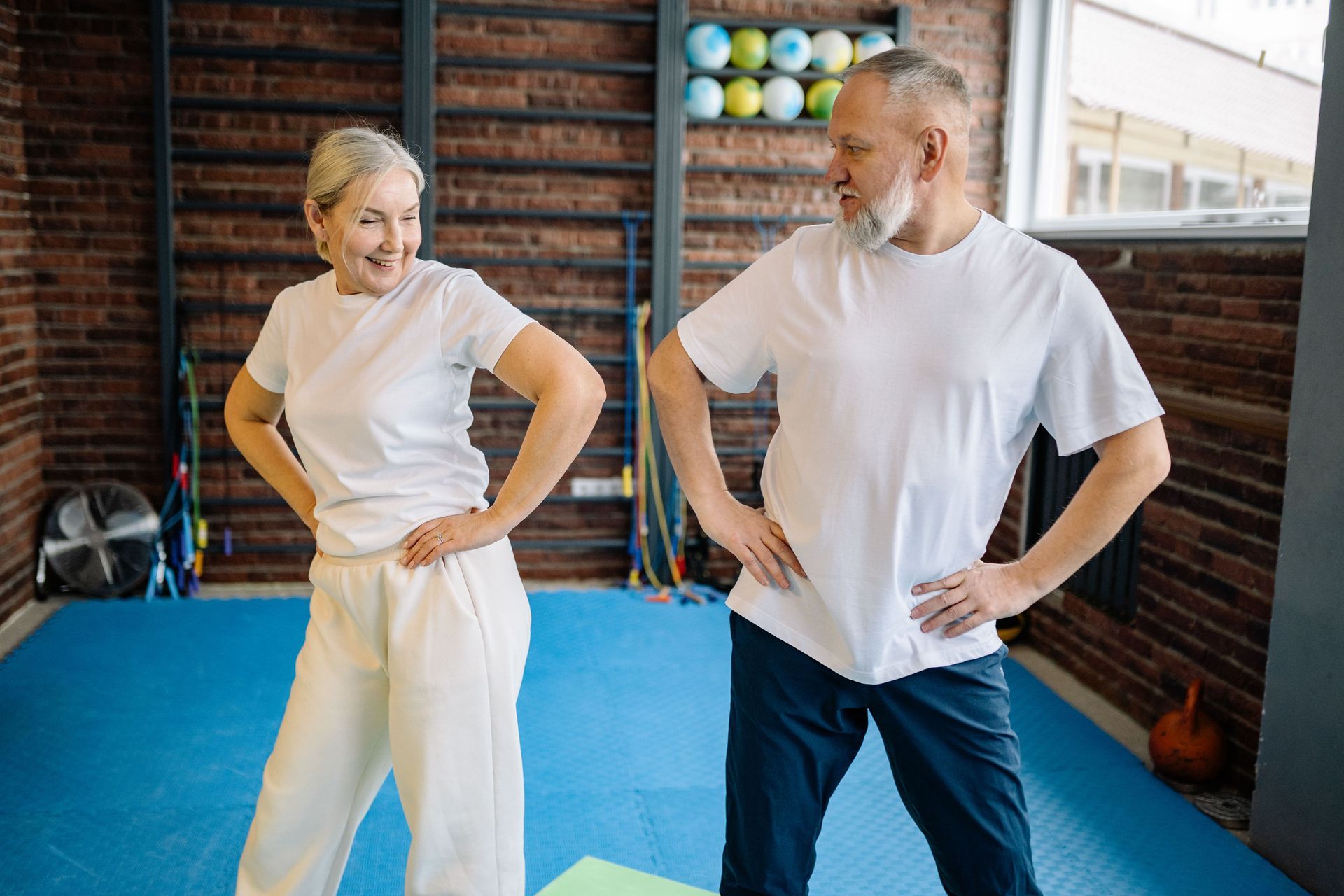
- Dynamic balance: heel-to-toe walking, stepping in different directions and turning.
- Reactions: practising quick steps to recover your balance, and catching or reaching tasks.
Research consistently shows that exercise programs which challenge balance and are done regularly reduce falls in older adults.
Make it safe and progressive
Start with support close by and make the exercises harder as you improve, for example by reducing your hand support, closing your eyes or adding a head turn. Aim to practise balance two to three times a week, and combine it with strength training for your bones.
How we can help
Our Accredited Exercise Physiologists assess your strength, balance and falls risk, then build a program that combines bone-loading exercise with balance training. Learn more about our osteoporosis exercise physiology service in Balwyn North, or call (03) 8849 9795 to book.
This article is general information only and isn't a substitute for advice from your doctor or health professional.