Do You Really Need to Lift Heavy for Osteoporosis?

October 19, 2026

Lifting heavy is safe if you have osteoporosis, but it isn't the only way to build bone. Newer research shows moderate-intensity strength training can be just as effective, which means you can start where you are and still make real gains.

Click the play button below to listen to the podcast.

Where does the Lifting Heavy mantra come from?

The idea traces back to the LIFTMOR trial, run by Griffith University in Queensland. It followed 101 postmenopausal women, average age around 65, all with low bone density (osteopenia or osteoporosis).

The goal was to test whether high-intensity training was safe for this group. High intensity meant working at about 85% of your maximum.

The results were impressive:

Bone mineral density improved

Physical function improved

There were no vertebral fractures

That finding challenged the old advice to avoid loading the spine or lifting anything heavy. Over time, though, the message shifted from "high intensity is safe" to "high intensity is what you need".


Who was left out

The trial received 568 expressions of interest but enrolled only 101 women. Many were excluded because they had other health conditions.

That's sound research design, since it removes variables. But it doesn't reflect who exercise physiologists actually see. Most of our clients with osteoporosis have at least one other condition, so the trial tells us high intensity is safe for healthy women over 65. It doesn't tell us it's the best option for everyone.


What the newer research shows

A recent meta-analysis compared resistance training intensities in postmenopausal women and found there's no single magic number for bone health. It grouped studies by intensity, as a percentage of the most you can lift once:

High: 85% and above (only 4 studies)

Moderate: 65–80% (40 studies)

Low: under 65% (19 studies)


High intensity is actually the least studied of the three. Here's how each performed at the key sites for osteoporosis:

  • Lumbar spine: high intensity gave the best result; low and moderate also helped.
  • Femoral neck (hip): low and moderate worked equally well; not enough data on high.
  • Total hip: only moderate intensity made a difference; not enough data on high.


High intensity came out on top for the spine. Moderate intensity matched or beat low intensity everywhere else, and was the only one to improve total hip density.

This has changed our own practice. We used to recommend high intensity by default, as does Exercise Sports Science Australia's position statement for exercise physiologists. The newer evidence says moderate can be just as effective.


Why this matters in the clinic

Telling everyone they must lift at 85% can stop people exercising before they've started. Picture a 70-year-old with osteoporosis who hasn't exercised in years and is nervous about moving. Being told to lift near their maximum is a big ask.

Instead, we can start where the person is and build capacity from there. Even reaching 65% of their maximum is still doing real work for their bones.

This matters most for people who are:

  • New to exercise or deconditioned
  • Living with pain or a past injury
  • Fearful of heavy lifting

The LIFTMOR protocol also underpins the popular Onero program, which uses five sets of five reps at high intensity. It's a good, research-based program. But a fixed protocol can't easily adapt when the evidence changes or when a client needs a different starting point. Having more options lets us tailor the program to the person, which generally gets better results.


So is heavy lifting still worth it?

Yes. Heavy training is good for you; it just isn't the entry requirement. If someone gets stronger and can handle heavier loads, there's no reason to stop progressing them because they have osteoporosis.

We still build periods of heavier training into many clients' programs, for two main reasons.

Real-life confidence. Life asks us to move a bookshelf or lift a heavy pot plant. Practising heavier lifts in a supervised setting builds both the physical capacity and the confidence to handle those moments.

Most people underestimate their effort. In theory, 85% means you can complete five or six reps and couldn't manage a seventh. In practice, clients rarely know where their true limit is, because they've never pushed that far. We often watch a sixth rep move smoothly when several more were clearly in the tank.

So even when a program says 85%, many people are really working at 70–80%. Aiming high still has value: if you don't hit the exact mark, you're still getting the benefits. And over time, clients get much better at judging their own effort.


Is it safe to bend and lift with your back?

The LIFTMOR trial found no fractures, even with exercises like deadlifts that load and bend the spine. That's one of its most valuable findings.

The old advice was: you have osteoporosis, so don't bend, don't lift heavy, keep your back straight. But bones need load to adapt. Avoiding it altogether works against the very thing you're trying to improve.

Rather than labelling bending or lifting as dangerous, we look at the individual: their bone health, history, confidence and capacity.

For clients who feel nervous, we use graded exposure. We start with something that feels easy, show them it's safe and that their body responds well, then progress gradually. Their confidence grows alongside their strength, and over time they reach the intensity we're aiming for.


What to expect at Activate

An osteoporosis program at Activate starts with understanding you, then builds gradually from there.

Your initial consultation

  1. Your diagnosis and scan results. Your bone density scan shows where you sit on the range, which can guide the intensity we start at.
  2. Your current week. We look at how much strength and impact exercise you're already doing, and how much more would give you the best chance of maintaining or improving bone density.
  3. Health screening. We check for other conditions, injuries or concerns that shape your program.
  4. Moving together. We do some exercise and strength testing to understand your capacity and show you that you're safe to move.
  5. Your goals and preferences. What you enjoy matters, because a program you like is one you'll stick with.


Your program

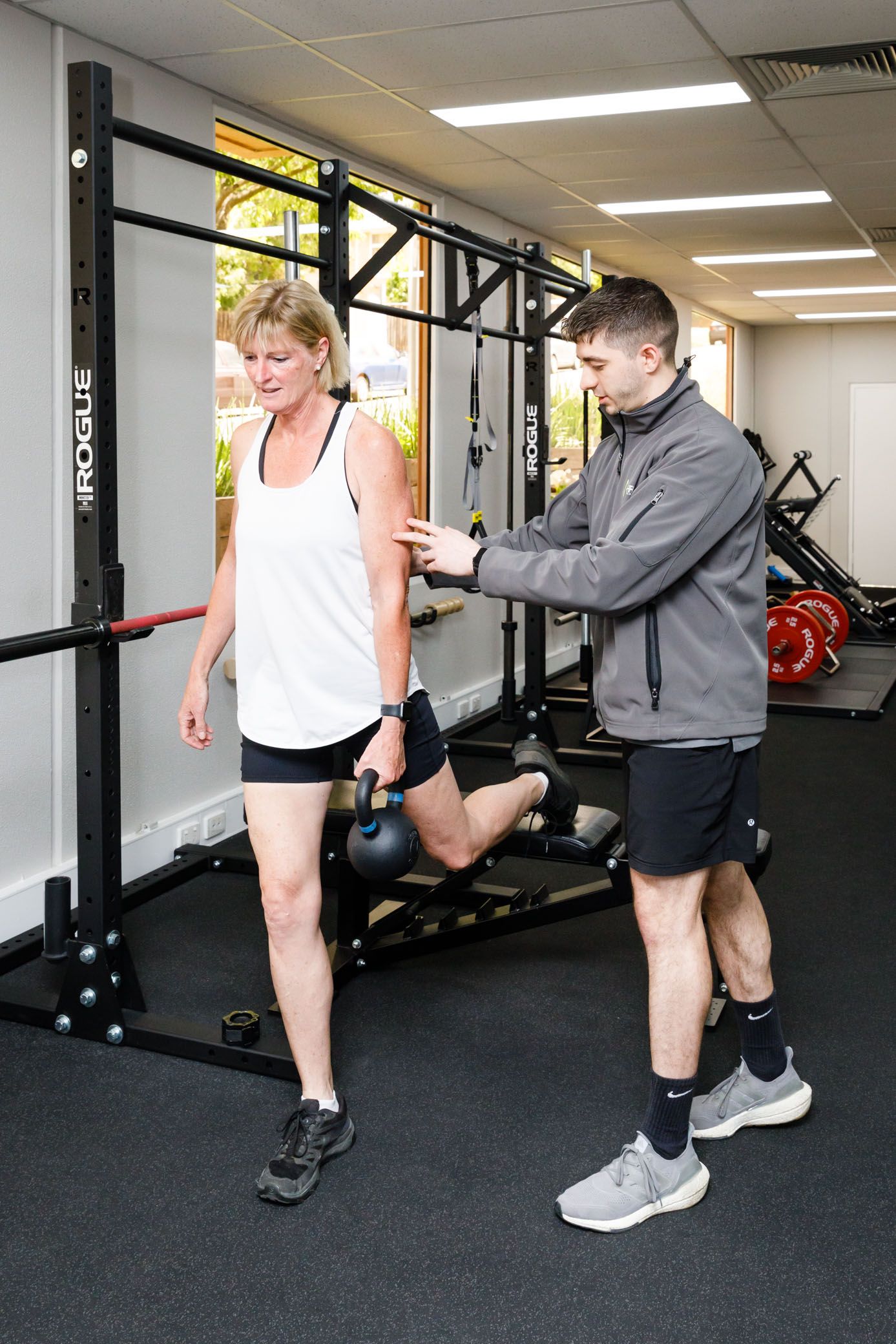
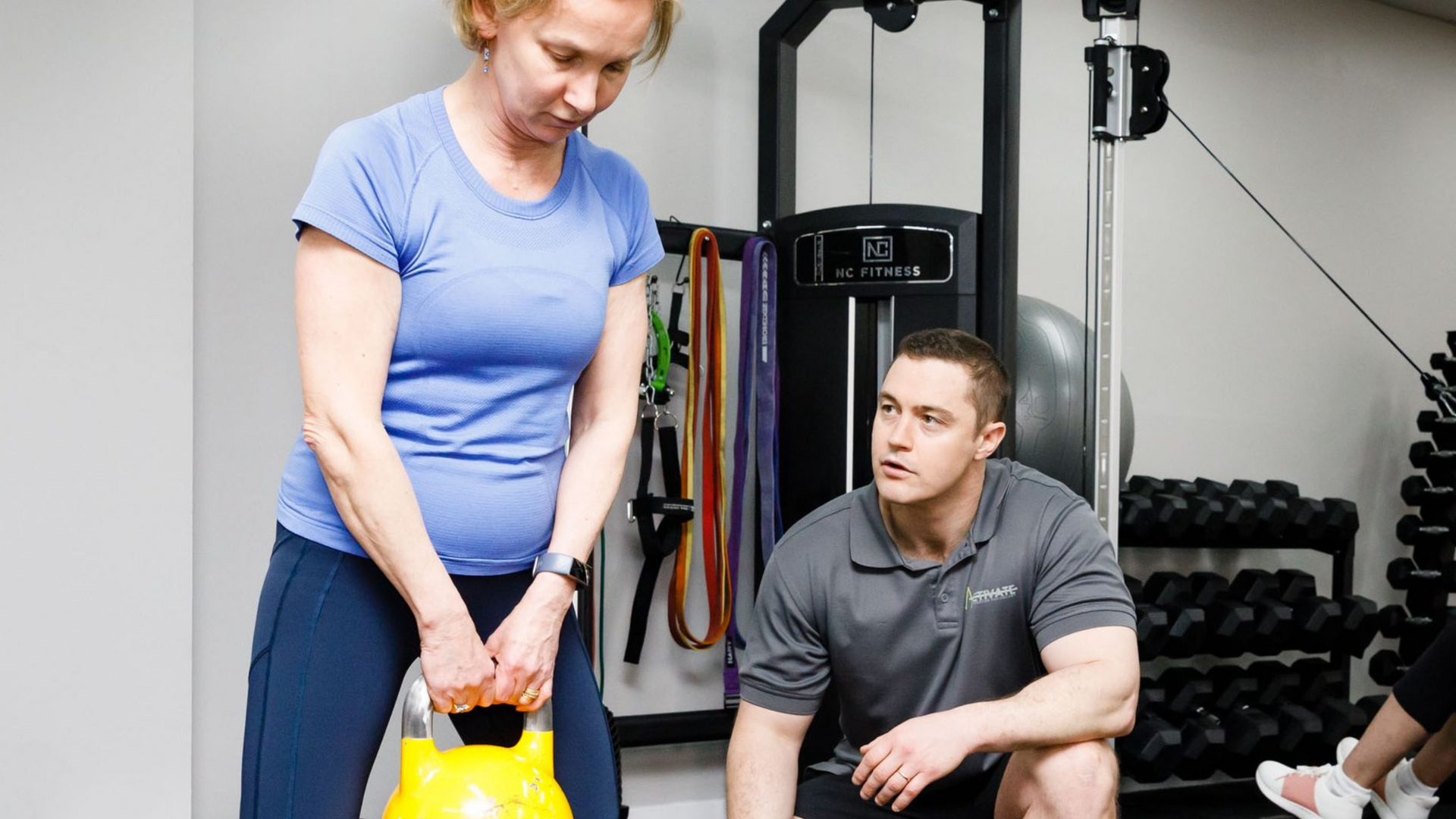
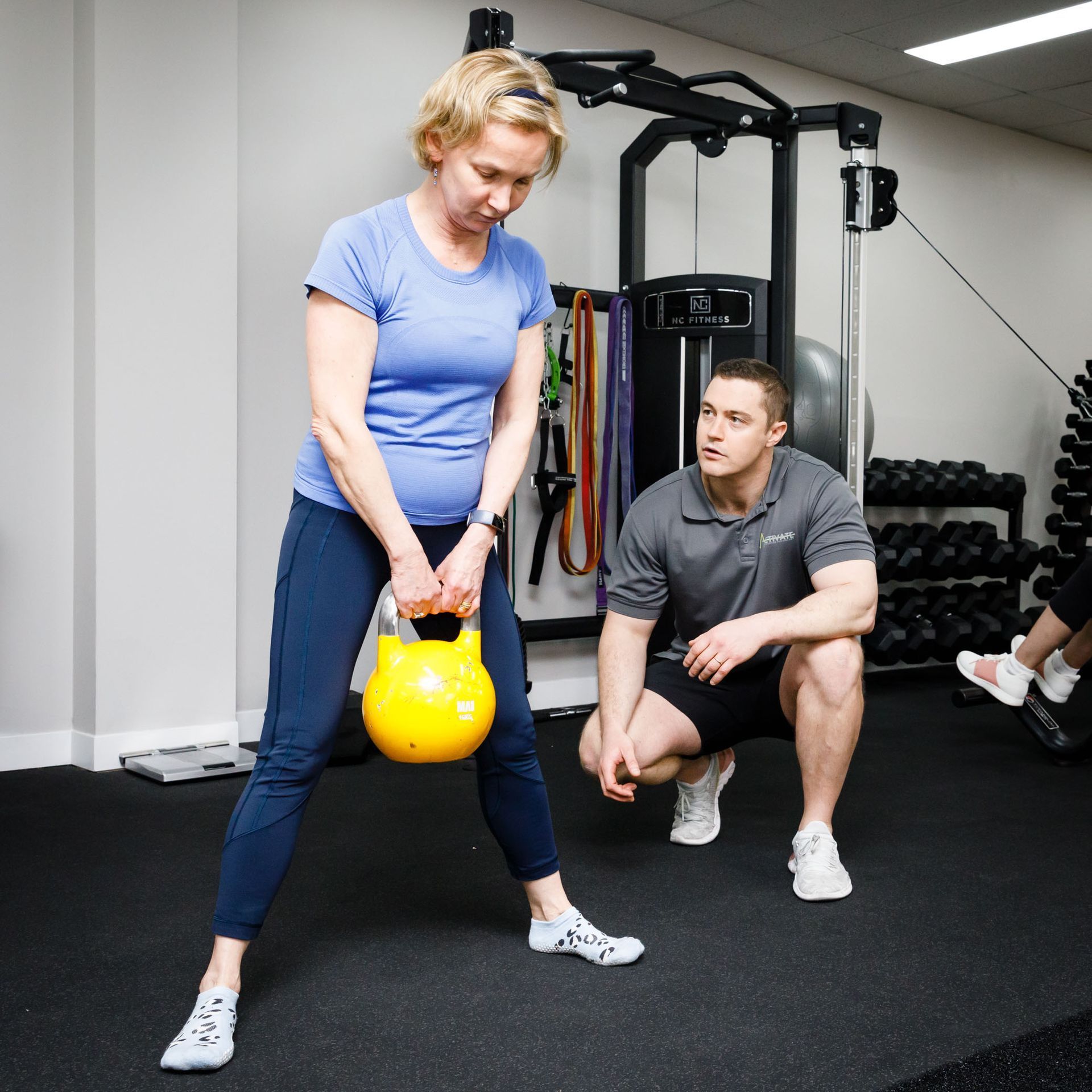
Most programs run two to three times a week, with 6 to 10 resistance exercises aimed at a moderate intensity, then progressed slowly over time. Typical exercises include:

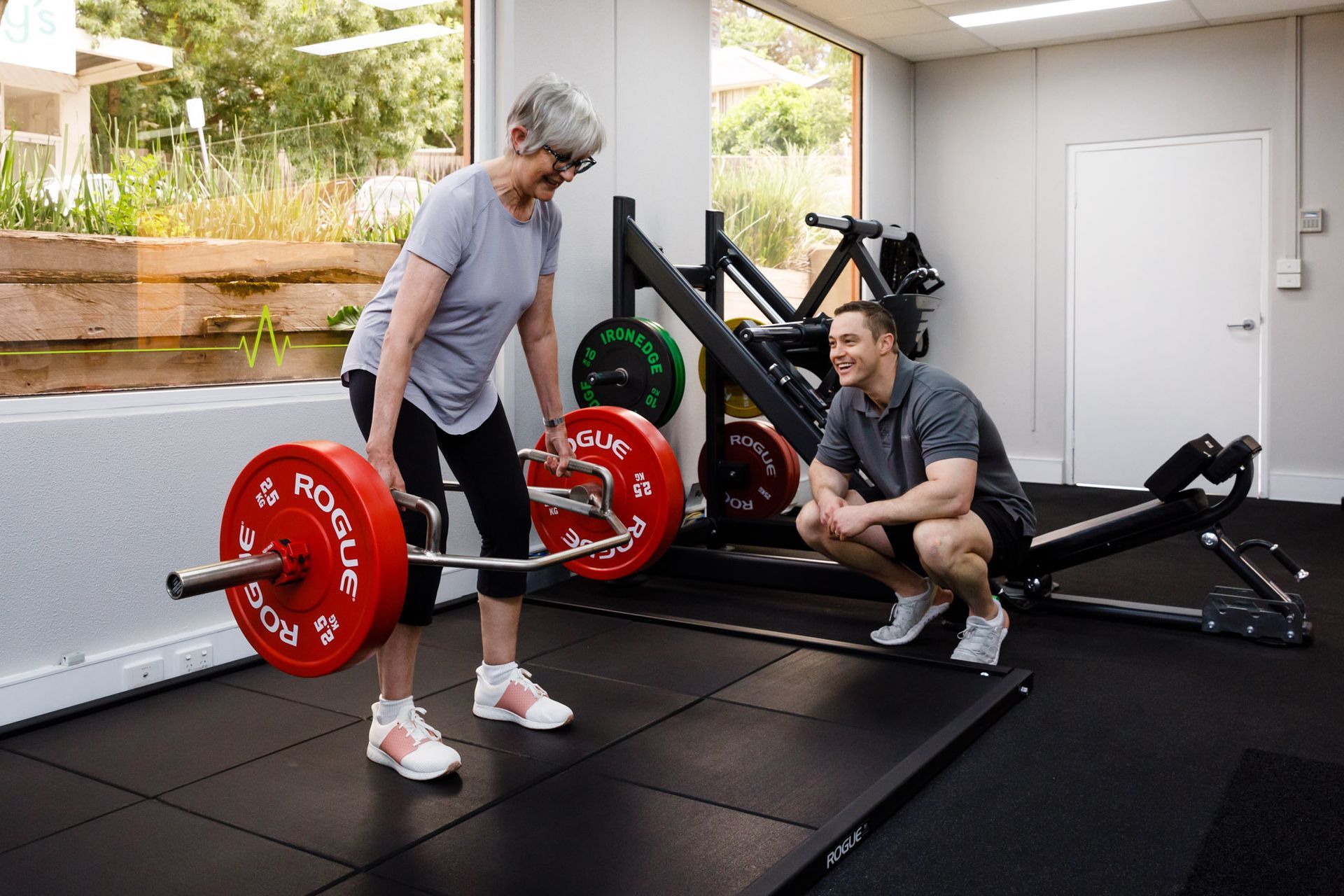
  • Deadlifts for the spine, often built up to from similar, easier movements
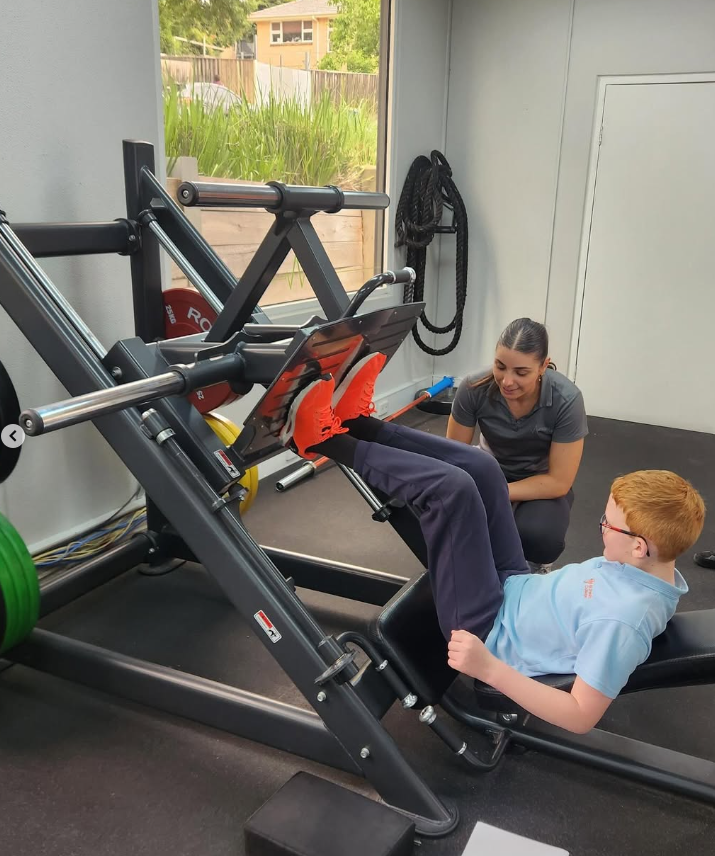
  • Leg press or squats for the femoral neck, which is hard to load because few muscles attach there
  • Chest press or push-ups for the forearm and wrist, a site of low bone density that doesn't get talked about much
  • Impact work, starting with firm marching and heel drops, then progressing towards jumping

Everything is adapted to your other health conditions and injuries, and progressed at a pace that works for you.


The bottom line

Heavy lifting and impact exercise are safe with osteoporosis. Credit to the LIFTMOR trial for showing that around a decade ago.

Training at 85% or more isn't essential. Moderate intensity can be just as effective for building bone density.

The starting point is lower than you've been told. You can begin where you are and progress from there.

Look for a practitioner who will treat you as an individual and involve you in decisions, rather than handing you a one-size-fits-all plan. Any exercise is beneficial, and putting barriers in front of it doesn't help anyone.

Ready to build stronger bones at your own pace? Book an initial consultation with one of our exercise physiologists at Activate Allied Health in Balwyn North.

This post is based on an episode of the Activate Edge podcast featuring Rory Scott, Director and Accredited Exercise Physiologist and Nathaniel Christoforou, Director and Accredited Exercise Physiologist.
September 24, 2026
Osteoporosis is a common condition affecting bone strength, yet there are still many misconceptions about how people with osteoporosis should exercise.
September 10, 2026
The inside word on movement, communication, and better living. Stay up to date with the latest in exercise physiology, speech pathology, occupational therapy and health science.
August 6, 2026
Resistance training and bone loading are important for maintaining and improving bone density. For people with osteoporosis, loading the bones is therefore a key component of management. However, when osteoporosis affects the spine, there is often significant fear around loading the spine due to a perceived increase in fracture risk. Fracture risk is influenced by many factors, and exercise programs should always be individualised. A thorough assessment should be completed before commencing an exercise program to ensure the exercises prescribed are appropriate for the individual's health status, functional capacity, and goals. One of the most important studies in this area is the LIFTMOR trial, which investigated the safety and effectiveness of high-intensity resistance and impact training (HiRIT) in postmenopausal women with low to very low bone mineral density (BMD). Participants were over 58 years of age and had a T-score of -1.0 or lower at the hip or spine. The HiRIT group progressively worked up to lifting approximately 85% of their one-repetition maximum (1RM) and performed deadlifts, squats, overhead presses, and jumping exercises twice per week using a 5 × 5 format. The control group completed a low-intensity exercise program. Importantly, despite the high loading involved, the HiRIT group did not experience an increased incidence of vertebral fractures over the 8-month intervention period. Participants underwent imaging at both baseline and follow-up, providing evidence that appropriately prescribed heavy resistance training can be performed safely in this population. What does this tell us about the best exercises for spinal osteoporosis? The LIFTMOR trial provides evidence that heavy deadlifts, squats, overhead presses, and impact exercises such as jumping is likely to be safe and effective when properly prescribed and supervised. However, this does not mean that every person with osteoporosis should immediately perform these exact exercises. Every individual has unique limitations, movement capacities, injury histories, and levels of confidence, and this trial excluded women with co-morbidities. It is common for people in their 60s to have co-morbidities, including osteoarthritis, diabetes, or previous muscle injuries. For this reason, exercise programs should be personalised. An Exercise Physiologist (EP) can assess the individual and determine the most appropriate starting point, selecting alternative exercises where necessary while still targeting the same physical qualities. The long-term goal may be to work toward exercises such as deadlifts, squats, overhead presses, and impact loading, but the pathway to these exercises will vary between individuals. The key message from the LIFTMOR trial is that resistance training for some people with spinal osteoporosis can be effective. While the specific exercises performed may differ from person to person, a well-designed, individualised program can progressively build toward higher levels of loading that support bone health and physical function. A Deeper Dive into the LIFTMOR Trial Study Design The trial involved 8 months of supervised HiRIT, consisting of 30-minute sessions performed twice per week. The program included four exercises: the deadlift, overhead press, back squat, and jumping chin-ups. Training intensity was greater than 80–85% of 1RM, performed as 5 sets of 5 repetitions. Sessions were supervised with a maximum of 8 participants. The comparison group completed an unsupervised, low-intensity home-based exercise program. This is a very high-intensity program and may not be achievable or advised for everyone. Participants Participants were postmenopausal women older than 58 years with a T-score of less than -1.0 at the hip or spine. Women were excluded if they had a lower limb joint injury or surgery, a recent fracture (within the previous 12 months), localised back pain, uncontrolled cardiovascular disease, cognitive impairment, hyperparathyroidism, diabetes, immobility, or long-term corticosteroid use. A total of 406 women consented to participate, but only 101 met the inclusion criteria, meaning only 25% were eligible. Fifteen participants dropped out of the trial, with one injury reported in the HiRIT group, identified as a lower back strain. The exclusion of women with co-morbidities is problematic, as it can be expected that many people in their 60s will have other health concerns. The fact that only 25% of women who applied to participate were eligible suggests that this program may only be suitable for a relatively narrow group of women with osteoporosis. Discussion The authors stated that "although we observed no serious adverse events in the LIFTMOR trial, we were not adequately powered to assess safety as an outcome." They also noted that they studied a relatively healthy population and that their findings may not be applicable beyond that population. This raises an important question. If the study was not adequately powered to assess safety as an outcome, can it confidently conclude that the intervention is safe? The study can conclude that the intervention was effective within the population studied, but the strength of any conclusions regarding safety is less clear.  At the same time, there is an inherent risk in any exercise program. While clinicians can attempt to manage factors that may contribute to injury, the ability to completely prevent injury is limited.
July 2, 2026
Separating myths from evidence to understand and manage lateral hip pain.
June 18, 2026
If you've ever been told to rest, get a massage, or wait for your back pain to settle, this episode might change the way you think about recovery.
June 15, 2026
Understanding Tendinopathy Tendinopathy is a condition affecting tendons, often caused by overuse, repetitive strain, or age-related degeneration. It can present as either acute inflammation or chronic tendon degeneration. Common areas affected include the Achilles tendon, gluteal tendon, rotator cuff, patellar tendon, and the elbow, commonly known as tennis or golfer’s elbow. These conditions can lead to discomfort, pain, and movement limitations. What Causes Tendinopathy? Tendinopathy is primarily caused by overload, repetitive motions, or sudden increases in activity intensity, which can lead to changes in tendon tissue. There are several risk factors associated with tendinopathy that can be divided into modifiable and non-modifiable categories. Modifiable Risk Factors Strength Flexibility Biomechanics Metabolic disorders such as diabetes or arthritis Weight Hormonal influences Sleep and stress Non-Modifiable Risk Factors Age-related degeneration Gender Genetics Structural characteristics Previous injuries Drug exposure It is important to recognise the interplay between modifiable and non-modifiable risk factors. A holistic approach focused on managing modifiable factors can help reduce risk and support tendon health. How Is Tendinopathy Diagnosed? Tendinopathy is diagnosed through a combination of clinical assessment and physical examination. A clinical assessment may include: Understanding an individual’s history Reviewing individual signs and symptoms Exercise Physiologists will typically begin with a physical examination, including: Evaluating pain, tenderness, and movement restrictions Inquiring about activity levels, including recent increases in physical load Assessing the presence of other health conditions Typical clinical presentations include: Localised pain Discomfort following a sudden increase in activity Pain aggravated by continuous load, though it may temporarily improve during movement A proportional relationship between load and pain Pain and stiffness in the mornings While imaging may reveal structural changes such as degeneration, it cannot definitively differentiate between a tendon tear and severe tendinopathy. Imaging should not be used as the sole diagnostic tool and is primarily helpful for ruling out other conditions or identifying referred pain from different areas. How Does Exercise Influence Tendinopathy? Exercise is one of the most effective tools for treating and strengthening tendons affected by tendinopathy. Loading the tendon and surrounding muscles through exercise can help with immediate pain reduction and strengthen the muscle-tendon unit. Properly structured exercise programs help to: Stimulate tendon repair Enhance tendon quality and strength Restore overall function What Is the Best Way to Manage Tendinopathy? There are three essential interventions for managing tendinopathy: Implementing an individualised exercise plan to gradually progress exposure to load for better tolerance and function Managing load outside the rehabilitation program Understanding pain, managing risk factors, and learning how to manage exercise load When managing tendinopathy through an exercise rehabilitation program, it is important to consider an individual’s response to physical stress. This is measured through load tolerance. Load tolerance refers to the amount of pain-free force an individual can produce or absorb for a specific movement over a specified period of time while still maintaining control of the movement. Adequate load tolerance includes: Acceptable pain during activity Pain that settles within a day What Is Acceptable Pain? Training within a pain range of 0–4 out of 10 is considered acceptable. Pain rated 5 out of 10 or higher may be problematic. Exercise Recommendations For any exercise rehabilitation program, it is important to gradually and progressively load the tendon and muscle while remaining within acceptable load tolerance parameters. Load response should continue to be monitored throughout the program. Example Exercise Loading Progressions for Patellar Tendinopathy Knee extension Leg press (double then single) Split squat Step up Walking lunges Higher step for step up Jumping and hopping Split jumps Maximal forward hop References Goom, T.S., Malliaras, P., Reiman, M.P. and Purdam, C.R., 2016. Proximal hamstring tendinopathy: clinical aspects of assessment and management. Journal of Orthopaedic & Sports Physical Therapy, 46(6), pp.483–493. Malliaras, P. and O’Neill, S., 2017. Potential risk factors leading to tendinopathy. Apunts. Medicina de l’Esport, 52(194), pp.71–77. Malliaras, P., Cook, J., Purdam, C. and Rio, E., 2015. Patellar tendinopathy: clinical diagnosis, load management, and advice for challenging case presentations. Journal of Orthopaedic & Sports Physical Therapy, 45(11), pp.887–898. Malliaras, P., 2024. Mastering Lower Limb Tendinopathy 5th edition ONLINE.
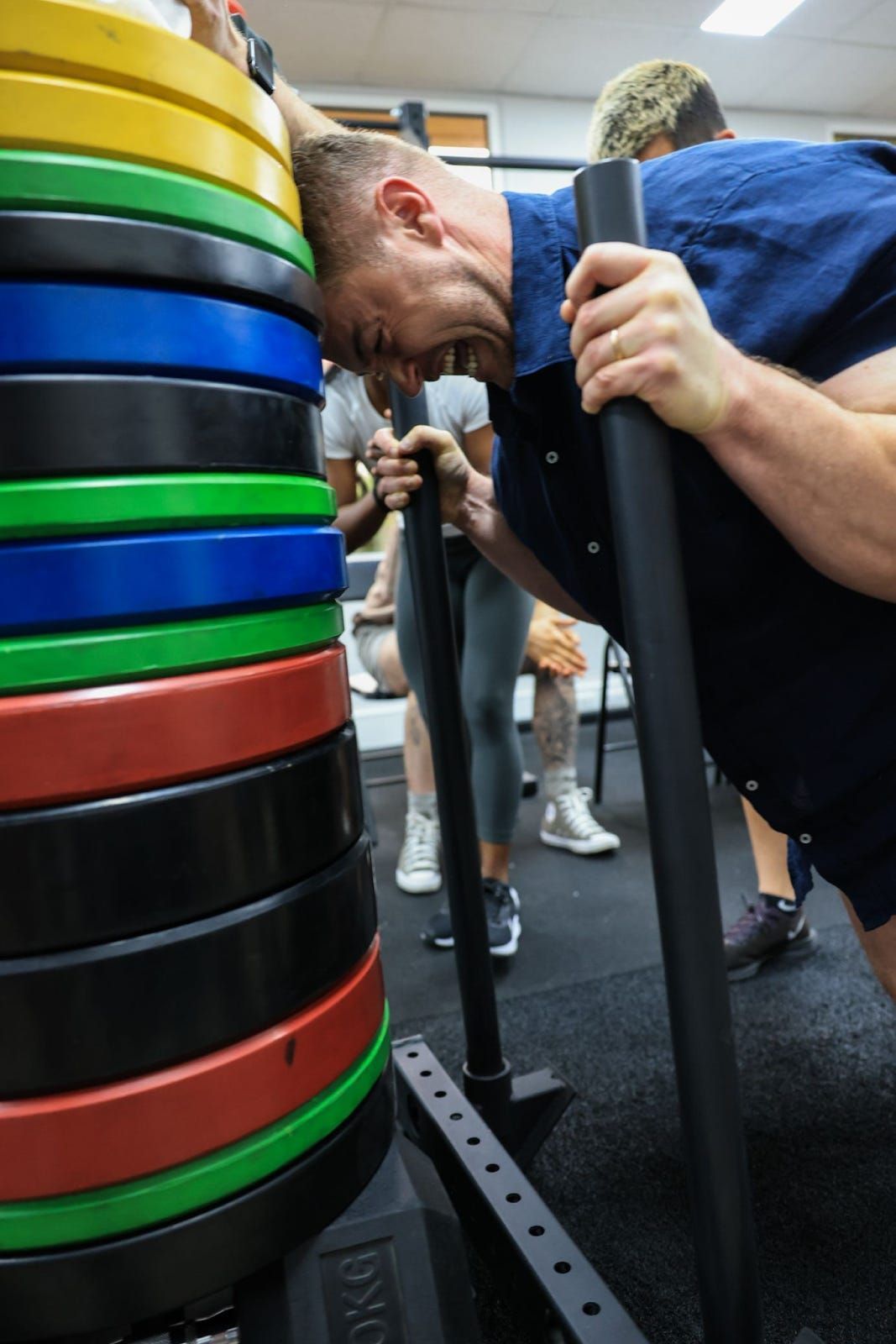
Person leaning into a machine with stacked colorful weight plates in a gym
June 12, 2026
Learn how we raised funds for local schools over 4 years. Join us in supporting our community through the Sled Challenge Fundraiser!
April 17, 2026
Ned overcame back pain through strength training & support. Start your journey to recovery today with Activate Exercise Physiology.
March 24, 2026
Learn how exercise aids emotional regulation in teens with special needs. Contact us to support their mental health today!
By admin • November 20, 2025
Understand sciatica symptoms & causes like disc herniation. Get effective treatment options for back pain. Contact us today!