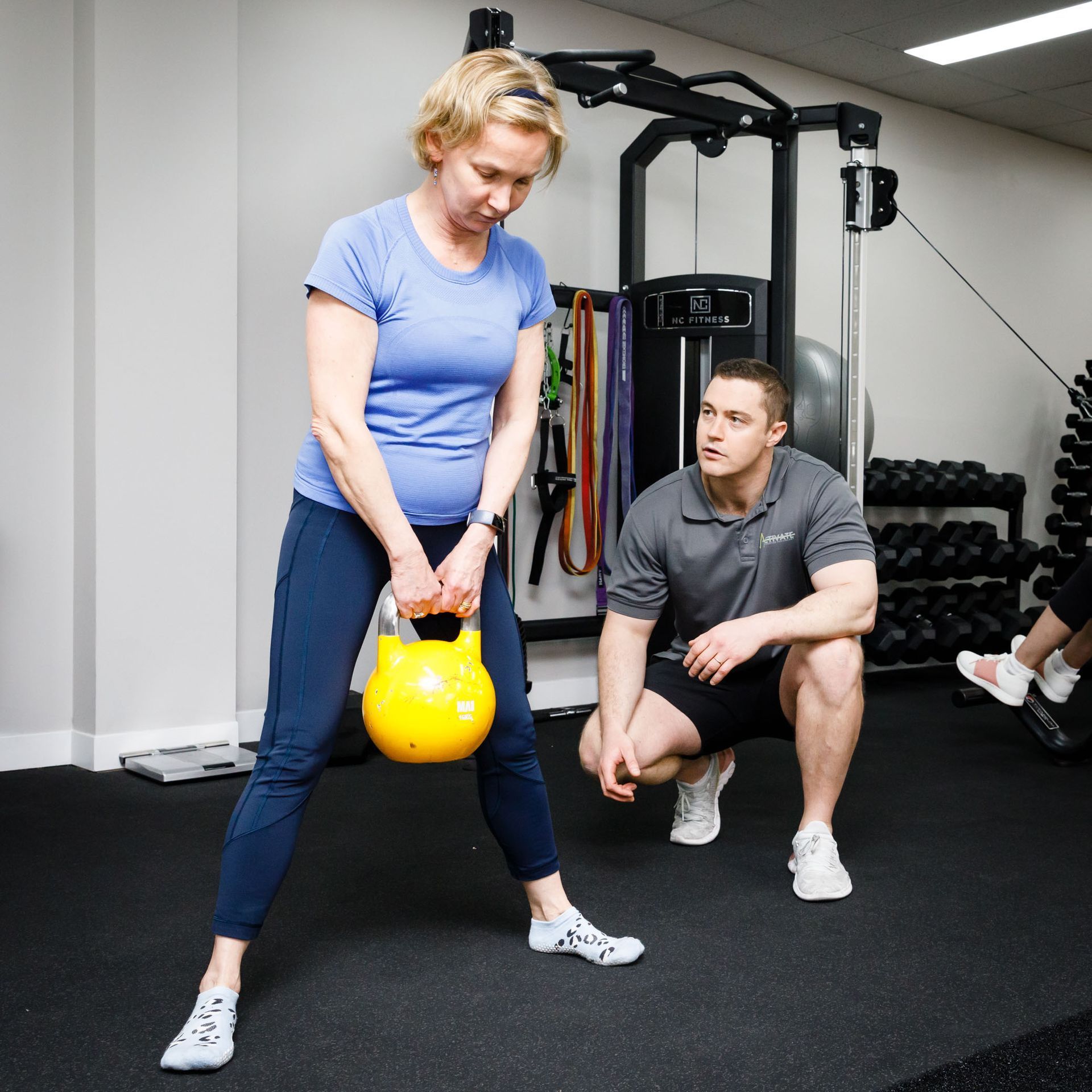
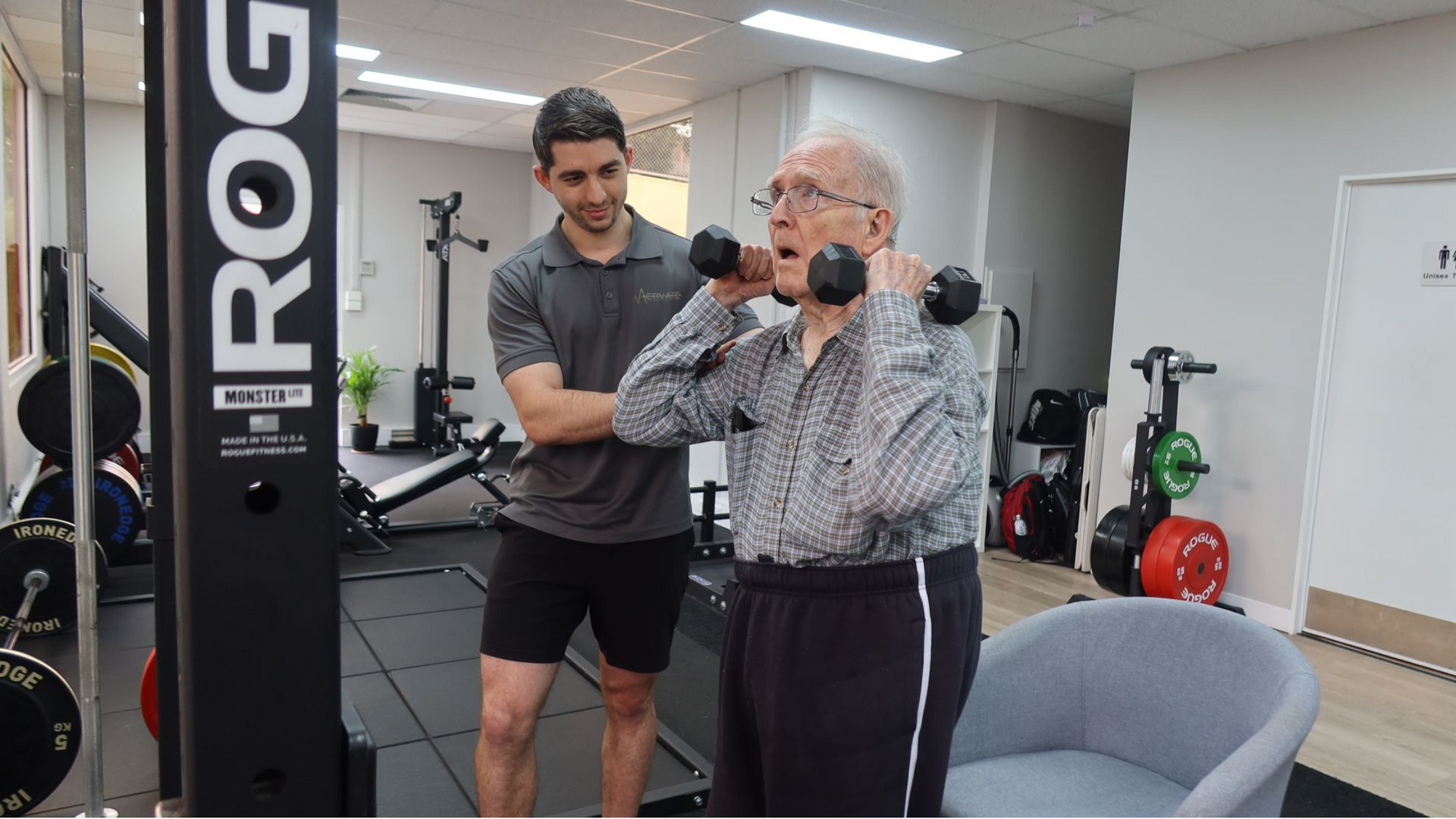
Enabling Everyday Heroes: The Vital Role of Exercise Physiologists

admin • August 6, 2024

We often take for granted the simple acts of daily life—walking to the shops, climbing stairs, or even maintaining our balance as we move about. Yet for many Australians, these seemingly effortless activities can be significant challenges. This is where Exercise Physiologists step in, playing a crucial role in helping people regain their independence and confidence in movement.


Exercise Physiology is a field that bridges the gap between health science and practical application. We work tirelessly to understand how the human body responds to physical activity and use this knowledge to improve people's lives. Our work goes far beyond helping athletes achieve peak performance; it's about enabling individuals from all walks of life to perform the everyday tasks that many of us barely think about.


One of the most rewarding aspects of being an Exercise Physiologist is witnessing the transformation in their clients' lives. Nadunie Piyasena, an
Exercise Physiologist on our team Activate Allied Health, shares her perspective: "There's nothing quite like helping clients do things they didn't have the confidence to do before. Something as simple as walking better can make a world of difference to someone's quality of life."


This sentiment is echoed by Aislinn Gesuale, another dedicated member of our team here at Activate. She emphasises the positive impact of her role, stating,
"Being able to see how much my work can help clients reach their goals and positively influence their lives is incredibly fulfilling."


Activate Exercise physiologist Quinton Le, reflecting on his experience, notes,
"Working with people is both the most rewarding and challenging part of our job. It's really cool to work as a team to help someone achieve their goals and exceed expectations. The journey getting there, overcoming barriers, setbacks, and being patient, tends to be the biggest challenge. But it makes it all the more rewarding once you reach that point."


We often work with individuals who have faced setbacks due to injury, illness, or age-related conditions. Our role involves not just physical training but also providing emotional support and motivation. We tailor our approach to each client's unique needs and circumstances, which requires a deep understanding of the human body and spirit.


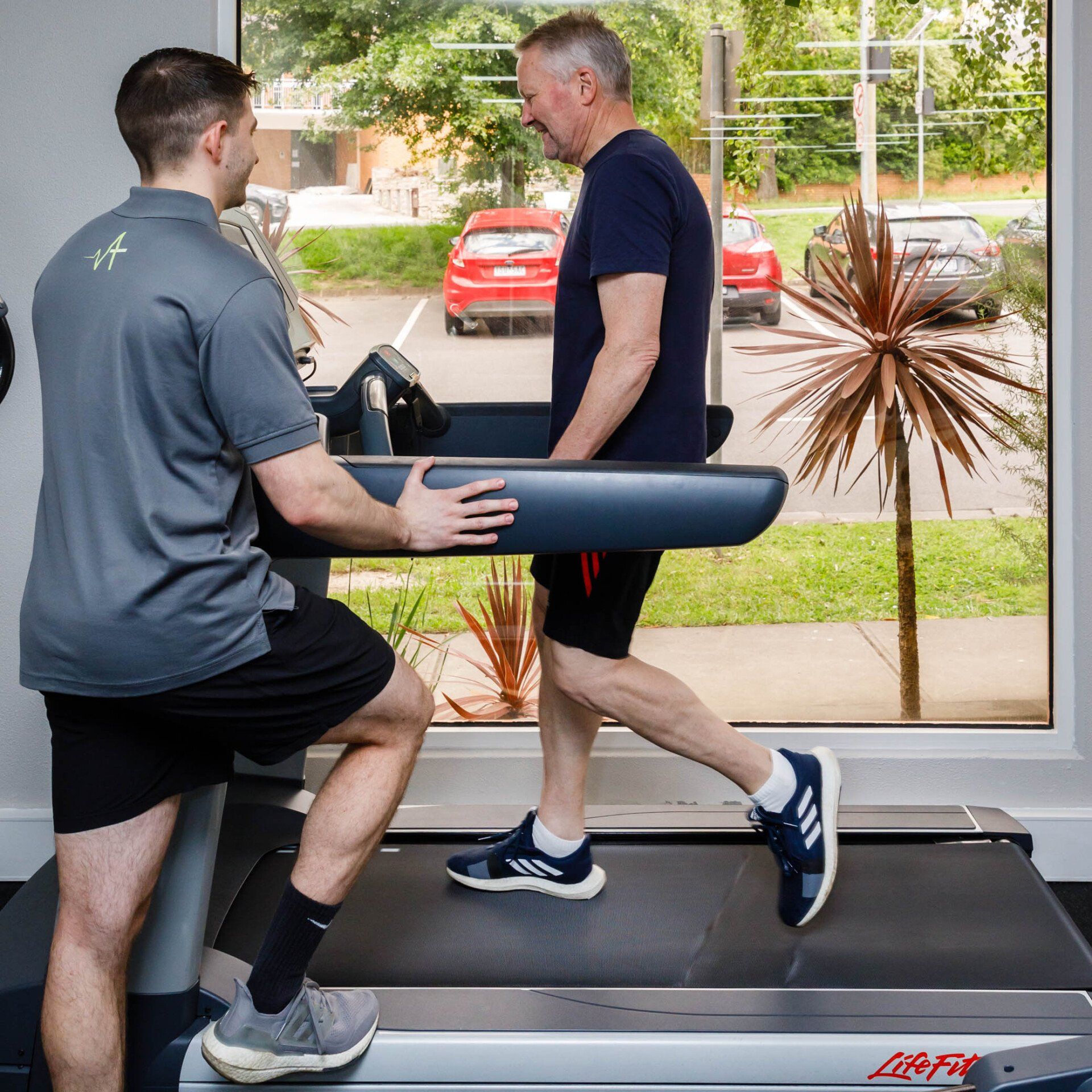
Consider the case of an older adult who has become fearful of falling after a recent stumble. As an Exercise Physiologist, we would work with this individual to improve their balance, strengthen their muscles, and increase their confidence. This might involve a combination of targeted exercises, gait training, and education about fall prevention strategies. Over time, the client may progress from being housebound to confidently taking walks in their neighbourhood - a transformation that profoundly impacts their independence and overall well-being.


Similarly, for someone recovering from a stroke, the goal might be to regain the ability to perform basic self-care tasks. An Exercise Physiologist would design a programme that focuses on improving coordination, strength, and motor control. This could involve exercises that mimic everyday movements, gradually increasing in difficulty as the client progresses. The joy of seeing a client button their shirt independently for the first time in months is immeasurable, both for the individual and the Exercise Physiologist guiding their recovery.

The field of Exercise Physiology is constantly evolving, with new research and technologies emerging regularly. This requires us to be lifelong learners, continuously updating our knowledge and skills to provide the best possible care for our clients. It combines scientific rigour with practical application, making it an exciting career choice for those passionate about health and helping others.


For those considering a career in Exercise Physiology or looking to work with organisations like Activate Allied Health, it's important to understand that this profession demands more than just a knowledge of anatomy and physiology. It requires empathy, patience, and the ability to build strong, trusting relationships with clients. Celebrating small victories and maintaining a positive outlook in the face of setbacks is crucial.


Exercise Physiologists often work as part of a multidisciplinary team, collaborating with doctors, physiotherapists, occupational therapists, and other healthcare professionals. This collaborative approach ensures that clients receive comprehensive care that addresses all aspects of health and well-being.


In conclusion, Exercise Physiologists play a vital role in enabling people to reclaim their independence and enjoy the simple pleasures of everyday movement. Their work goes far beyond the gym or sports field - it's about improving quality of life, one step at a time. As Nadunie, Aislinn, and Quinton have shared, the challenges of the job are outweighed by the immense satisfaction of helping people achieve what they once thought impossible.


For those inspired by the prospect of making such a tangible difference in people's lives, a career in Exercise Physiology offers a path that is both challenging and deeply rewarding. It's a profession that allows you to combine scientific knowledge with a genuine desire to help others, empowering people to live life to the fullest, one movement at a time.


We are actively hiring driven Exercise Physiologists to join our growing team. If you'd like to apply,
please click this link. 
June 18, 2026
If you've ever been told to rest, get a massage, or wait for your back pain to settle, this episode might change the way you think about recovery.
June 15, 2026
Understanding Tendinopathy Tendinopathy is a condition affecting tendons, often caused by overuse, repetitive strain, or age-related degeneration. It can present as either acute inflammation or chronic tendon degeneration. Common areas affected include the Achilles tendon, gluteal tendon, rotator cuff, patellar tendon, and the elbow, commonly known as tennis or golfer’s elbow. These conditions can lead to discomfort, pain, and movement limitations. What Causes Tendinopathy? Tendinopathy is primarily caused by overload, repetitive motions, or sudden increases in activity intensity, which can lead to changes in tendon tissue. There are several risk factors associated with tendinopathy that can be divided into modifiable and non-modifiable categories. Modifiable Risk Factors Strength Flexibility Biomechanics Metabolic disorders such as diabetes or arthritis Weight Hormonal influences Sleep and stress Non-Modifiable Risk Factors Age-related degeneration Gender Genetics Structural characteristics Previous injuries Drug exposure It is important to recognise the interplay between modifiable and non-modifiable risk factors. A holistic approach focused on managing modifiable factors can help reduce risk and support tendon health. How Is Tendinopathy Diagnosed? Tendinopathy is diagnosed through a combination of clinical assessment and physical examination. A clinical assessment may include: Understanding an individual’s history Reviewing individual signs and symptoms Exercise Physiologists will typically begin with a physical examination, including: Evaluating pain, tenderness, and movement restrictions Inquiring about activity levels, including recent increases in physical load Assessing the presence of other health conditions Typical clinical presentations include: Localised pain Discomfort following a sudden increase in activity Pain aggravated by continuous load, though it may temporarily improve during movement A proportional relationship between load and pain Pain and stiffness in the mornings While imaging may reveal structural changes such as degeneration, it cannot definitively differentiate between a tendon tear and severe tendinopathy. Imaging should not be used as the sole diagnostic tool and is primarily helpful for ruling out other conditions or identifying referred pain from different areas. How Does Exercise Influence Tendinopathy? Exercise is one of the most effective tools for treating and strengthening tendons affected by tendinopathy. Loading the tendon and surrounding muscles through exercise can help with immediate pain reduction and strengthen the muscle-tendon unit. Properly structured exercise programs help to: Stimulate tendon repair Enhance tendon quality and strength Restore overall function What Is the Best Way to Manage Tendinopathy? There are three essential interventions for managing tendinopathy: Implementing an individualised exercise plan to gradually progress exposure to load for better tolerance and function Managing load outside the rehabilitation program Understanding pain, managing risk factors, and learning how to manage exercise load When managing tendinopathy through an exercise rehabilitation program, it is important to consider an individual’s response to physical stress. This is measured through load tolerance. Load tolerance refers to the amount of pain-free force an individual can produce or absorb for a specific movement over a specified period of time while still maintaining control of the movement. Adequate load tolerance includes: Acceptable pain during activity Pain that settles within a day What Is Acceptable Pain? Training within a pain range of 0–4 out of 10 is considered acceptable. Pain rated 5 out of 10 or higher may be problematic. Exercise Recommendations For any exercise rehabilitation program, it is important to gradually and progressively load the tendon and muscle while remaining within acceptable load tolerance parameters. Load response should continue to be monitored throughout the program. Example Exercise Loading Progressions for Patellar Tendinopathy Knee extension Leg press (double then single) Split squat Step up Walking lunges Higher step for step up Jumping and hopping Split jumps Maximal forward hop References Goom, T.S., Malliaras, P., Reiman, M.P. and Purdam, C.R., 2016. Proximal hamstring tendinopathy: clinical aspects of assessment and management. Journal of Orthopaedic & Sports Physical Therapy, 46(6), pp.483–493. Malliaras, P. and O’Neill, S., 2017. Potential risk factors leading to tendinopathy. Apunts. Medicina de l’Esport, 52(194), pp.71–77. Malliaras, P., Cook, J., Purdam, C. and Rio, E., 2015. Patellar tendinopathy: clinical diagnosis, load management, and advice for challenging case presentations. Journal of Orthopaedic & Sports Physical Therapy, 45(11), pp.887–898. Malliaras, P., 2024. Mastering Lower Limb Tendinopathy 5th edition ONLINE.
June 12, 2026
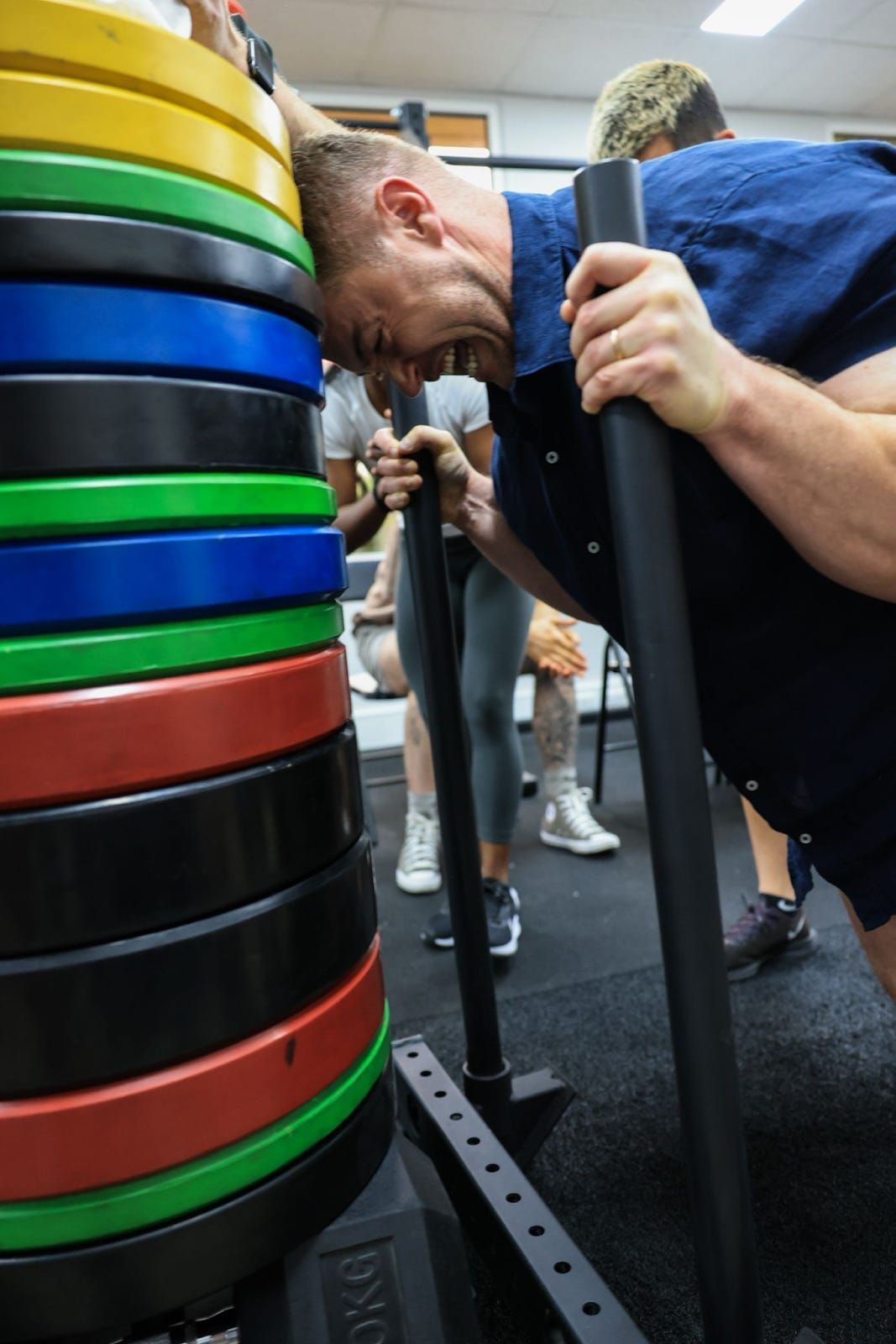
Learn how we raised funds for local schools over 4 years. Join us in supporting our community through the Sled Challenge Fundraiser!
April 17, 2026
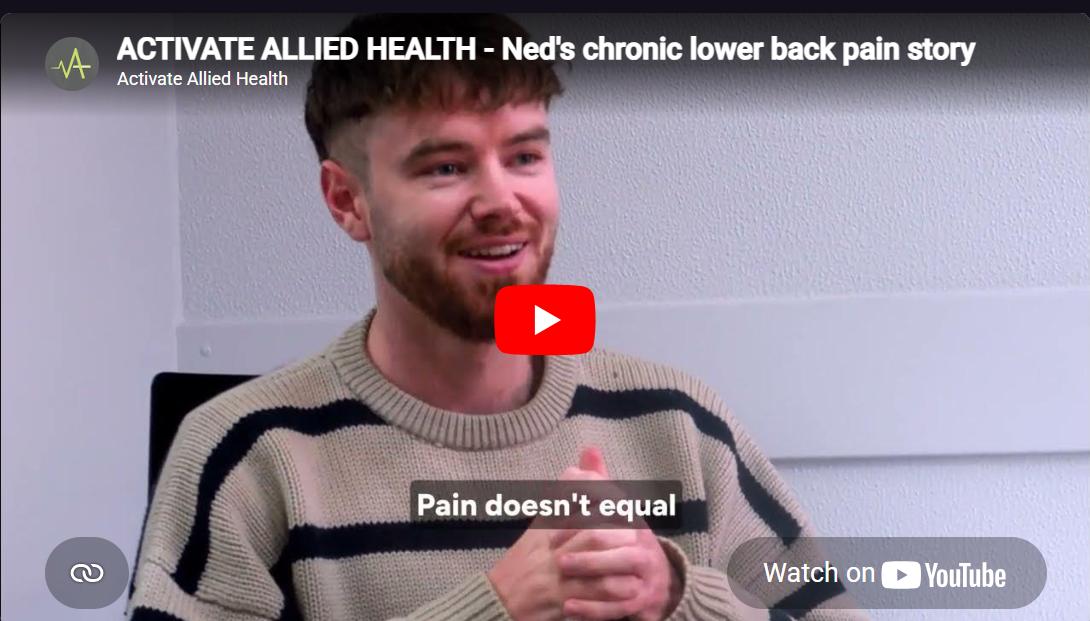
Ned overcame back pain through strength training & support. Start your journey to recovery today with Activate Exercise Physiology.
March 24, 2026
Learn how exercise aids emotional regulation in teens with special needs. Contact us to support their mental health today!
By admin November 20, 2025
Understand sciatica symptoms & causes like disc herniation. Get effective treatment options for back pain. Contact us today!
By admin August 22, 2025
Learn the top 3 exercises to manage knee osteoarthritis pain. Improve your joint health with our expert guidance today!
A woman is talking to another woman while holding a piece of paper.
By admin May 23, 2025
Regular exercise is key to preventing & managing Type 2 Diabetes. Contact us to learn effective strategies for better health.
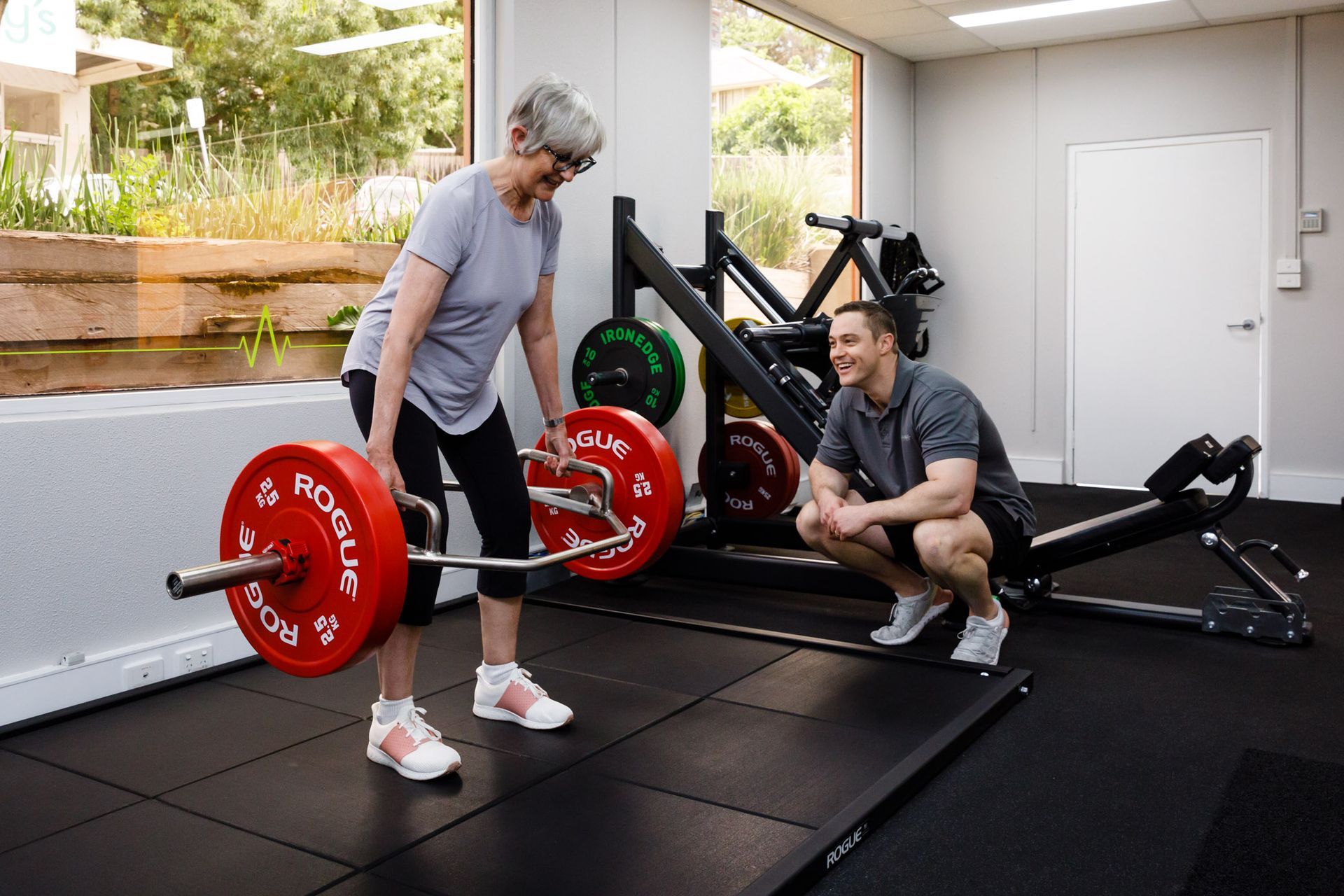
A man is squatting next to a woman lifting a barbell in a gym.
By admin April 29, 2025
Learn the 3 best exercises for osteoporosis to boost bone health. Contact us for personalized exercise programs tailored to your needs.
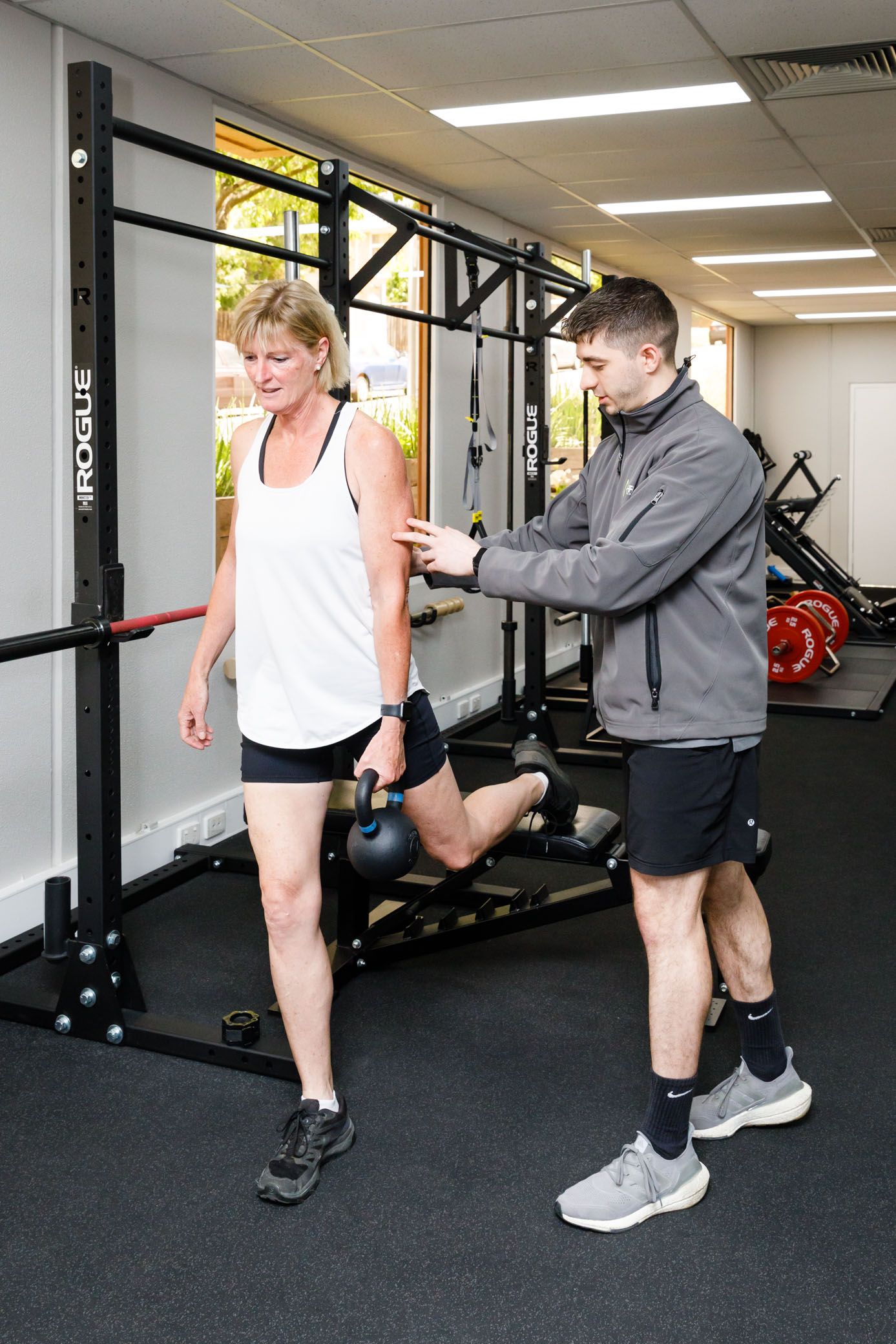
A man is helping a woman do exercises in a gym.
By admin October 31, 2024
Reassess pain perception in fitness. Learn strategies to manage discomfort effectively. Contact us for guidance!