
Edition 12- The Activate Edge
The inside word on movement, communication, and better living. Stay up to date with the latest in exercise physiology, speech pathology, occupational therapy and health science.
Welcome to the twelfth edition of the Activate Edge!
The team at Activate HQ is excited to connect with our community in a whole new way. Each month the team will look to bring to you in behind closed doors to the world of Allied Health.
This month check out:
- Our feature blog on Spinal Osteoporosis
- What’s On- Revisiting our 2025 Fundraiser
- GST on Exercise Physiology
- A Client Spotlight with… Peter
- Get to know our very own Elsa
Is It Safe to Lift Heavy with Spinal Osteoporosis?
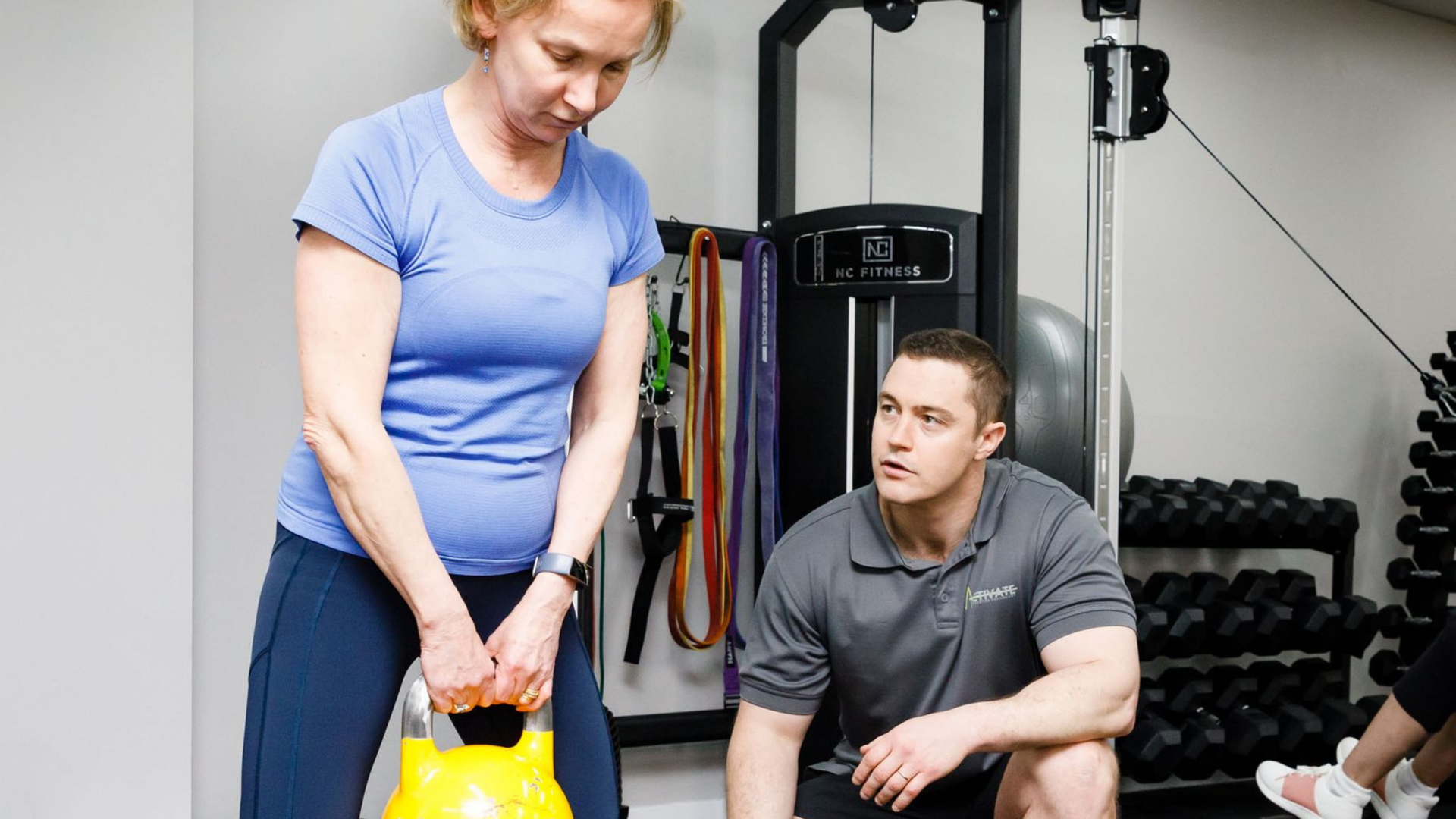
Resistance training and bone loading are important for maintaining and improving bone density. For people with osteoporosis, loading the bones is therefore a key component of management. However, when osteoporosis affects the spine, there is often significant fear around loading the spine due to a perceived increase in fracture risk.
Fracture risk is influenced by many factors, and exercise programs should always be individualised. A thorough assessment should be completed before commencing an exercise program to ensure the exercises prescribed are appropriate for the individual’s health status, functional capacity, and goals.
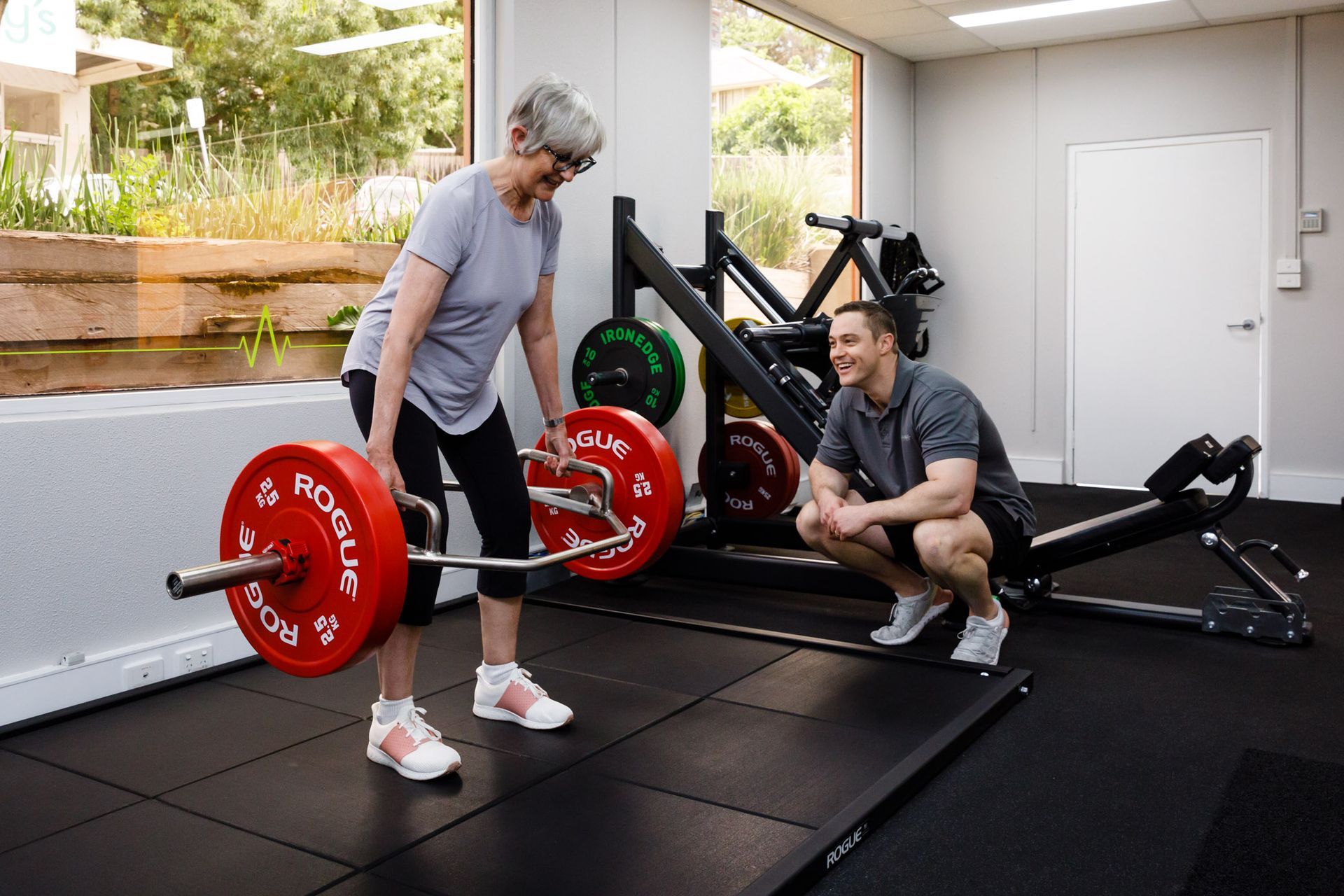
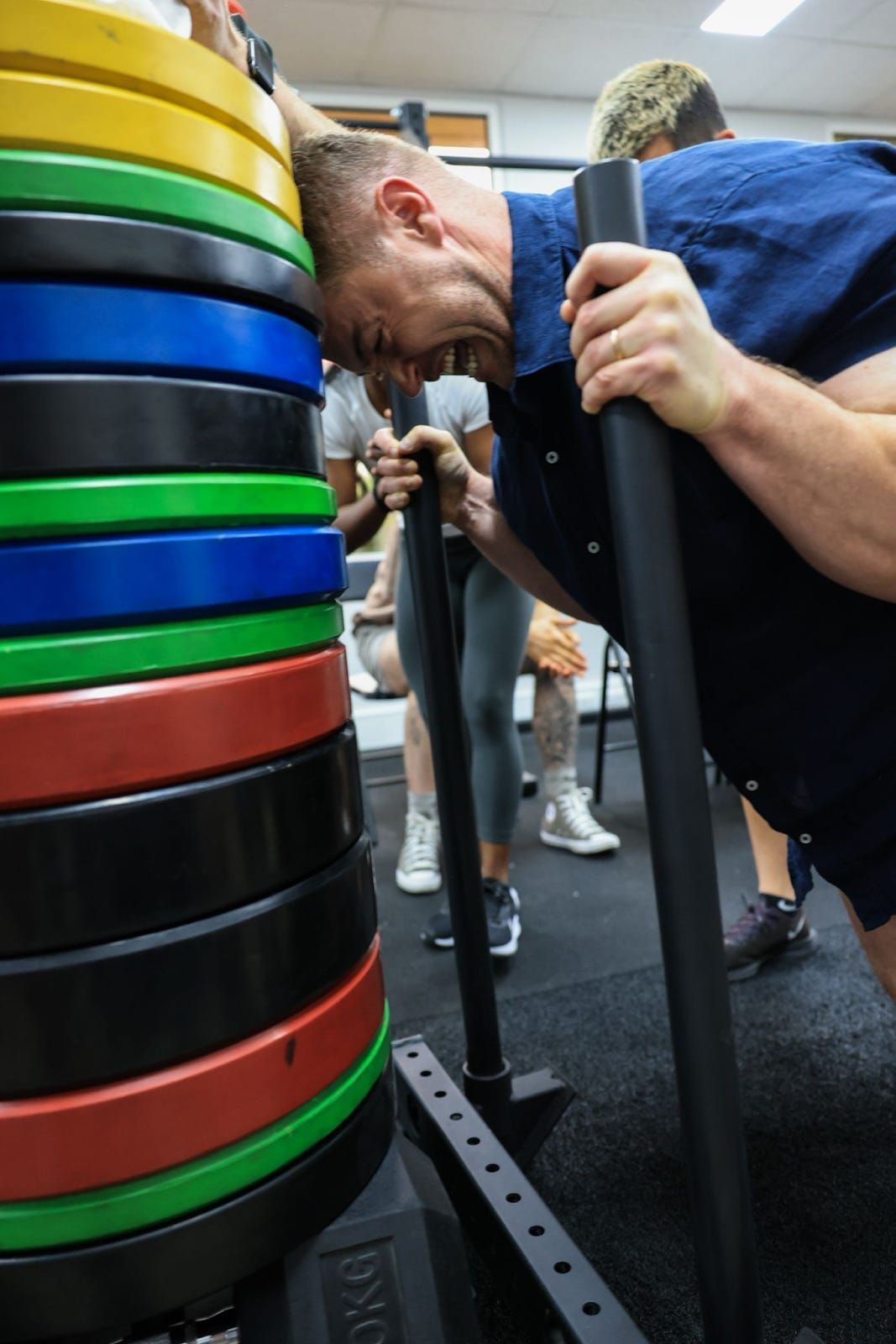
One of the most important studies in this area is the LIFTMOR trial, which investigated the safety and effectiveness of high-intensity resistance and impact training (HiRIT) in postmenopausal women with low to very low bone mineral density (BMD). Participants were over 58 years of age and had a T-score of -1.0 or lower at the hip or spine. The HiRIT group progressively worked up to lifting approximately 85% of their one-repetition maximum (1RM) and performed deadlifts, squats, overhead presses, and jumping exercises twice per week using a 5 × 5 format. The control group completed a low-intensity exercise program.
Importantly, despite the high loading involved, the HiRIT group did not experience an increased incidence of vertebral fractures over the 8-month intervention period. Participants underwent imaging at both baseline and follow-up, providing evidence that appropriately prescribed heavy resistance training can be performed safely in this population.
What does this tell us about the best exercises for spinal osteoporosis?
The LIFTMOR trial provides evidence that heavy deadlifts, squats, overhead presses, and impact exercises such as jumping is likely to be safe and effective when properly prescribed and supervised. However, this does not mean that every person with osteoporosis should immediately perform these exact exercises.
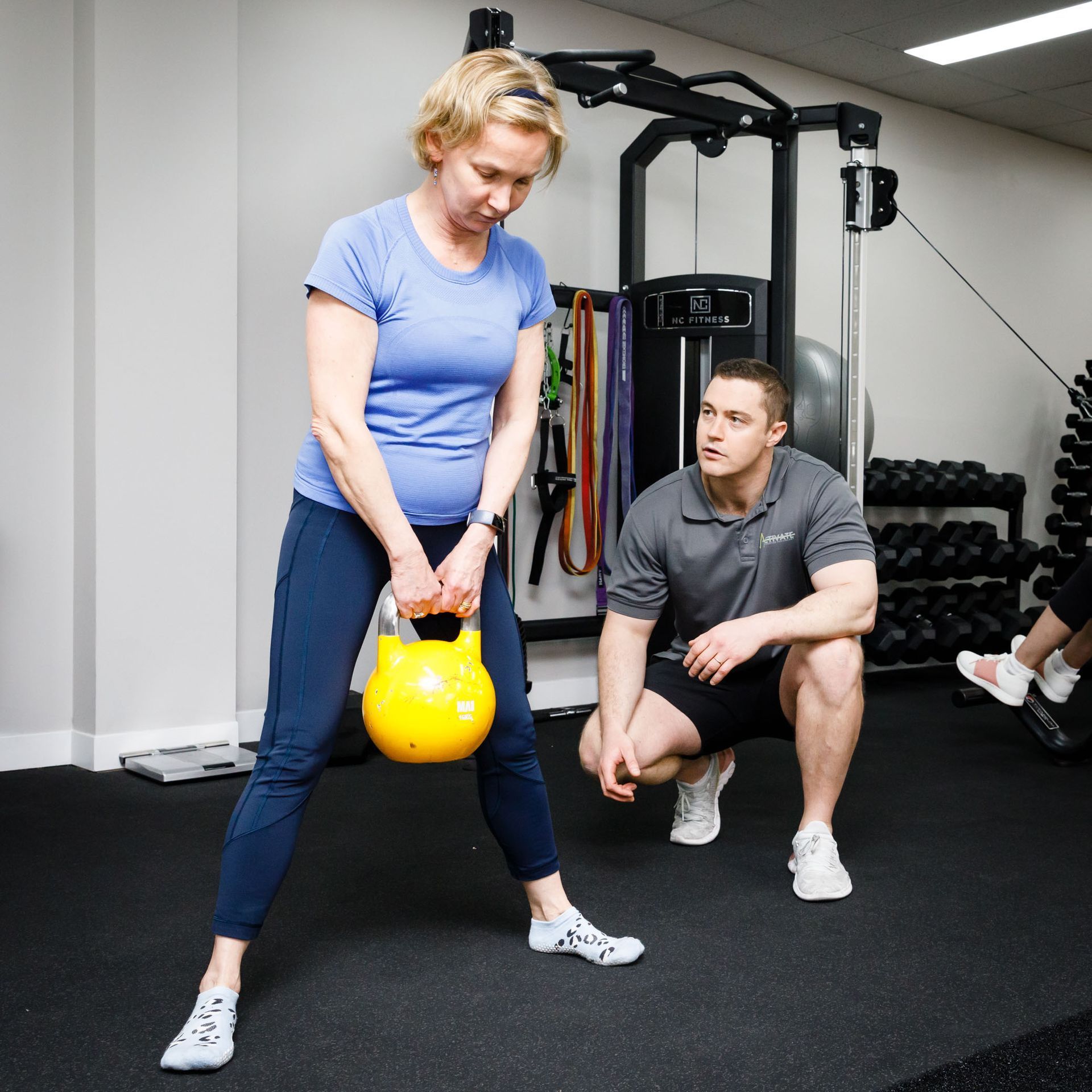
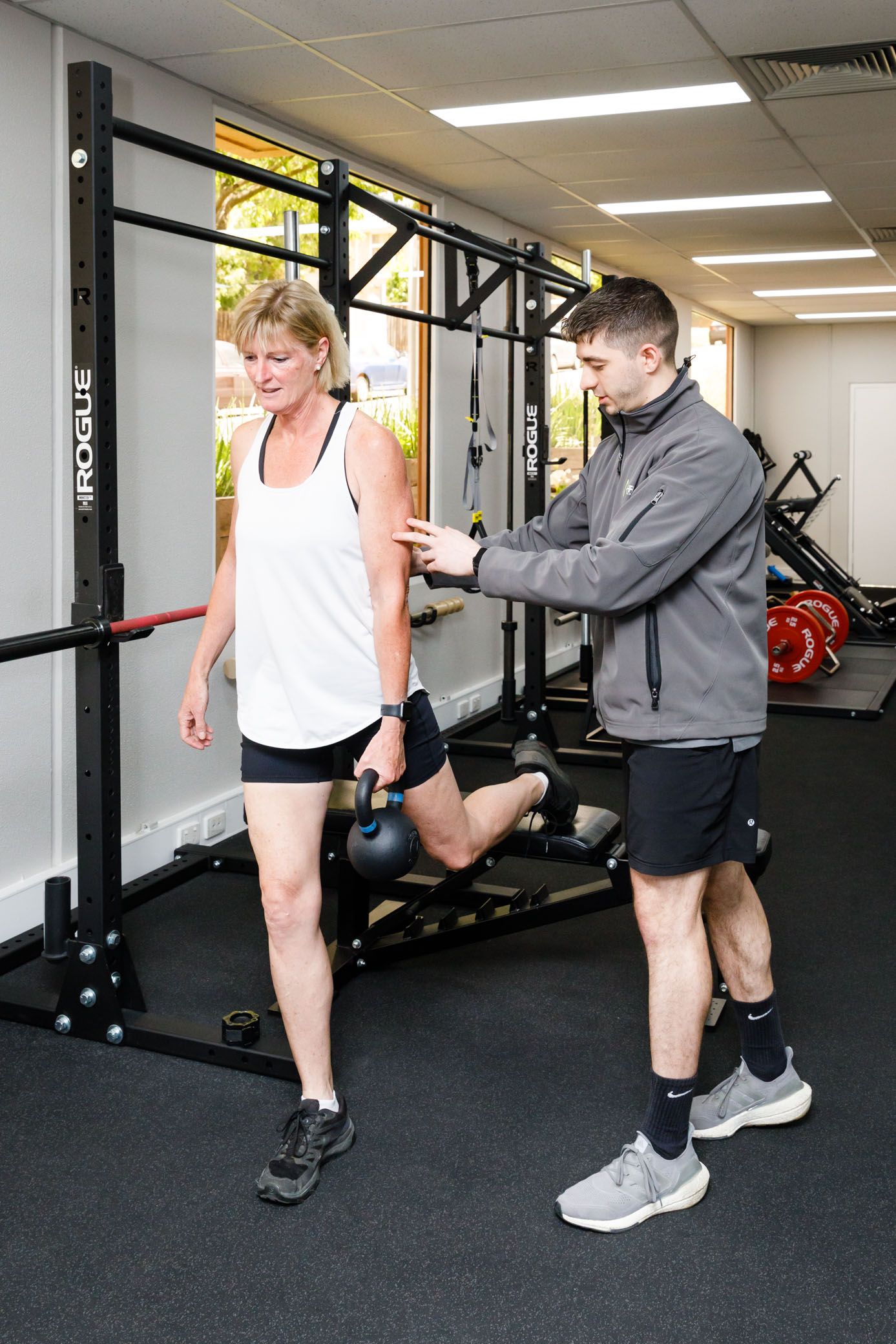
Every individual has unique limitations, movement capacities, injury histories, and levels of confidence, and this trial excluded women with co-morbidities. It is common for people in their 60s to have co-morbidities, including osteoarthritis, diabetes, or previous muscle injuries. For this reason, exercise programs should be personalised. An Exercise Physiologist (EP) can assess the individual and determine the most appropriate starting point, selecting alternative exercises where necessary while still targeting the same physical qualities. The long-term goal may be to work toward exercises such as deadlifts, squats, overhead presses, and impact loading, but the pathway to these exercises will vary between individuals.
The key message from the LIFTMOR trial is that resistance training for some people with spinal osteoporosis can be effective. While the specific exercises performed may differ from person to person, a well-designed, individualised program can progressively build toward higher levels of loading that support bone health and physical function.
A Deeper Dive into the LIFTMOR Trial
Study Design
The trial involved 8 months of supervised HiRIT, consisting of 30-minute sessions performed twice per week. The program included four exercises: the deadlift, overhead press, back squat, and jumping chin-ups. Training intensity was greater than 80–85% of 1RM, performed as 5 sets of 5 repetitions. Sessions were supervised with a maximum of 8 participants. The comparison group completed an unsupervised, low-intensity home-based exercise program.
This is a very high-intensity program and may not be achievable or advised for everyone.
Participants
Participants were postmenopausal women older than 58 years with a T-score of less than -1.0 at the hip or spine. Women were excluded if they had a lower limb joint injury or surgery, a recent fracture (within the previous 12 months), localised back pain, uncontrolled cardiovascular disease, cognitive impairment, hyperparathyroidism, diabetes, immobility, or long-term corticosteroid use.
A total of 406 women consented to participate, but only 101 met the inclusion criteria, meaning only 25% were eligible. Fifteen participants dropped out of the trial, with one injury reported in the HiRIT group, identified as a lower back strain.
The exclusion of women with co-morbidities is problematic, as it can be expected that many people in their 60s will have other health concerns. The fact that only 25% of women who applied to participate were eligible suggests that this program may only be suitable for a relatively narrow group of women with osteoporosis.
Discussion
The authors stated that “although we observed no serious adverse events in the LIFTMOR trial, we were not adequately powered to assess safety as an outcome.” They also noted that they studied a relatively healthy population and that their findings may not be applicable beyond that population.
This raises an important question. If the study was not adequately powered to assess safety as an outcome, can it confidently conclude that the intervention is safe? The study can conclude that the intervention was effective within the population studied, but the strength of any conclusions regarding safety is less clear.
At the same time, there is an inherent risk in any exercise program. While clinicians can attempt to manage factors that may contribute to injury, the ability to completely prevent injury is limited.
What’s on- 2025 Fundraiser- Andale School
Last month, we had the pleasure of visiting Andale School, our 2025 fundraising recipient, to see first-hand the impact of our community’s generosity.
Thanks to the incredible support of our community, Andale has recently installed a brand-new jungle gym at their Kew campus. The Andale team shared just how popular it has become, with students eager to use it every day! In fact, it’s been such a hit that they’ve introduced a four-student-at-a-time limit to ensure everyone gets a turn.
Principal Rachel explained that the new playground provides students with a fantastic opportunity to regulate, stay active, and engage in creative play during recess.
A huge thank you to Andale for welcoming us and showing us the difference our fundraising efforts have made. And an even bigger thank you to the amazing Activate community for supporting another wonderful local school.
It’s incredible to see the positive impact your generosity can have within our community. Thank you again for helping make projects like this possible.
It’s Time to Axe The Tax on Health
Australian’s shouldn’t be paying tax on essential healthcare, but right now, they do.
Exercise physiologists are essential to help people manage conditions like diabetes, cardiovascular disease, obesity and mental illness. But there’s a catch: it’s still taxed.
Under current legislation, exercise physiology is still subject to the Goods and Services Tax (GST). That means Australians pay an extra 10% every time they see an exercise physiologist.
What this means
Higher costs for patients managing chronic illness and injury
Barriers to access for vulnerable communities
Disincentives to use effective, preventive care
When the GST was introduced in 2000, healthcare was made tax-free and rightly so. But Exercise Physiology was left out. At the time, it was an emerging field. That is no longer the case.
Today, exercise physiologists are recognised by Medicare, the Department of Veterans’ Affairs, the NDIS and private health insurers. They provide evidence-based clinical care for Australians living with chronic disease, disability and complex health conditions.
This is not a matter of policy design. It is an oversight that has never been corrected. Amending Section 38-10 of the A New Tax System (Goods and Services Tax) Act 1999 would fix it.
Together, we can create change. Here’s what you can do:
Sign the petition: Add your voice!
Client Spotlight- Peter
A huge shout-out to one of our amazing Activate clients, Peter!
Peter was first introduced to Activate in 2022 after being recommended by friends to help improve his general fitness and water-skiing performance. Since then, his journey has taken him from building confidence on the water to competing at the highest level.
In 2026, Peter competed at the Australian Nationals at Lake Mulwala, taking home a bronze medal in slalom. He then received a wild card invitation to represent Team Australia at the Over 35 World Water ski Championships in Calgary, Canada, competing in the Over 70 Men’s Slalom.
To prepare for the competition, Peter increased his gym training to three sessions a week, focusing on building the strength and fitness required to compete at an international level.
And he achieved his goal! Peter set a personal best on the world stage, completing 2 buoys at 52 km/h.
One of the biggest highlights for Peter was wearing the green and gold and representing Australia alongside an incredible team of Australian athletes.
Peter says: “I believe maintaining muscle and strength training creates a better standard of general health as I get older. The one-on-one training I receive with Nadunie and the team helps me with every exercise.”
With his sights now set on being selected for the 2028 Over 35 World Championships in Chicago, we can’t wait to see what’s next!
Well done, Peter! We’re so proud to be part of your journey and can’t wait to see you back on the water.
Did you know?
Understanding Speech Sound Disorders
Not all speech sound disorders are the same. While children may present with similar speech difficulties, the underlying cause can be very different. Making the correct diagnosis is essential in order to select the most appropriate treatment option.
Articulation and phonology are different
Articulation disorders occur when a child has difficulty physically producing a speech sound, often affecting just one or a few sounds (such as lisps or the /L/ sound). In contrast, phonological disorders occur when a child can make the sounds but uses incorrect or non-age appropriate speech patterns or “rules”, resulting in substitutions or omissions across multiple sounds.
Assessment is about much more than saying sounds
A speech assessment is much more comprehensive than simply testing whether a child can pronounce certain words. Speech pathologists also consider case history, oral muscle structure and function, production of sounds in mono- and polysyllabic words, connected speech, phonological awareness and how speech errors affect everyday communication. This helps ensure the correct diagnosis is made before treatment begins.
Some speech disorders affect planning, not muscles
Not all speech difficulties are caused by weak muscles. Childhood Apraxia of Speech (CAS) is a motor planning disorder, meaning the brain has difficulty planning and coordinating the movements needed for clear speech. Children with CAS often make inconsistent errors, have difficulty with longer words, present with vowel errors and may struggle with speech rhythm and stress patterns.
Early assessment helps guide the right intervention
Different speech sound disorders require different treatment approaches. Taking the time to complete a thorough assessment allows the speech pathologist to identify the underlying difficulty and develop an individualised therapy plan that targets the child’s specific needs.
Key Takeaways
Not all speech sound disorders have the same cause.
A thorough assessment is essential before beginning therapy.
The best outcomes occur when treatment is matched to the child’s specific speech difficulty.
By Olivia Williams, Speech Pathologist
Get to know…Elsa!
Elsa completed a Bachelor of Occupational Therapy (Honours) from Monash University. Elsa has worked with a diverse range of clients across both paediatric and adult settings, as well as previous experience in a private paediatric clinic and subacute hospital setting.
Elsa is passionate about helping people build the skills and confidence they need to participate in everyday activities and achieve the goals that are meaningful to them. She particularly enjoys working with children and young adults and is committed to creating a supportive environment where clients can grow and progress.
Elsa also values collaborative care, working closely with families and other members of the multidisciplinary team to support meaningful outcomes. She is passionate about promoting health and wellbeing for people with disabilities and is excited to continue developing her skills as part of the Activate team.
Things you might not know about Elsa!
Elsa’s all time favourite movie is Inception and is currently watching Silo
Elsa’s favourite food is beef stew
Elsa loves going out for walks or staying at the beach on a warm day (not too hot or cold).
The Knowledge Hub
5 min guide to what we are learning about this month (click the heading below to read more):
click here → A Bee Sting is a Great Analogy for Pain
Thanks for reading Activate Allied Health's Newsletter - We would love your feedback or thoughts!