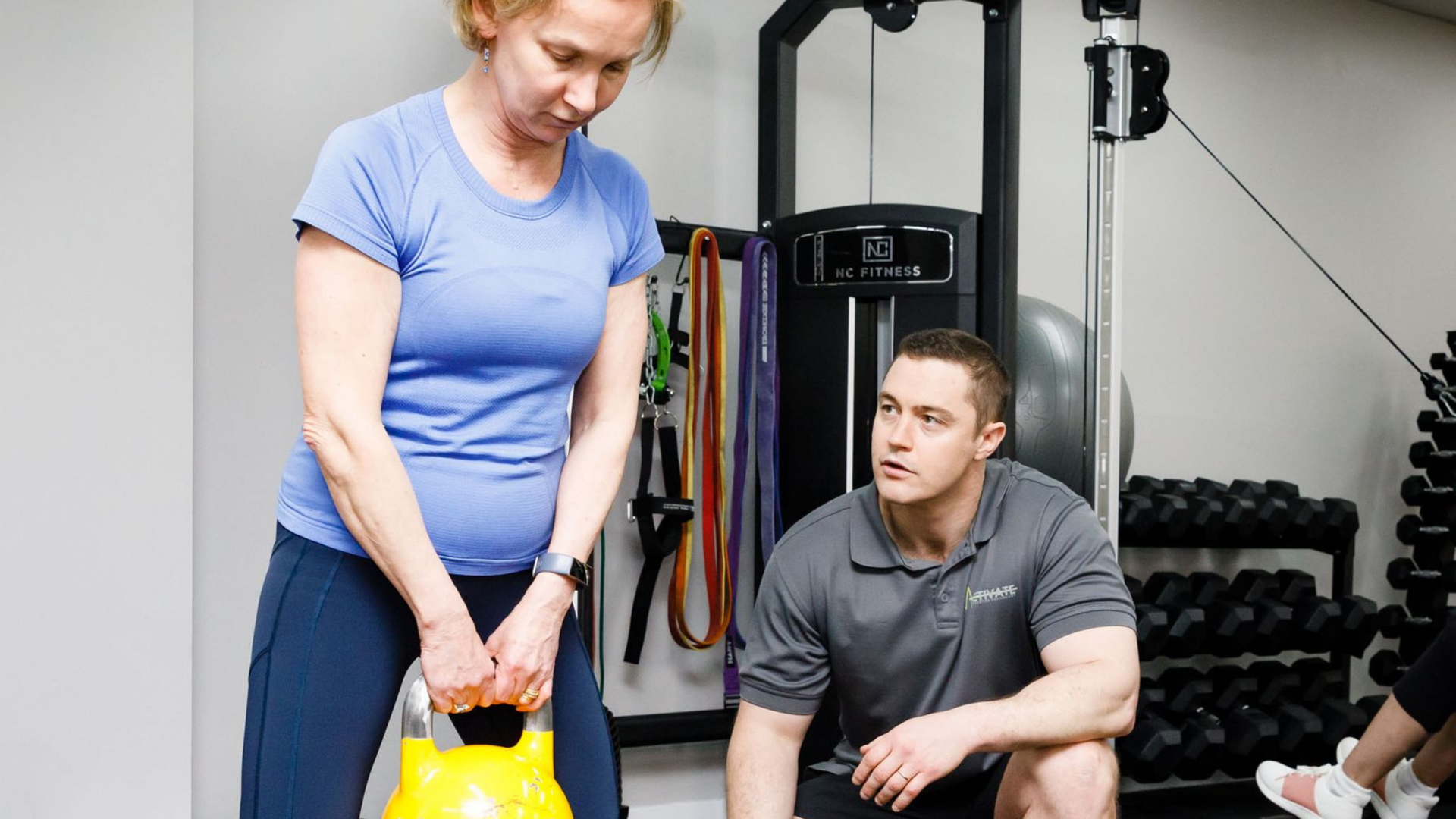
The Best Way to Manage Tendinopathy
Understanding Tendinopathy
Tendinopathy is a condition affecting tendons, often caused by overuse, repetitive strain, or age-related degeneration. It can present as either acute inflammation or chronic tendon degeneration. Common areas affected include the Achilles tendon, gluteal tendon, rotator cuff, patellar tendon, and the elbow, commonly known as tennis or golfer’s elbow. These conditions can lead to discomfort, pain, and movement limitations.
What Causes Tendinopathy?
Tendinopathy is primarily caused by overload, repetitive motions, or sudden increases in activity intensity, which can lead to changes in tendon tissue.
There are several risk factors associated with tendinopathy that can be divided into modifiable and non-modifiable categories.
Modifiable Risk Factors
- Strength
- Flexibility
- Biomechanics
- Metabolic disorders such as diabetes or arthritis
- Weight
- Hormonal influences
- Sleep and stress
Non-Modifiable Risk Factors
- Age-related degeneration
- Gender
- Genetics
- Structural characteristics
- Previous injuries
- Drug exposure
It is important to recognise the interplay between modifiable and non-modifiable risk factors. A holistic approach focused on managing modifiable factors can help reduce risk and support tendon health.
How Is Tendinopathy Diagnosed?
Tendinopathy is diagnosed through a combination of clinical assessment and physical examination.
A clinical assessment may include:
- Understanding an individual’s history
- Reviewing individual signs and symptoms
Exercise Physiologists will typically begin with a physical examination, including:
- Evaluating pain, tenderness, and movement restrictions
- Inquiring about activity levels, including recent increases in physical load
- Assessing the presence of other health conditions
Typical clinical presentations include:
- Localised pain
- Discomfort following a sudden increase in activity
- Pain aggravated by continuous load, though it may temporarily improve during movement
- A proportional relationship between load and pain
- Pain and stiffness in the mornings
While imaging may reveal structural changes such as degeneration, it cannot definitively differentiate between a tendon tear and severe tendinopathy. Imaging should not be used as the sole diagnostic tool and is primarily helpful for ruling out other conditions or identifying referred pain from different areas.
How Does Exercise Influence Tendinopathy?
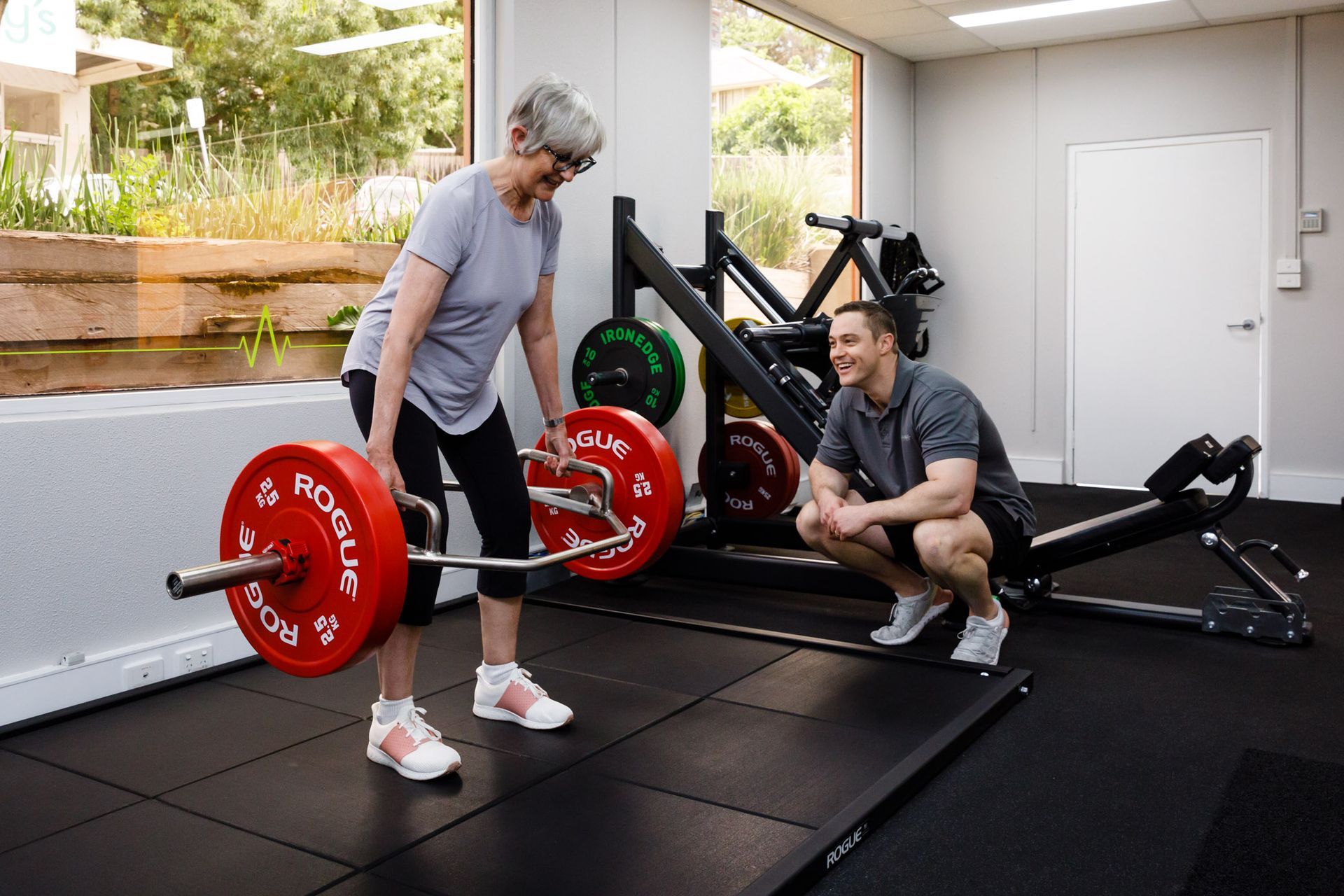
Exercise is one of the most effective tools for treating and strengthening tendons affected by tendinopathy. Loading the tendon and surrounding muscles through exercise can help with immediate pain reduction and strengthen the muscle-tendon unit.
Properly structured exercise programs help to:
- Stimulate tendon repair
- Enhance tendon quality and strength
- Restore overall function
What Is the Best Way to Manage Tendinopathy?
There are three essential interventions for managing tendinopathy:
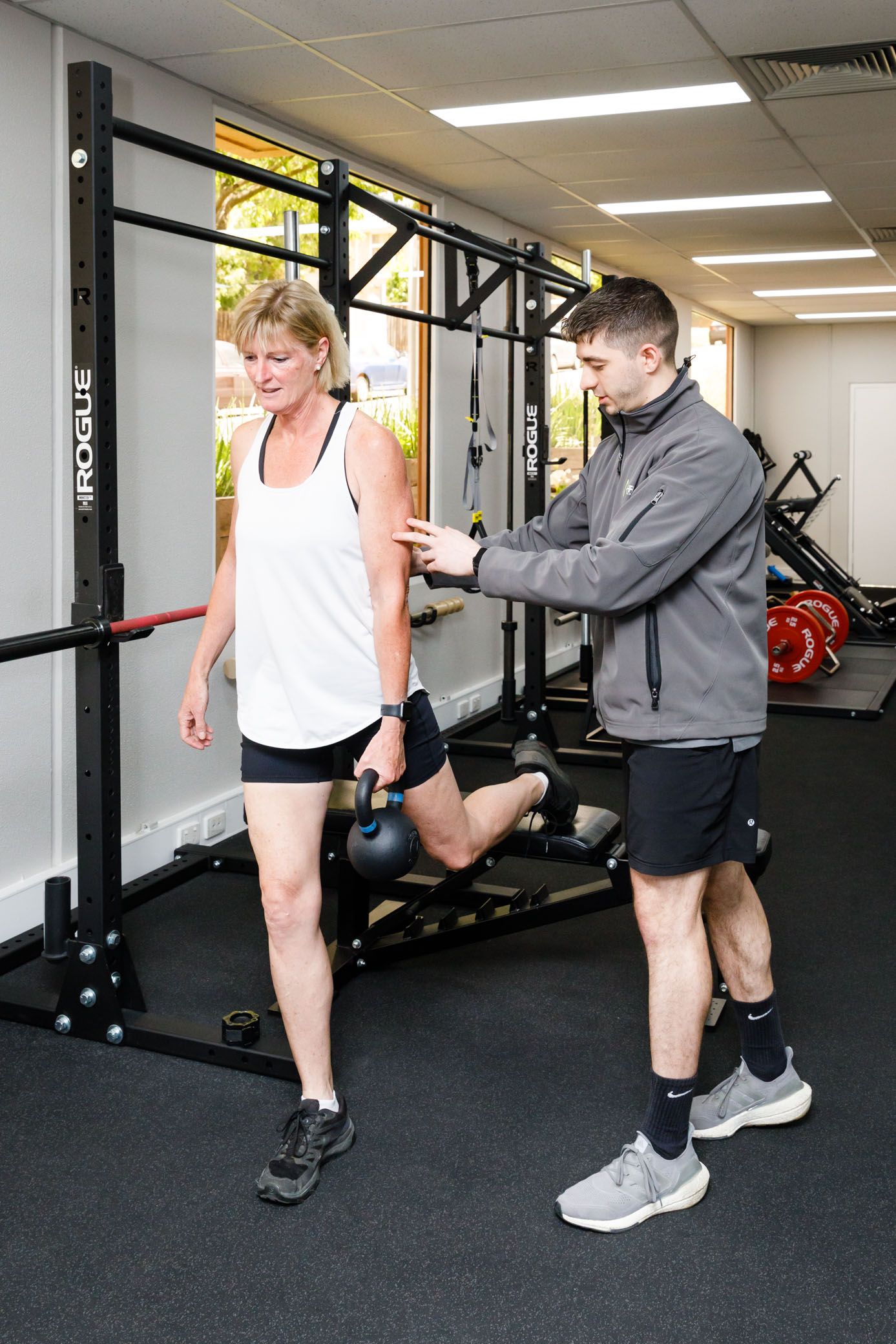
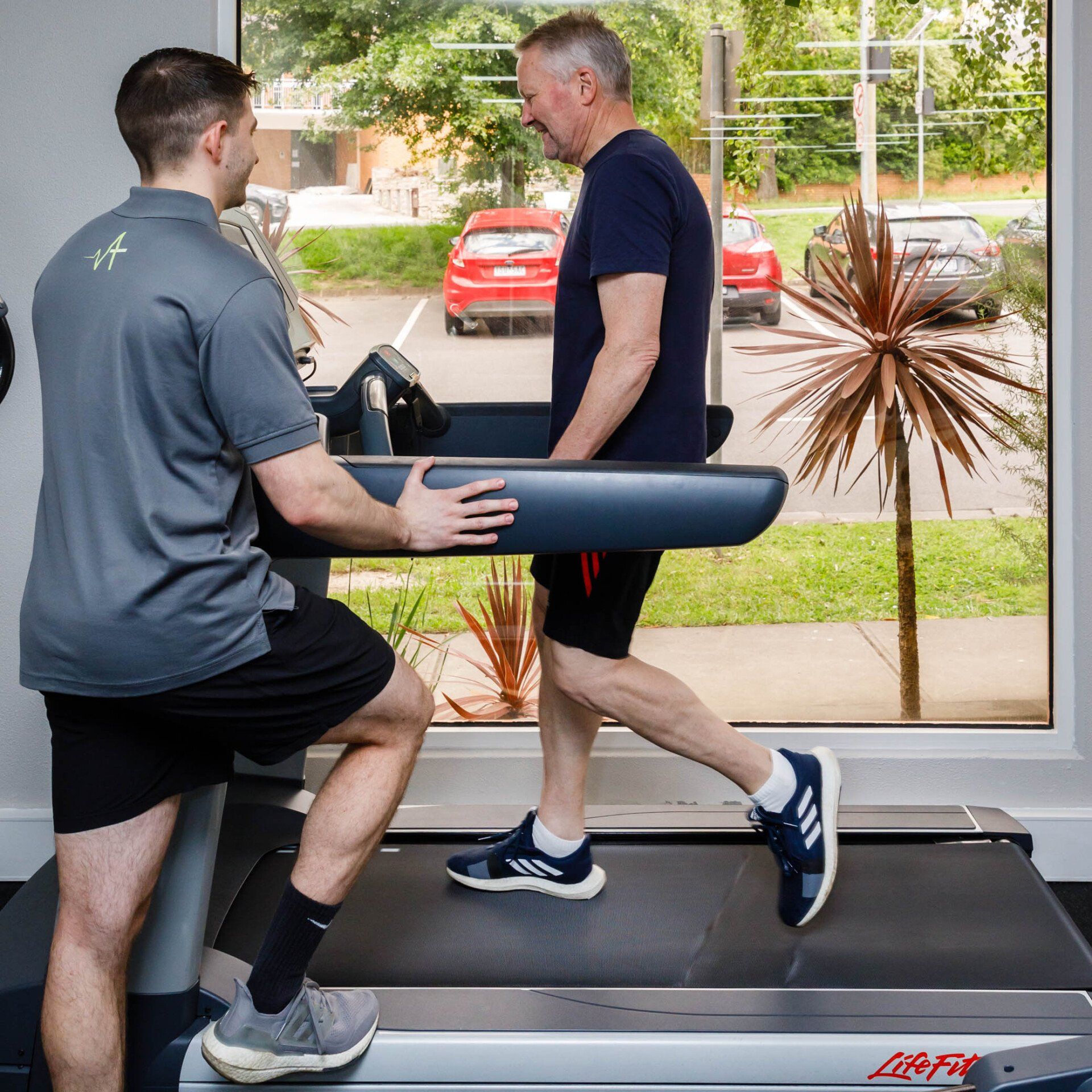
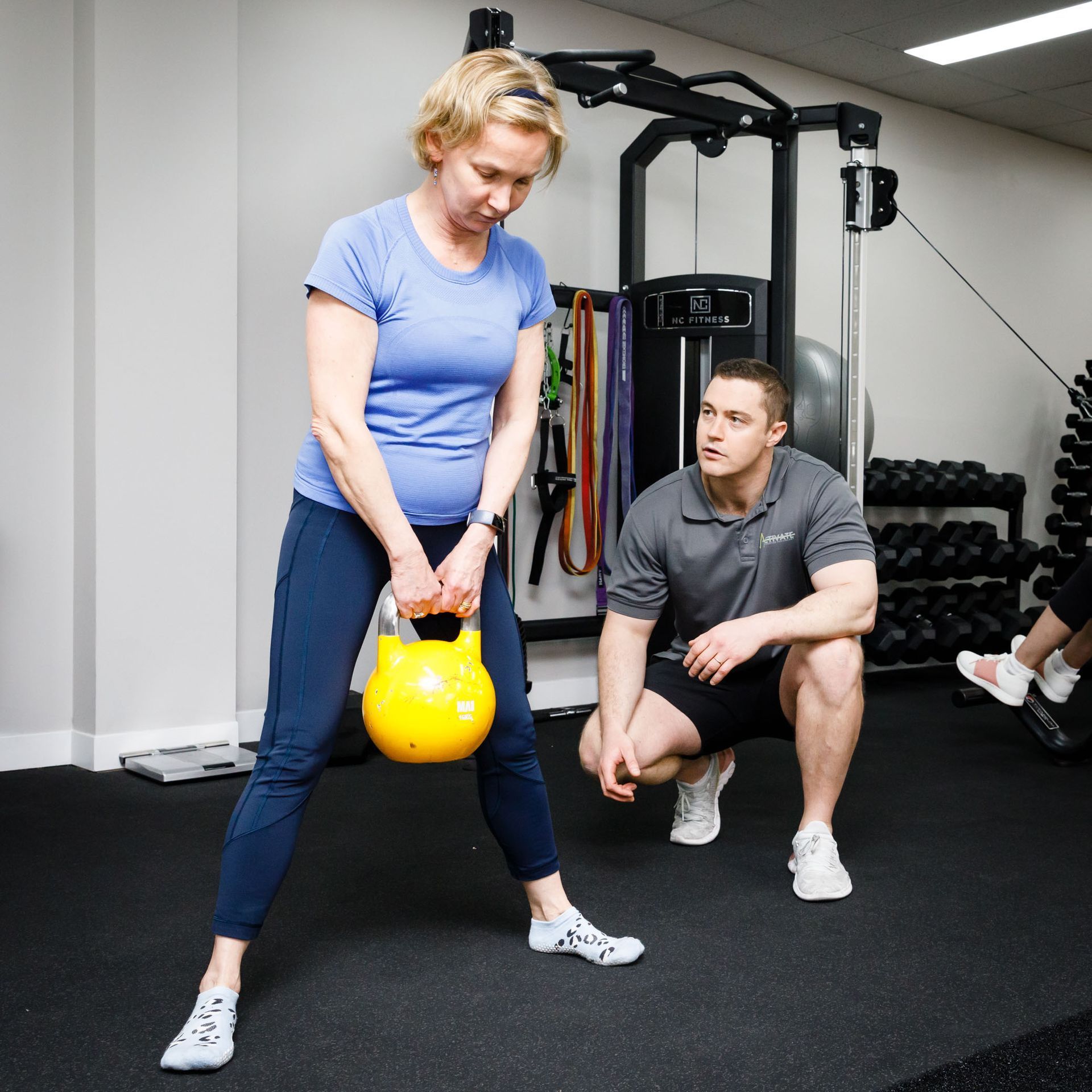
- Implementing an individualised exercise plan to gradually progress exposure to load for better tolerance and function
- Managing load outside the rehabilitation program
- Understanding pain, managing risk factors, and learning how to manage exercise load
When managing tendinopathy through an exercise rehabilitation program, it is important to consider an individual’s response to physical stress. This is measured through load tolerance.
Load tolerance refers to the amount of pain-free force an individual can produce or absorb for a specific movement over a specified period of time while still maintaining control of the movement.
Adequate load tolerance includes:
- Acceptable pain during activity
- Pain that settles within a day
What Is Acceptable Pain?
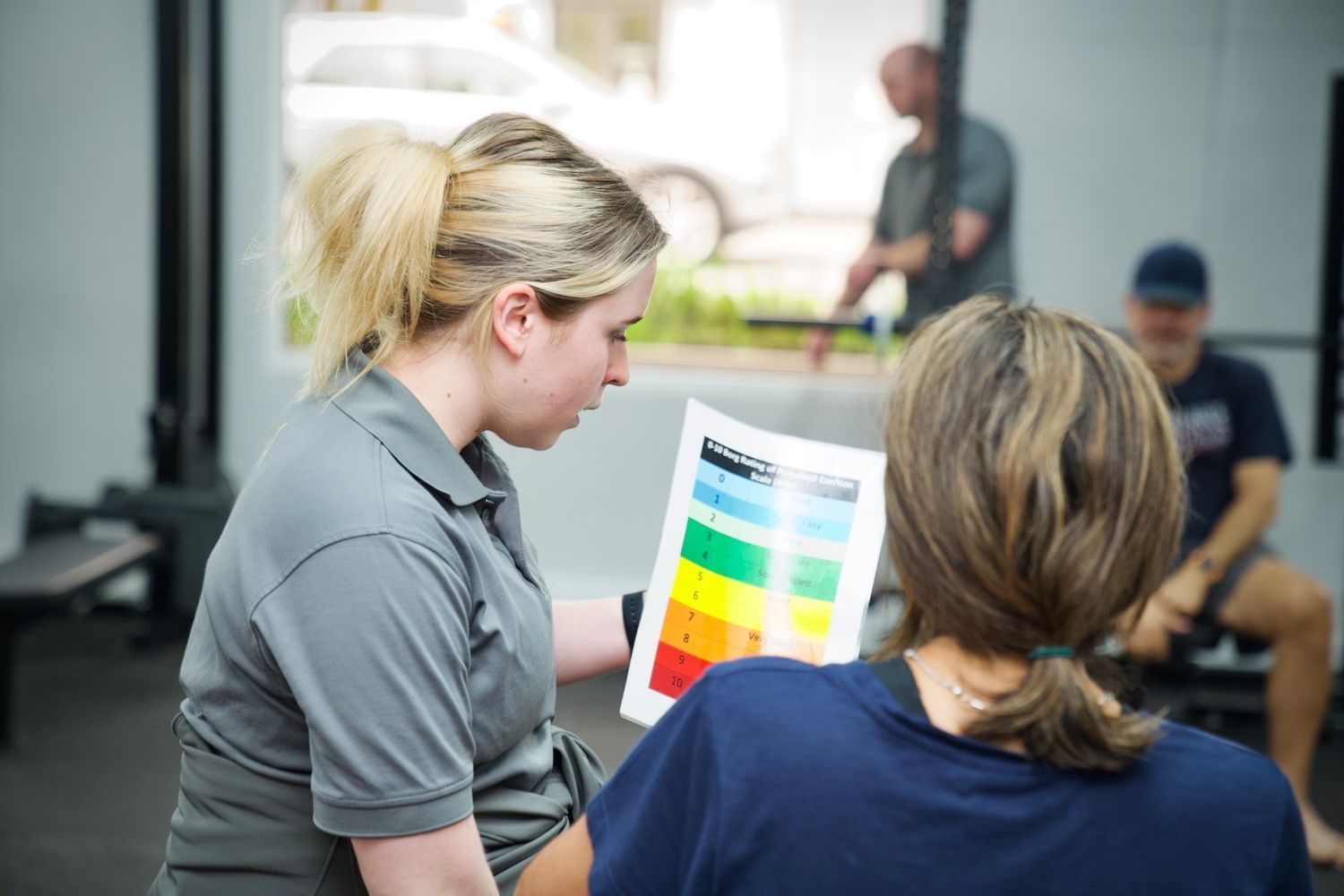
Training within a pain range of 0–4 out of 10 is considered acceptable. Pain rated 5 out of 10 or higher may be problematic.
Exercise Recommendations
For any exercise rehabilitation program, it is important to gradually and progressively load the tendon and muscle while remaining within acceptable load tolerance parameters. Load response should continue to be monitored throughout the program.
Example Exercise Loading Progressions for Patellar Tendinopathy
- Knee extension
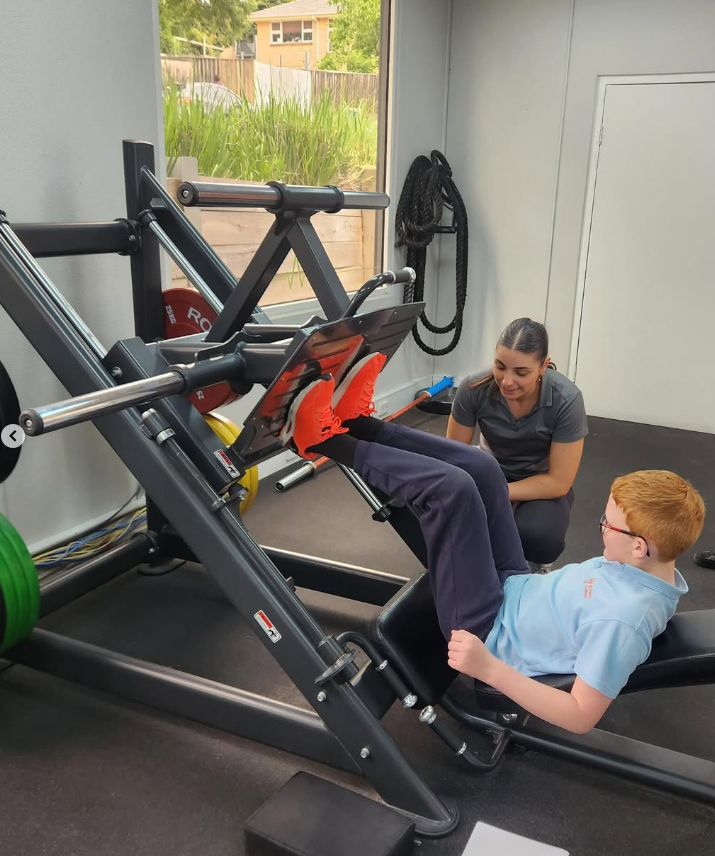
- Leg press (double then single)
- Split squat
- Step up
- Walking lunges
- Higher step for step up
- Jumping and hopping
- Split jumps
- Maximal forward hop
References
Goom, T.S., Malliaras, P., Reiman, M.P. and Purdam, C.R., 2016. Proximal hamstring tendinopathy: clinical aspects of assessment and management. Journal of Orthopaedic & Sports Physical Therapy, 46(6), pp.483–493.
Malliaras, P. and O’Neill, S., 2017. Potential risk factors leading to tendinopathy. Apunts. Medicina de l’Esport, 52(194), pp.71–77.
Malliaras, P., Cook, J., Purdam, C. and Rio, E., 2015. Patellar tendinopathy: clinical diagnosis, load management, and advice for challenging case presentations. Journal of Orthopaedic & Sports Physical Therapy, 45(11), pp.887–898.
Malliaras, P., 2024. Mastering Lower Limb Tendinopathy 5th edition ONLINE.