Rethinking Pain in Exercise: A Journey Beyond Discomfort

admin • October 31, 2024

Rethinking Pain in Exercise: A Journey Beyond Discomfort

As an accredited exercise scientist and exercise physiologist, I've journeyed through the intricate landscape of pain and exercise. My observations have led me to a provocative yet crucial discussion point: the often exaggerated response to pain in exercise settings. This blog aims to delve into this notion, inviting reflection and professional discourse.


A Personal Observation: The Startling Revelation


Let me start with a compelling example from my practice. A client, let's call them Alex, experienced chronic knee pain. They perceived this pain as a strict limitation, creating a mental blockade against certain exercises. However, upon careful assessment and gradual exposure to specific movements, Alex's pain diminished significantly. This transformation wasn't just physical – it was deeply psychological. 


It begs the question: how often is our perception of pain more a barrier than the pain itself?


Decoding Pain in Exercise: More Than Just a Signal


Pain in exercise is often a complex interplay between physical sensation and psychological response. It's not merely a signal from our bodies, but also a reflection of our mental state. Studies suggest that the perception of pain can be influenced by factors like emotional state, past experiences, and even cultural background. Recognizing the subjective nature of pain can help us approach it more constructively. For clients, this means learning to differentiate between harmful pain and discomfort that signals growth. For practitioners, it involves guiding clients through this understanding and helping them build resilience.


Psychological Barriers: Fear, Mental Blocks, and Guarding


The guarding response, while protective, can sometimes exacerbate issues by creating a cycle of fear and avoidance. This psychological barrier not only hampers physical recovery but can also lead to a decreased quality of life. The fear-avoidance model shows that fear of pain can lead to avoidance behaviors, ultimately resulting in more pain and disability. To break this cycle, both clients and practitioners should focus on graded exposure to feared activities, cognitive restructuring to address unhelpful beliefs about pain, and relaxation techniques to reduce overall stress and tension.


Navigating Discomfort: When to Push, When to Pause


The decision to push through pain or to pause and rest is nuanced and should be made carefully. Understanding the difference between the pain of injury and the discomfort of muscular effort is crucial. While the former may require rest and medical attention, the latter is often a natural part of exercise adaptation and growth. Education on this distinction is key. Encouraging clients to listen to their bodies and seek professional guidance when unsure can prevent unnecessary setbacks and foster healthy progress.


From Observation to Action: Three Practical Strategies


Implementing practical, actionable strategies can empower individuals to better manage their response to pain in exercise. These strategies, including gradual exposure, mindfulness, and professional guidance, are grounded in research and practice. They provide a roadmap for individuals to navigate their pain and fears more effectively. Implementing these strategies requires commitment and consistency.


Gradual Exposure: Start with low-impact exercises and gradually increase intensity. This approach helps in understanding and differentiating pain from discomfort.

Mindfulness Techniques:: Practicing mindfulness can aid in distinguishing between fear-induced pain perception and actual physical pain.

Professional Guidance: Consulting with exercise professionals can provide personalized strategies to navigate and manage pain effectively.


Concluding Thoughts:
Beyond Pain, Towards Understanding


This discussion is not just about pain in the physical sense. It’s about understanding the interplay between our physical sensations and psychological responses. It's about challenging our assumptions and biases about pain and exercise.


In advocating for a nuanced view of pain in exercise, my goal is not to oversimplify or disregard the complexity of pain. It's to encourage a deeper, more comprehensive understanding and approach to exercise, pain management, and overall well-being.


What does this mean for you? A reflection


I urge you, the reader, to reflect on your experiences. How has your perception of pain influenced your approach to exercise? Share your experiences below.


*Disclaimer: This blog post is intended for discussion and reflection, not as medical advice. Always consult with healthcare professionals for personalized guidance, especially in the presence of pain or injury.*
June 18, 2026
If you've ever been told to rest, get a massage, or wait for your back pain to settle, this episode might change the way you think about recovery.
June 15, 2026
Understanding Tendinopathy Tendinopathy is a condition affecting tendons, often caused by overuse, repetitive strain, or age-related degeneration. It can present as either acute inflammation or chronic tendon degeneration. Common areas affected include the Achilles tendon, gluteal tendon, rotator cuff, patellar tendon, and the elbow, commonly known as tennis or golfer’s elbow. These conditions can lead to discomfort, pain, and movement limitations. What Causes Tendinopathy? Tendinopathy is primarily caused by overload, repetitive motions, or sudden increases in activity intensity, which can lead to changes in tendon tissue. There are several risk factors associated with tendinopathy that can be divided into modifiable and non-modifiable categories. Modifiable Risk Factors Strength Flexibility Biomechanics Metabolic disorders such as diabetes or arthritis Weight Hormonal influences Sleep and stress Non-Modifiable Risk Factors Age-related degeneration Gender Genetics Structural characteristics Previous injuries Drug exposure It is important to recognise the interplay between modifiable and non-modifiable risk factors. A holistic approach focused on managing modifiable factors can help reduce risk and support tendon health. How Is Tendinopathy Diagnosed? Tendinopathy is diagnosed through a combination of clinical assessment and physical examination. A clinical assessment may include: Understanding an individual’s history Reviewing individual signs and symptoms Exercise Physiologists will typically begin with a physical examination, including: Evaluating pain, tenderness, and movement restrictions Inquiring about activity levels, including recent increases in physical load Assessing the presence of other health conditions Typical clinical presentations include: Localised pain Discomfort following a sudden increase in activity Pain aggravated by continuous load, though it may temporarily improve during movement A proportional relationship between load and pain Pain and stiffness in the mornings While imaging may reveal structural changes such as degeneration, it cannot definitively differentiate between a tendon tear and severe tendinopathy. Imaging should not be used as the sole diagnostic tool and is primarily helpful for ruling out other conditions or identifying referred pain from different areas. How Does Exercise Influence Tendinopathy? Exercise is one of the most effective tools for treating and strengthening tendons affected by tendinopathy. Loading the tendon and surrounding muscles through exercise can help with immediate pain reduction and strengthen the muscle-tendon unit. Properly structured exercise programs help to: Stimulate tendon repair Enhance tendon quality and strength Restore overall function What Is the Best Way to Manage Tendinopathy? There are three essential interventions for managing tendinopathy: Implementing an individualised exercise plan to gradually progress exposure to load for better tolerance and function Managing load outside the rehabilitation program Understanding pain, managing risk factors, and learning how to manage exercise load When managing tendinopathy through an exercise rehabilitation program, it is important to consider an individual’s response to physical stress. This is measured through load tolerance. Load tolerance refers to the amount of pain-free force an individual can produce or absorb for a specific movement over a specified period of time while still maintaining control of the movement. Adequate load tolerance includes: Acceptable pain during activity Pain that settles within a day What Is Acceptable Pain? Training within a pain range of 0–4 out of 10 is considered acceptable. Pain rated 5 out of 10 or higher may be problematic. Exercise Recommendations For any exercise rehabilitation program, it is important to gradually and progressively load the tendon and muscle while remaining within acceptable load tolerance parameters. Load response should continue to be monitored throughout the program. Example Exercise Loading Progressions for Patellar Tendinopathy Knee extension Leg press (double then single) Split squat Step up Walking lunges Higher step for step up Jumping and hopping Split jumps Maximal forward hop References Goom, T.S., Malliaras, P., Reiman, M.P. and Purdam, C.R., 2016. Proximal hamstring tendinopathy: clinical aspects of assessment and management. Journal of Orthopaedic & Sports Physical Therapy, 46(6), pp.483–493. Malliaras, P. and O’Neill, S., 2017. Potential risk factors leading to tendinopathy. Apunts. Medicina de l’Esport, 52(194), pp.71–77. Malliaras, P., Cook, J., Purdam, C. and Rio, E., 2015. Patellar tendinopathy: clinical diagnosis, load management, and advice for challenging case presentations. Journal of Orthopaedic & Sports Physical Therapy, 45(11), pp.887–898. Malliaras, P., 2024. Mastering Lower Limb Tendinopathy 5th edition ONLINE.
June 12, 2026
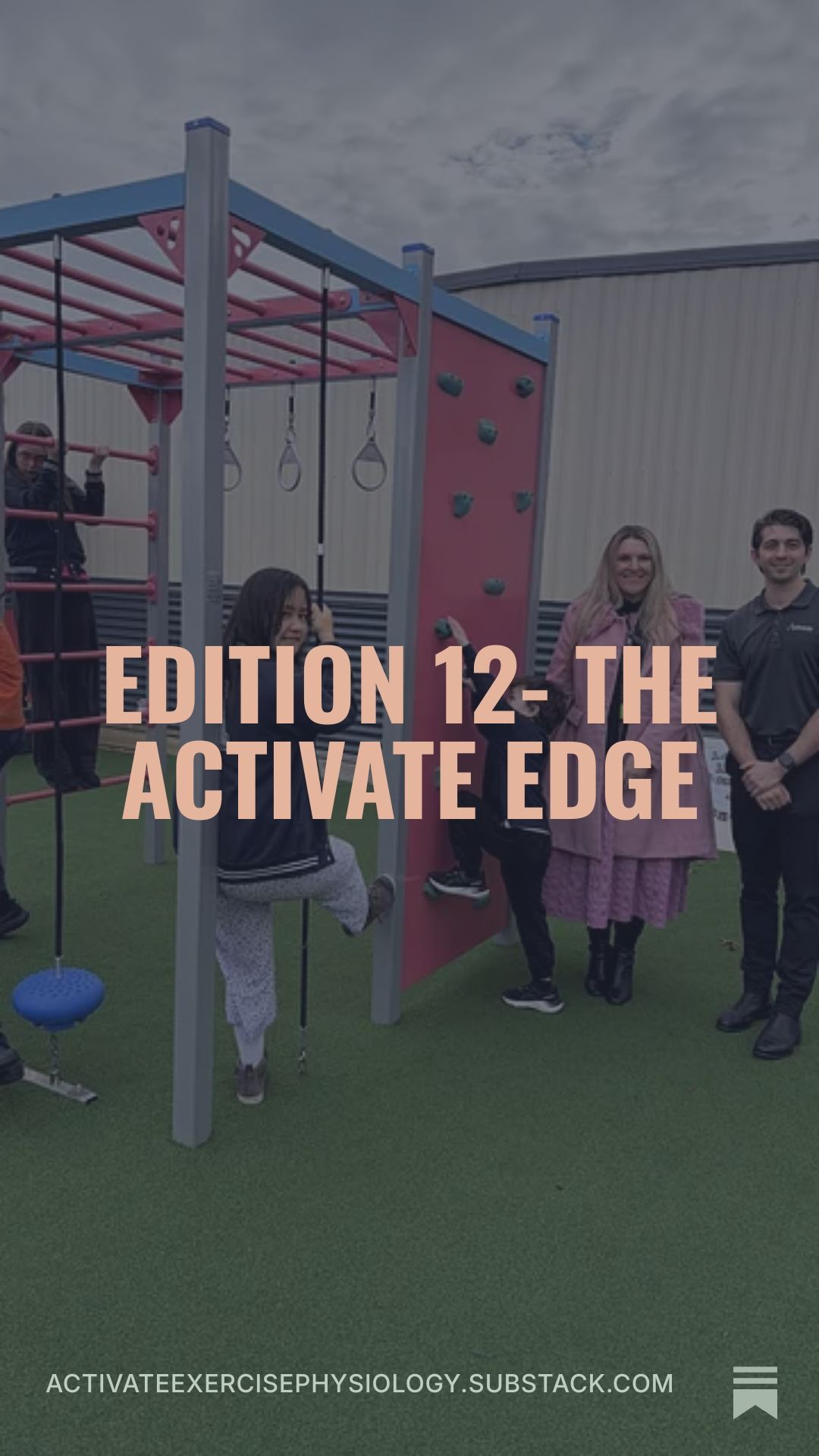
Learn how we raised funds for local schools over 4 years. Join us in supporting our community through the Sled Challenge Fundraiser!
April 17, 2026
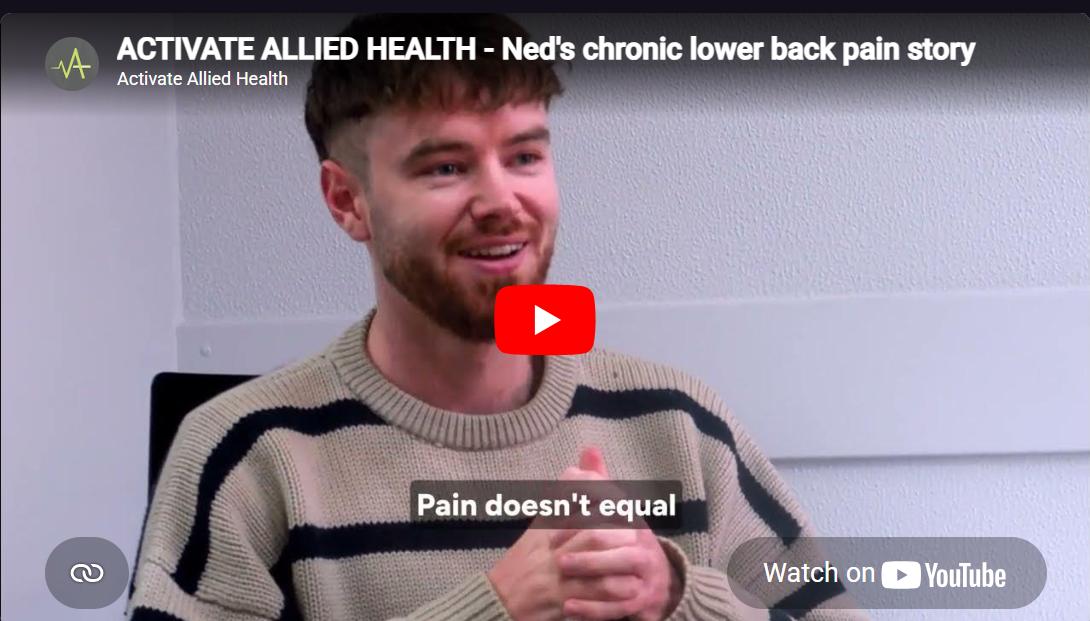
Ned overcame back pain through strength training & support. Start your journey to recovery today with Activate Exercise Physiology.
March 24, 2026
Learn how exercise aids emotional regulation in teens with special needs. Contact us to support their mental health today!
By admin November 20, 2025
Understand sciatica symptoms & causes like disc herniation. Get effective treatment options for back pain. Contact us today!
By admin August 22, 2025
Learn the top 3 exercises to manage knee osteoarthritis pain. Improve your joint health with our expert guidance today!
A woman is talking to another woman while holding a piece of paper.
By admin May 23, 2025
Regular exercise is key to preventing & managing Type 2 Diabetes. Contact us to learn effective strategies for better health.
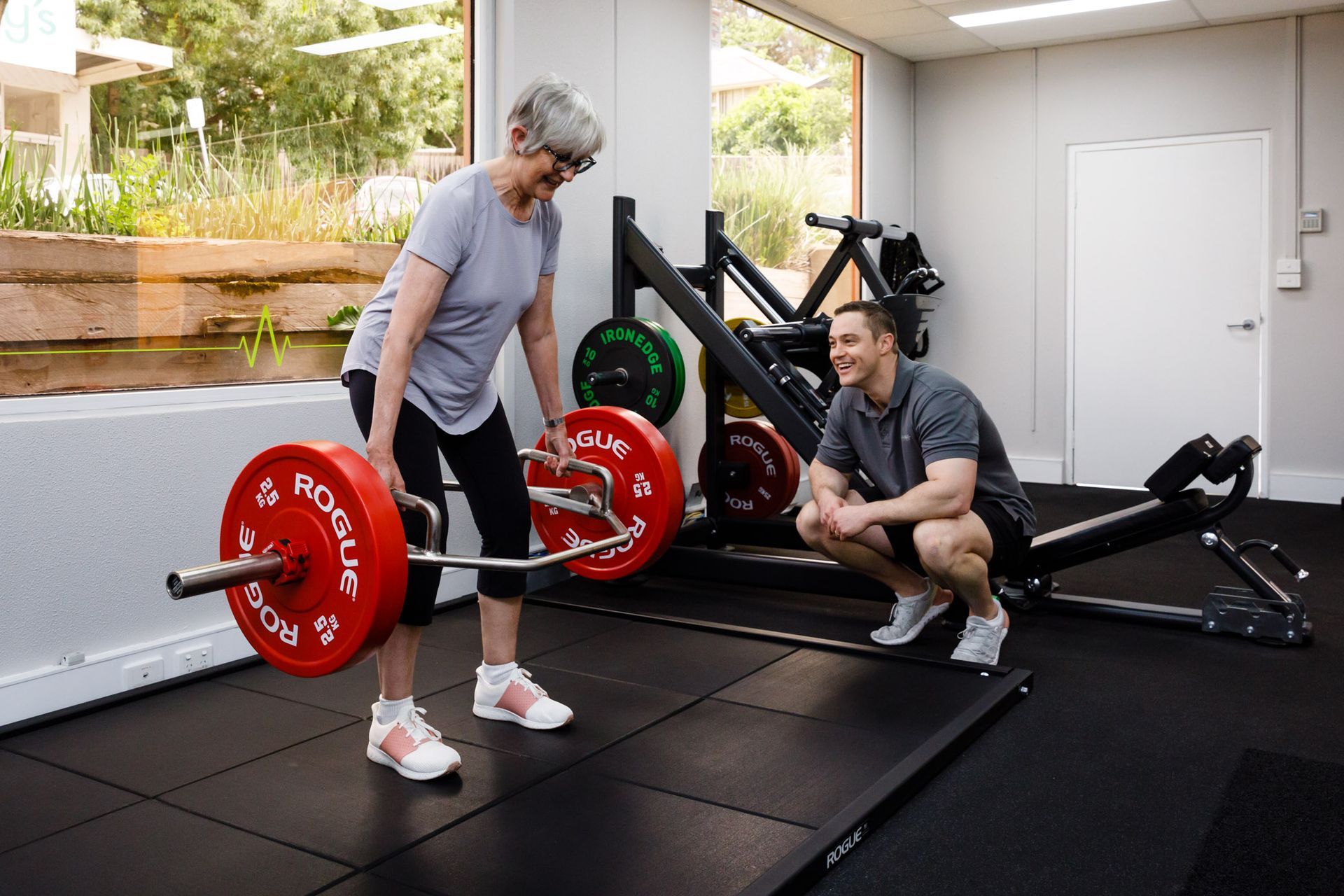
A man is squatting next to a woman lifting a barbell in a gym.
By admin April 29, 2025
Learn the 3 best exercises for osteoporosis to boost bone health. Contact us for personalized exercise programs tailored to your needs.
The Vital Role of Exercise Physiologists
By admin August 6, 2024
We often take for granted the simple acts of daily life—walking to the shops, climbing stairs, or even maintaining our balance as we move about. Yet for many Australians, these seemingly effortless activities can be significant challenges. In our latest blog, our team shares their insights and the impact of their role in helping people achieve the best version of themselves.