A Day in the Life of an Exercise Physiologist in Melbourne

admin • August 1, 2024

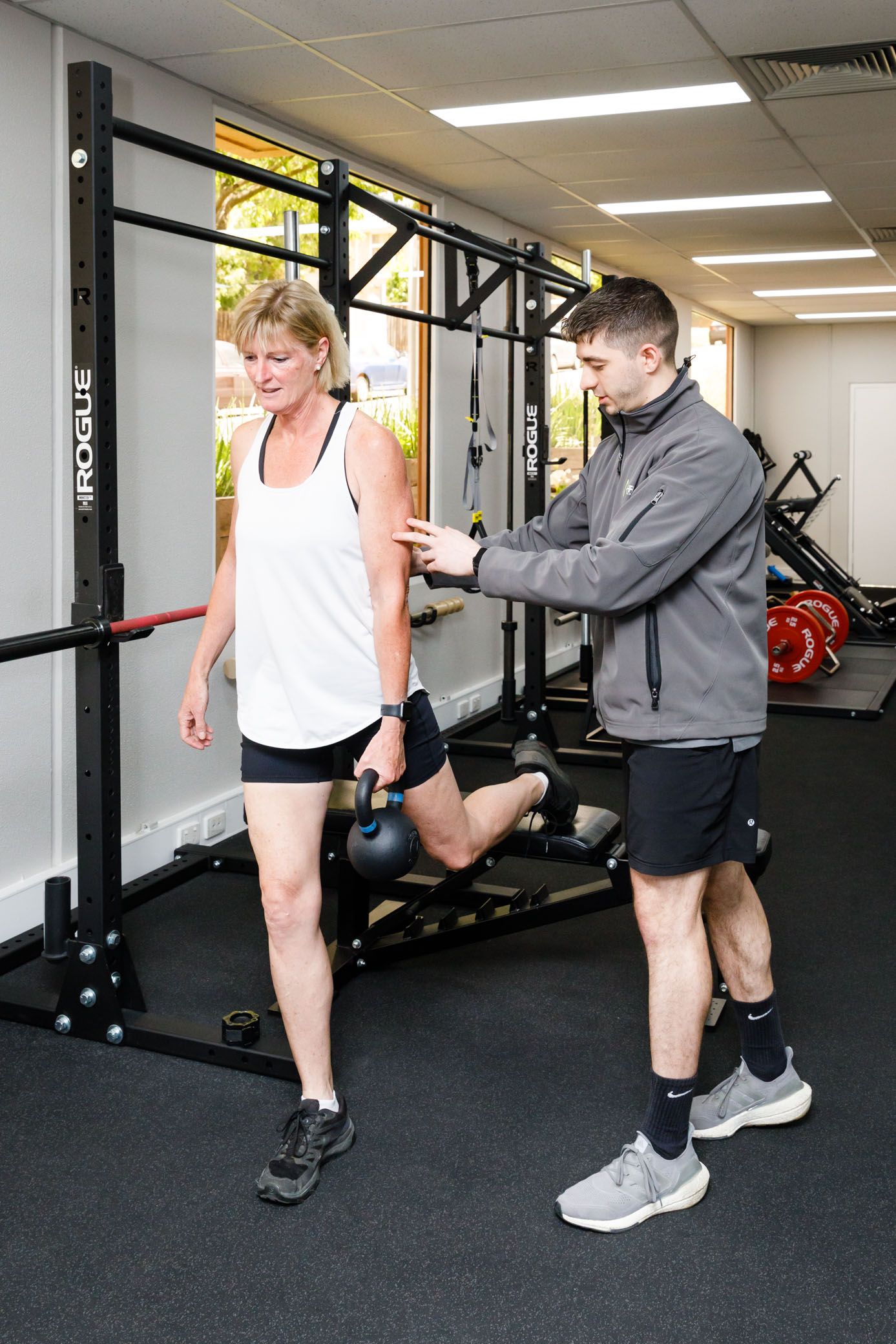
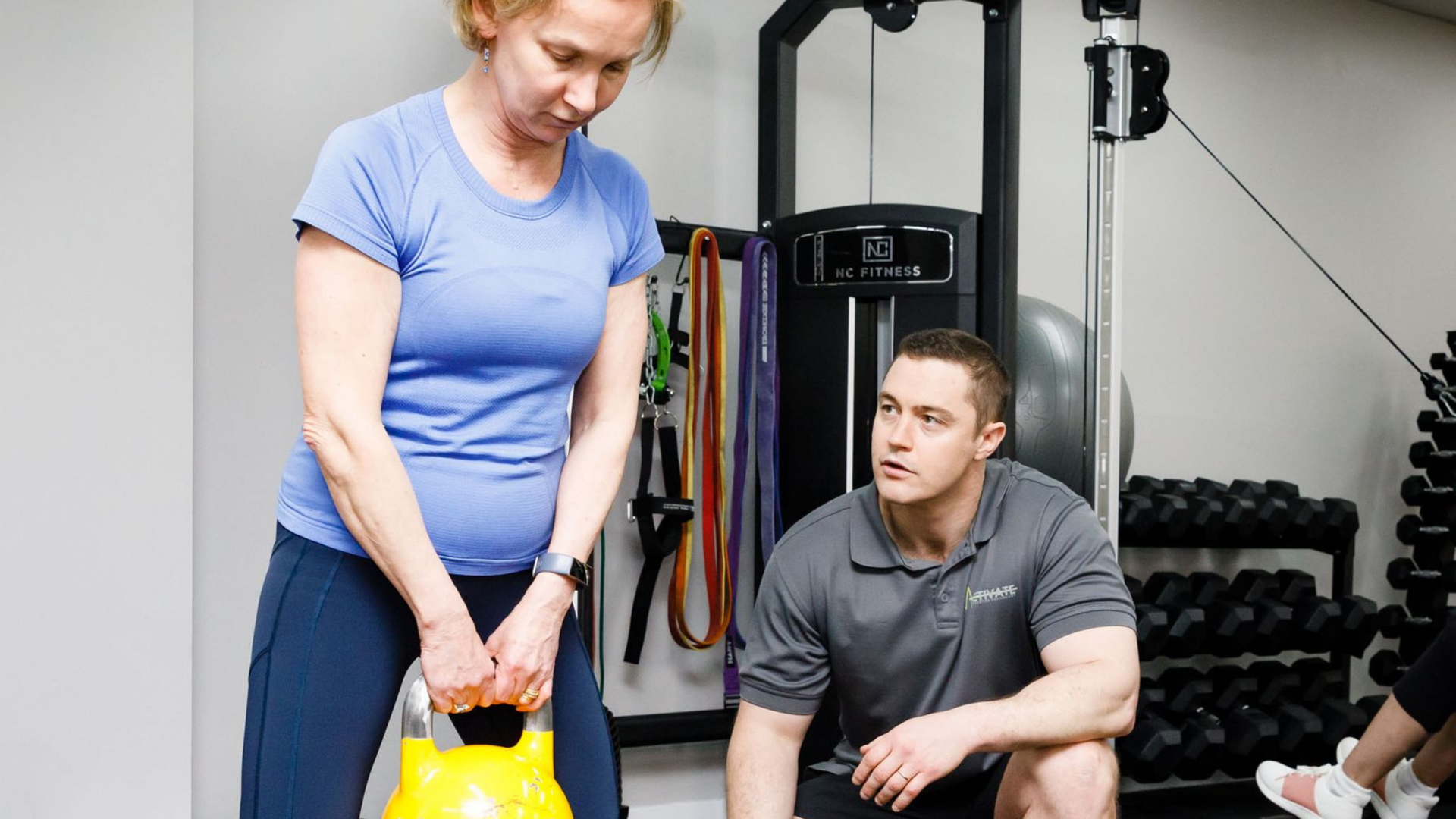
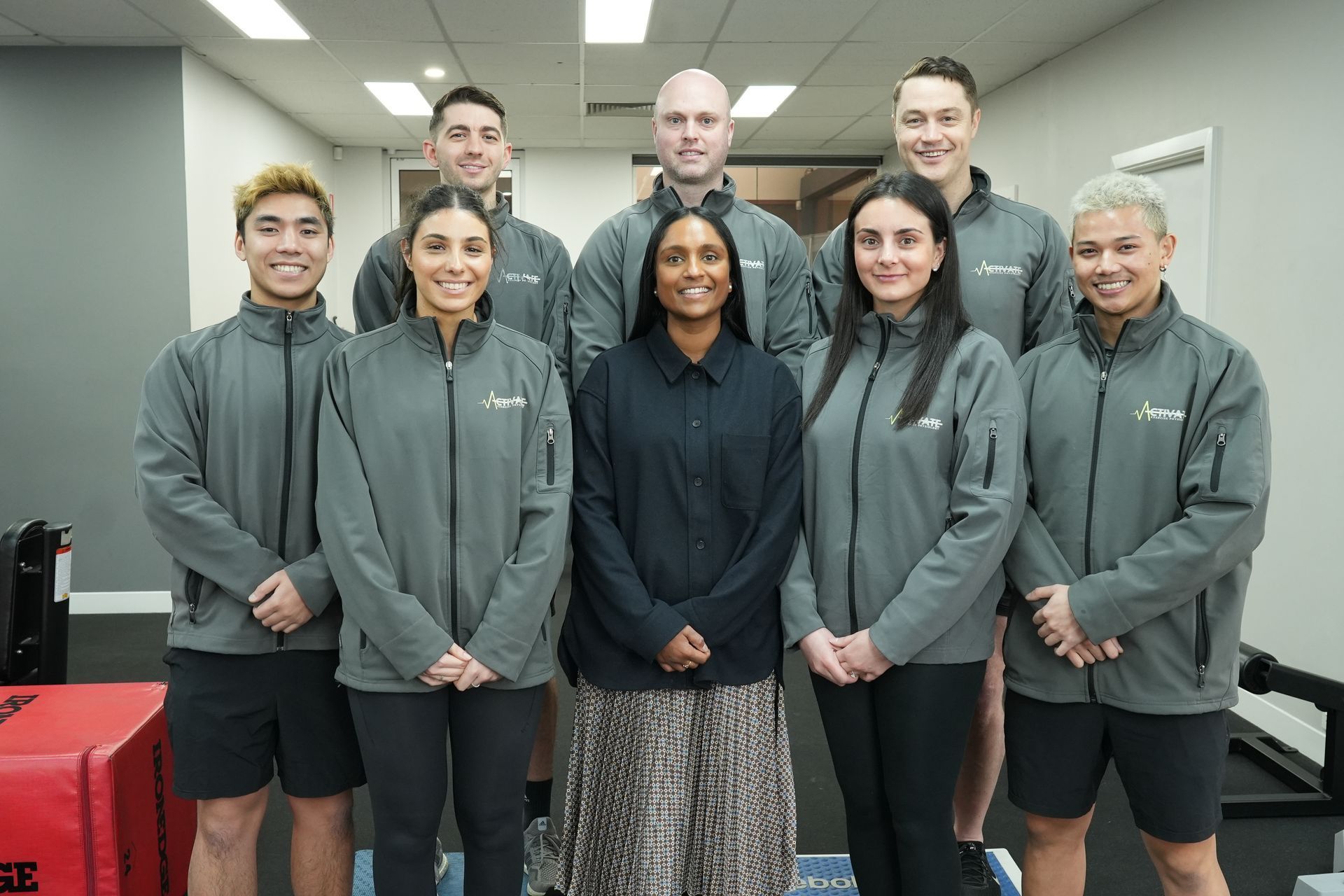
At Activate Allied Health, our team of dedicated Exercise Physiologists (EPs for short) in Melbourne work tirelessly to improve the lives of our clients. For those considering a career in Exercise Physiology or looking to join a fun team like ours, we'd like to offer you a glimpse into a typical day in the life of an EP. Through the experiences of our team members, you'll see the diverse and rewarding nature of this profession.


As the sun rises over Melbourne, our EPs are already preparing for a day filled with client interactions, professional development, and teamwork. Olivia Chiarello, one of our experienced Exercise Physiologists, starts her day by reviewing her schedule.
"My diary typically includes a 60-minute case conference and a 30-minute meeting with a student I'm mentoring," she explains. "A large part of my day is then client-facing, working with a broad range of clinical populations."


The morning usually begins with client sessions. Nadunie Piyasena, another valued EP on our team, describes these interactions: "
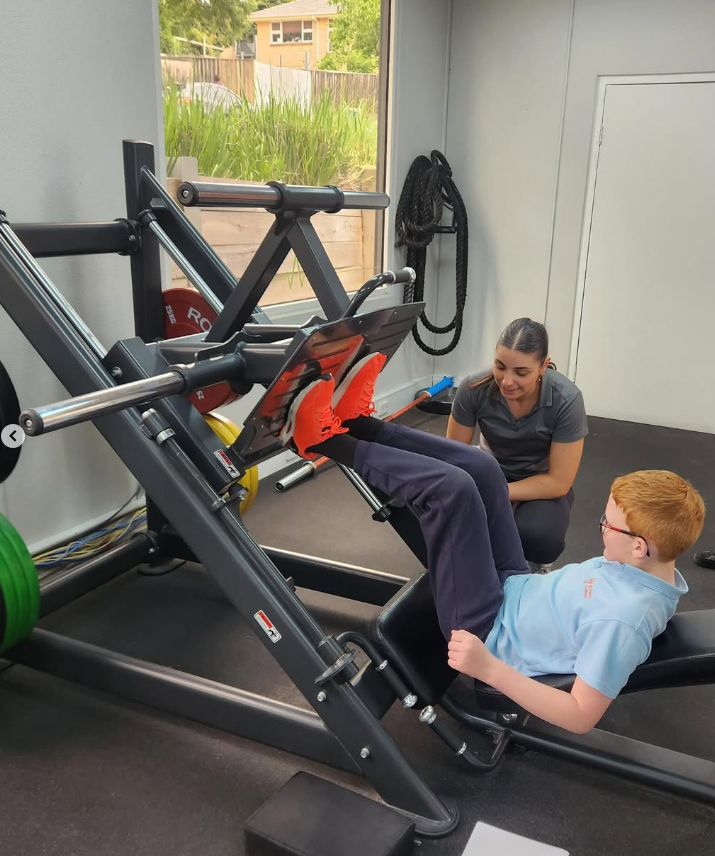
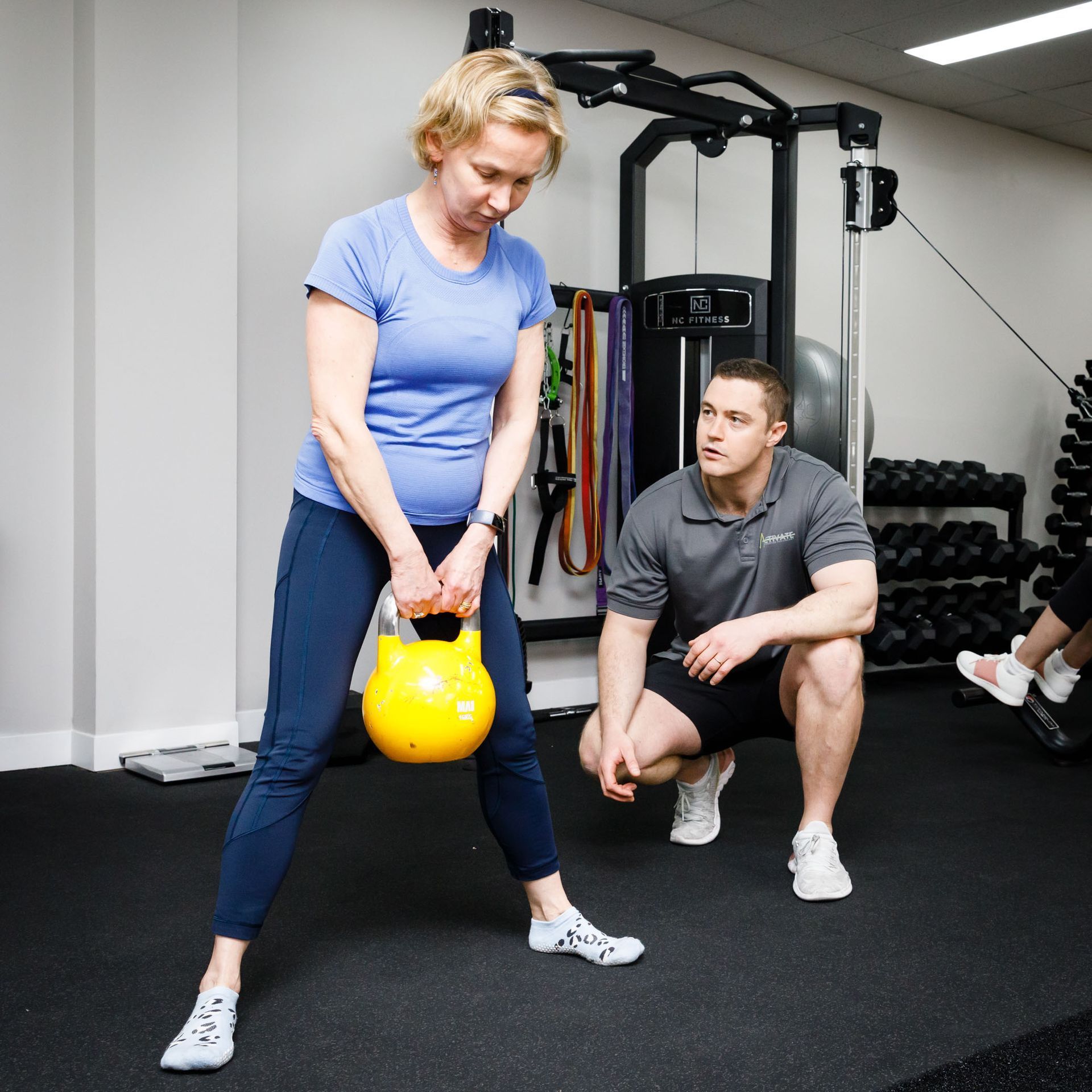
We guide clients through their exercises, discuss strategies like pacing activities throughout the day, provide education on pain management, and go over home exercises." Nadunie adds, "Sometimes, it's just about having a general chat to help clients socialise – that's an important part of their overall well-being too."


As the day progresses, our team members juggle various responsibilities. Aislinn Gesuale, an EP with a passion for ongoing learning, emphasises the importance of staying current:
"Between client sessions, I'm often planning and updating treatment plans, and keeping up to date with the latest research about my clients' presentations. This ongoing learning is crucial in providing the best care possible."


Quinton Le, an EP on our team known for his energetic approach, shares his daily flow:
"The day always starts with greeting everyone before checking the diary. Then it's a mix of working with scheduled clients, handling emails and calls, grabbing a quick bite, chatting with colleagues, and maybe running off to a home visit."


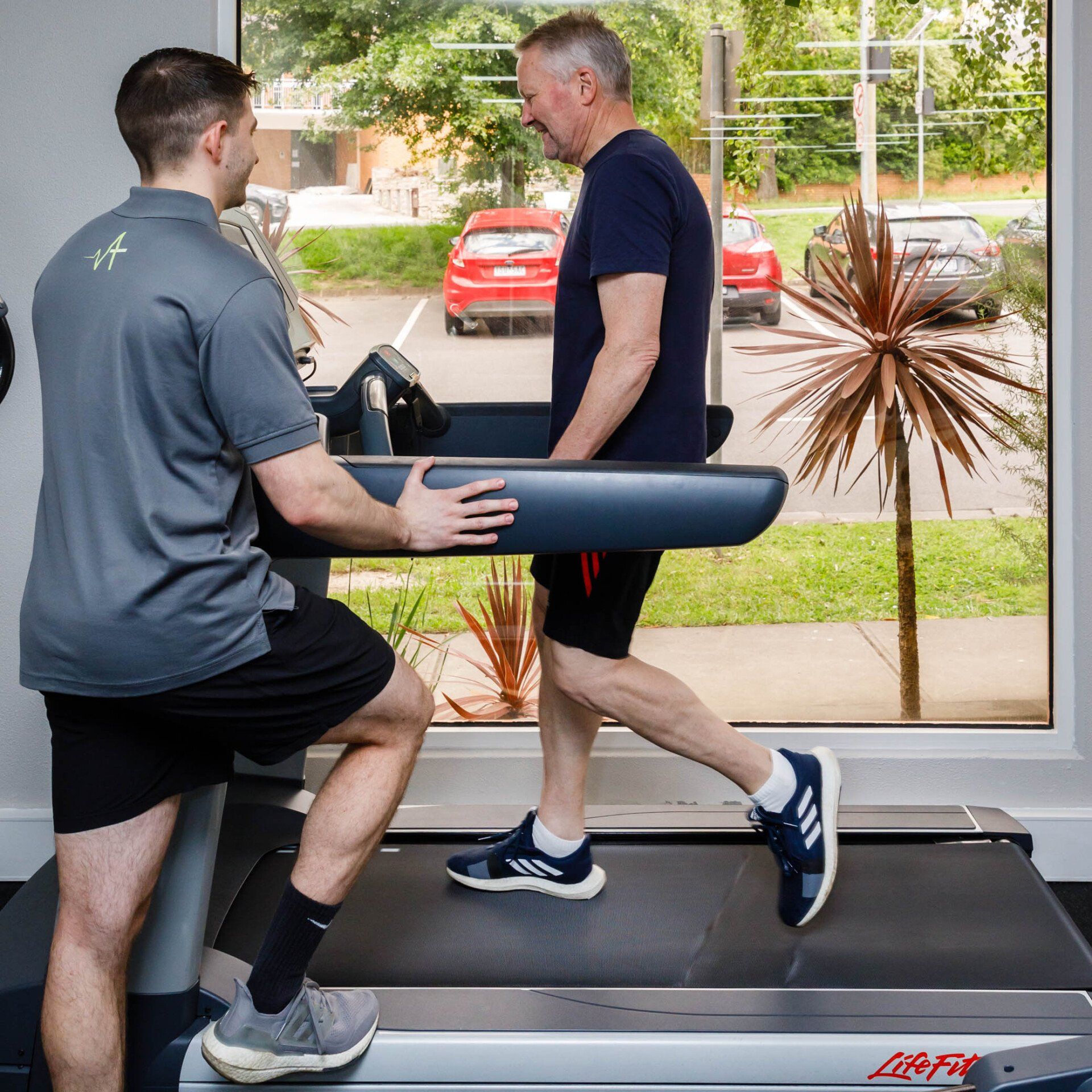
Home visits are an essential part of many EPs' routines. These visits allow us to assess and treat clients in their own environments, providing tailored solutions for their daily lives. Adele Stevens, an EP who specialises in home-based care, elaborates on the variety in her caseload:
"In one day, I work with a variety of clients and conditions funded through NDIS, Medicare, WorkCover, and private-paying clients. This diversity keeps the job interesting and challenging."


Many of our team members are proud of the mentoring aspect of the job too. Olivia shares her experience:
"I love mentoring students. It involves writing their schedules, providing feedback, and observing their skills. It's rewarding to help shape the next generation of Exercise Physiologists."


As the day winds down, our team members often engage in professional development activities. This might involve researching specific client conditions, participating in team discussions, or attending workshops. Adele notes,
"When I have spare admin time, I complete any necessary progressions or adjustments of clients' exercise programs or their assessments. If needed, I'll conduct initial assessments and reassessments, taking various subjective and objective measures as baseline levels for each client."


The collaborative nature of our work at Activate Allied Health is evident in the way our EPs interact throughout the day. Quinton describes end-of-day activities:
"Before heading home, there's often a discussion about clients with other team members. It's a chance to share insights and ensure we provide the best possible care." This sentiment is echoed by all team members, who value the opportunity to learn from and support each other.


As the day comes to a close, our team members reflect on their achievements and prepare for tomorrow. It's a profession that demands energy, empathy, and expertise, but the rewards are immeasurable. Each day brings new challenges and opportunities to positively impact someone's life.


For those considering a career in Exercise Physiology, this glimpse into a day at Activate Allied Health showcases the dynamic and fulfilling nature of the profession. It's a career that combines scientific knowledge with genuine care, offering the chance to make a real difference in people's lives every single day.


The Activate Allied Health Difference


At Activate Allied Health, we're proud of our Exercise Physiologists' work and the positive changes they bring to our clients' lives. We value a fun, close-knit working culture and focus on client outcomes, not ridgid KPIs. We believe that better the outcomes for our clients, the better the outcome for everyone. 


If you're passionate about health, movement, and helping others, a career in Exercise Physiology could be your calling.


And if you're looking for a job as an Exercise Physiologist in Melbourne, be sure to apply- we're always looking to expand our team with inspired professionals.
June 18, 2026
If you've ever been told to rest, get a massage, or wait for your back pain to settle, this episode might change the way you think about recovery.
June 15, 2026
Understanding Tendinopathy Tendinopathy is a condition affecting tendons, often caused by overuse, repetitive strain, or age-related degeneration. It can present as either acute inflammation or chronic tendon degeneration. Common areas affected include the Achilles tendon, gluteal tendon, rotator cuff, patellar tendon, and the elbow, commonly known as tennis or golfer’s elbow. These conditions can lead to discomfort, pain, and movement limitations. What Causes Tendinopathy? Tendinopathy is primarily caused by overload, repetitive motions, or sudden increases in activity intensity, which can lead to changes in tendon tissue. There are several risk factors associated with tendinopathy that can be divided into modifiable and non-modifiable categories. Modifiable Risk Factors Strength Flexibility Biomechanics Metabolic disorders such as diabetes or arthritis Weight Hormonal influences Sleep and stress Non-Modifiable Risk Factors Age-related degeneration Gender Genetics Structural characteristics Previous injuries Drug exposure It is important to recognise the interplay between modifiable and non-modifiable risk factors. A holistic approach focused on managing modifiable factors can help reduce risk and support tendon health. How Is Tendinopathy Diagnosed? Tendinopathy is diagnosed through a combination of clinical assessment and physical examination. A clinical assessment may include: Understanding an individual’s history Reviewing individual signs and symptoms Exercise Physiologists will typically begin with a physical examination, including: Evaluating pain, tenderness, and movement restrictions Inquiring about activity levels, including recent increases in physical load Assessing the presence of other health conditions Typical clinical presentations include: Localised pain Discomfort following a sudden increase in activity Pain aggravated by continuous load, though it may temporarily improve during movement A proportional relationship between load and pain Pain and stiffness in the mornings While imaging may reveal structural changes such as degeneration, it cannot definitively differentiate between a tendon tear and severe tendinopathy. Imaging should not be used as the sole diagnostic tool and is primarily helpful for ruling out other conditions or identifying referred pain from different areas. How Does Exercise Influence Tendinopathy? Exercise is one of the most effective tools for treating and strengthening tendons affected by tendinopathy. Loading the tendon and surrounding muscles through exercise can help with immediate pain reduction and strengthen the muscle-tendon unit. Properly structured exercise programs help to: Stimulate tendon repair Enhance tendon quality and strength Restore overall function What Is the Best Way to Manage Tendinopathy? There are three essential interventions for managing tendinopathy: Implementing an individualised exercise plan to gradually progress exposure to load for better tolerance and function Managing load outside the rehabilitation program Understanding pain, managing risk factors, and learning how to manage exercise load When managing tendinopathy through an exercise rehabilitation program, it is important to consider an individual’s response to physical stress. This is measured through load tolerance. Load tolerance refers to the amount of pain-free force an individual can produce or absorb for a specific movement over a specified period of time while still maintaining control of the movement. Adequate load tolerance includes: Acceptable pain during activity Pain that settles within a day What Is Acceptable Pain? Training within a pain range of 0–4 out of 10 is considered acceptable. Pain rated 5 out of 10 or higher may be problematic. Exercise Recommendations For any exercise rehabilitation program, it is important to gradually and progressively load the tendon and muscle while remaining within acceptable load tolerance parameters. Load response should continue to be monitored throughout the program. Example Exercise Loading Progressions for Patellar Tendinopathy Knee extension Leg press (double then single) Split squat Step up Walking lunges Higher step for step up Jumping and hopping Split jumps Maximal forward hop References Goom, T.S., Malliaras, P., Reiman, M.P. and Purdam, C.R., 2016. Proximal hamstring tendinopathy: clinical aspects of assessment and management. Journal of Orthopaedic & Sports Physical Therapy, 46(6), pp.483–493. Malliaras, P. and O’Neill, S., 2017. Potential risk factors leading to tendinopathy. Apunts. Medicina de l’Esport, 52(194), pp.71–77. Malliaras, P., Cook, J., Purdam, C. and Rio, E., 2015. Patellar tendinopathy: clinical diagnosis, load management, and advice for challenging case presentations. Journal of Orthopaedic & Sports Physical Therapy, 45(11), pp.887–898. Malliaras, P., 2024. Mastering Lower Limb Tendinopathy 5th edition ONLINE.
June 12, 2026
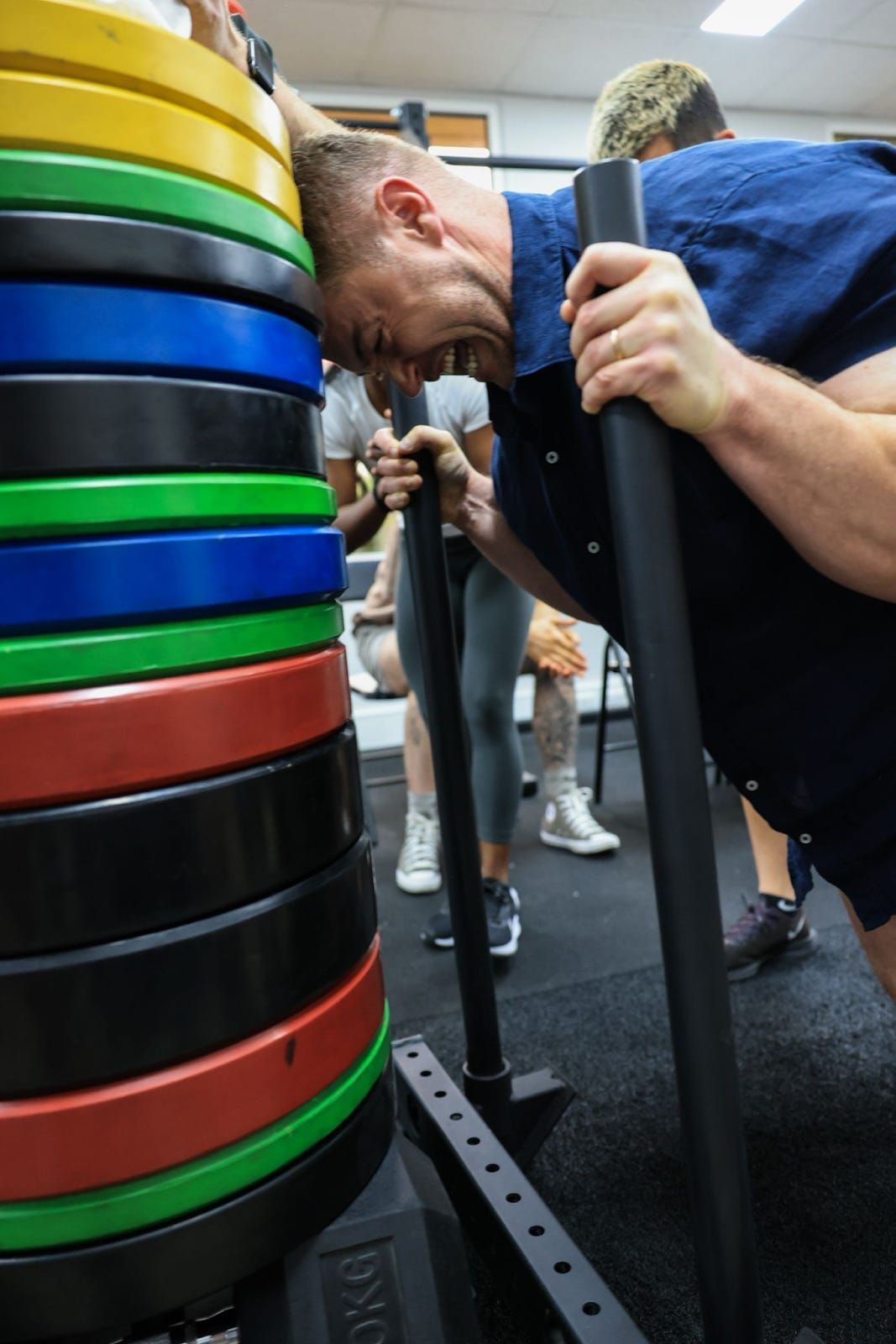
Learn how we raised funds for local schools over 4 years. Join us in supporting our community through the Sled Challenge Fundraiser!
April 17, 2026
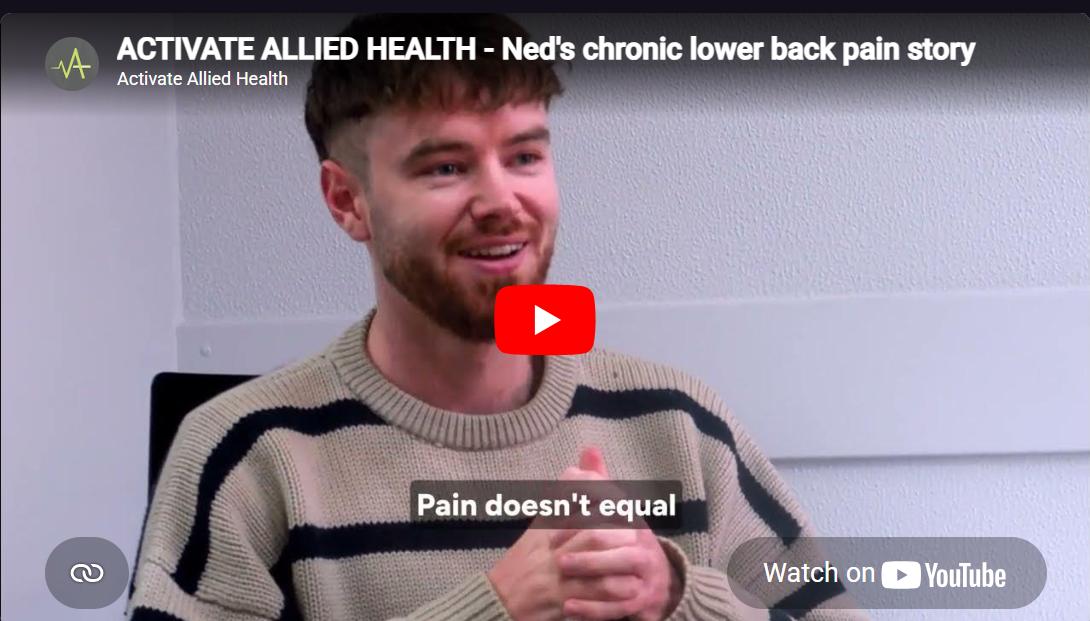
Ned overcame back pain through strength training & support. Start your journey to recovery today with Activate Exercise Physiology.
March 24, 2026
Learn how exercise aids emotional regulation in teens with special needs. Contact us to support their mental health today!
By admin November 20, 2025
Understand sciatica symptoms & causes like disc herniation. Get effective treatment options for back pain. Contact us today!
By admin August 22, 2025
Learn the top 3 exercises to manage knee osteoarthritis pain. Improve your joint health with our expert guidance today!
A woman is talking to another woman while holding a piece of paper.
By admin May 23, 2025
Regular exercise is key to preventing & managing Type 2 Diabetes. Contact us to learn effective strategies for better health.
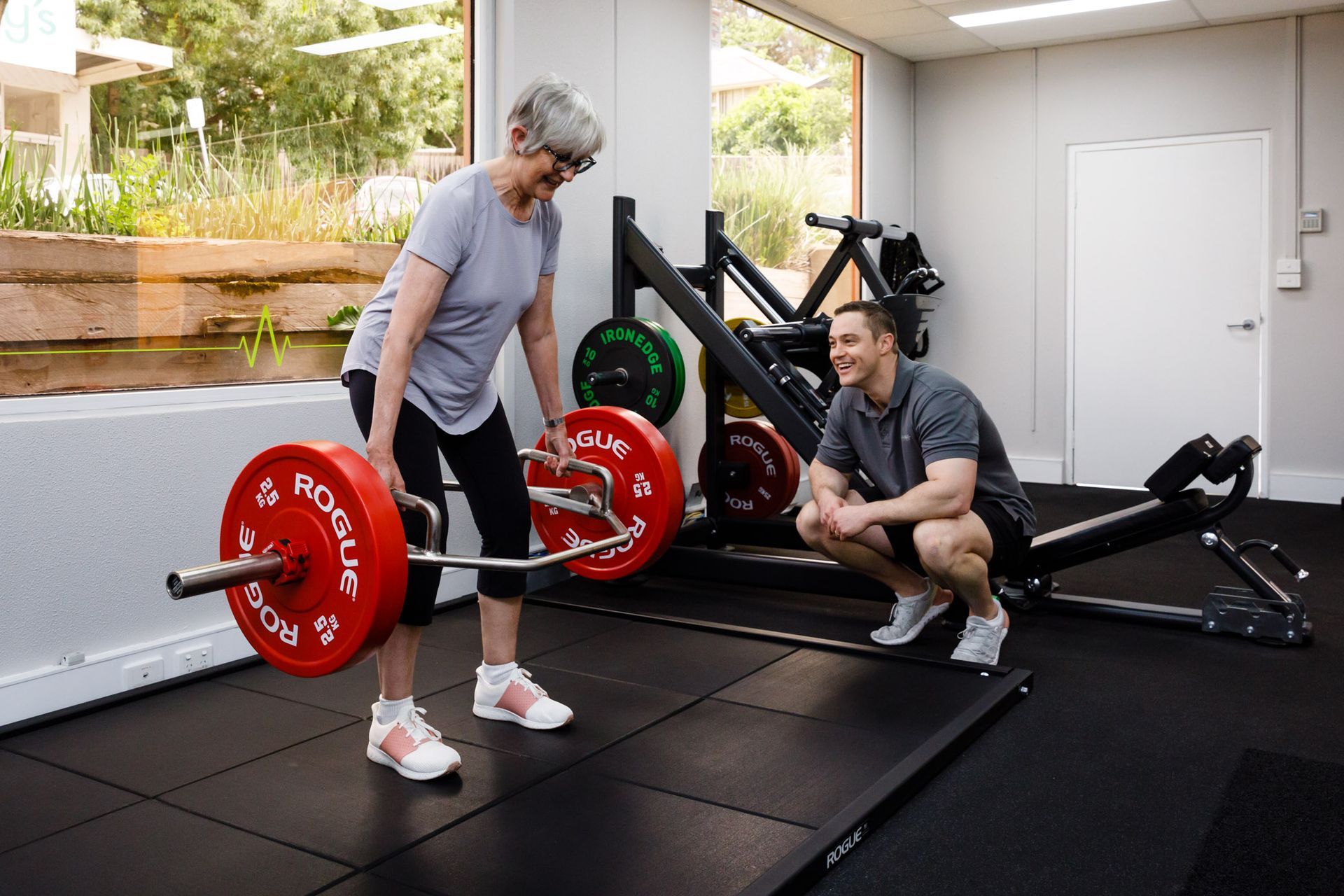
A man is squatting next to a woman lifting a barbell in a gym.
By admin April 29, 2025
Learn the 3 best exercises for osteoporosis to boost bone health. Contact us for personalized exercise programs tailored to your needs.
A man is helping a woman do exercises in a gym.
By admin October 31, 2024
Reassess pain perception in fitness. Learn strategies to manage discomfort effectively. Contact us for guidance!