The Rewarding Journey of an Exercise Physiologist: Insights from Activate Allied Health

admin • July 9, 2024

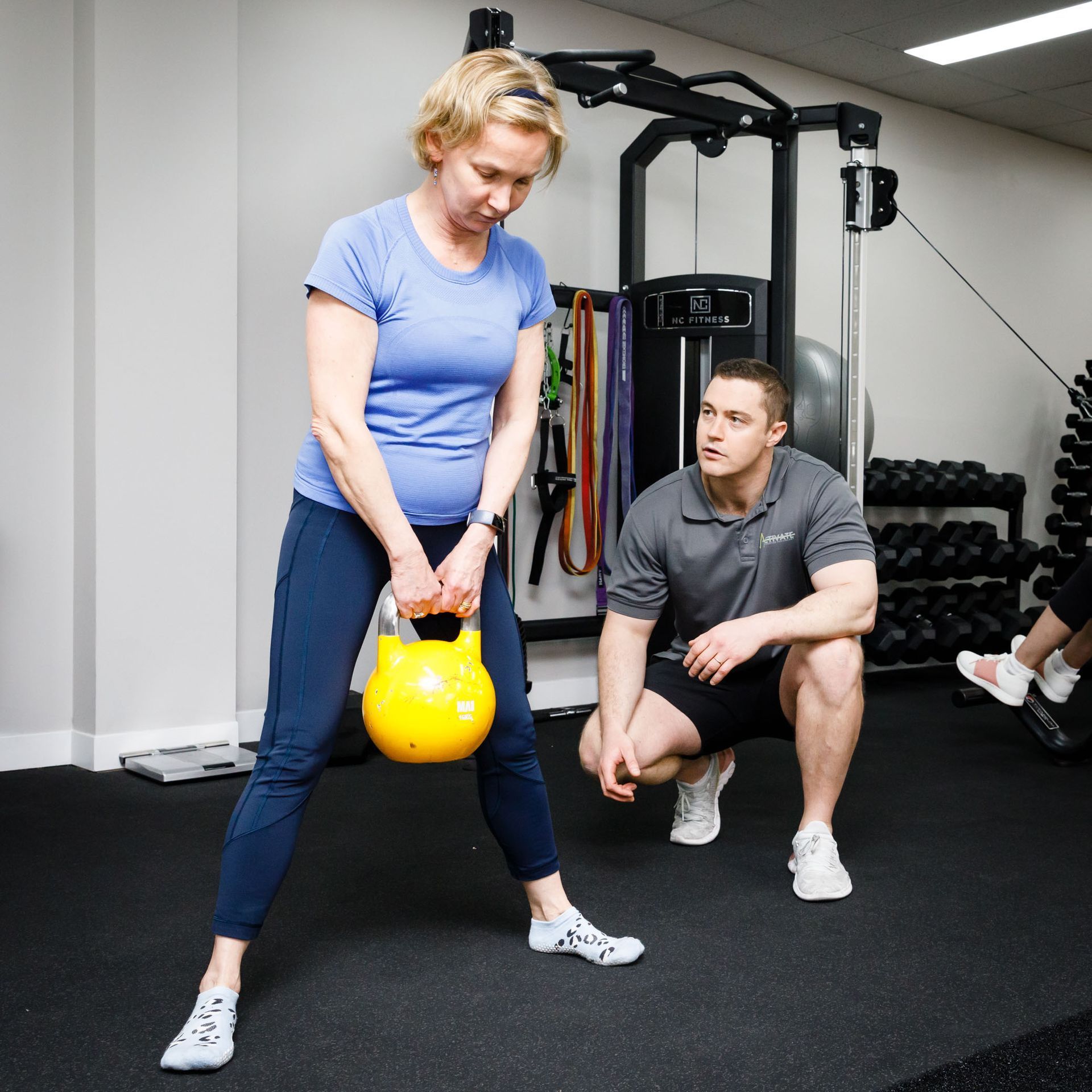
Exercise Physiology is a field that offers a wealth of rewards alongside its challenges. At Activate Allied Health, our team of dedicated Exercise Physiologists (EPs) experiences the joy and fulfilment this profession brings daily. Through their collective insights, we'll explore the many positives of being an EP while acknowledging their honest challenges.


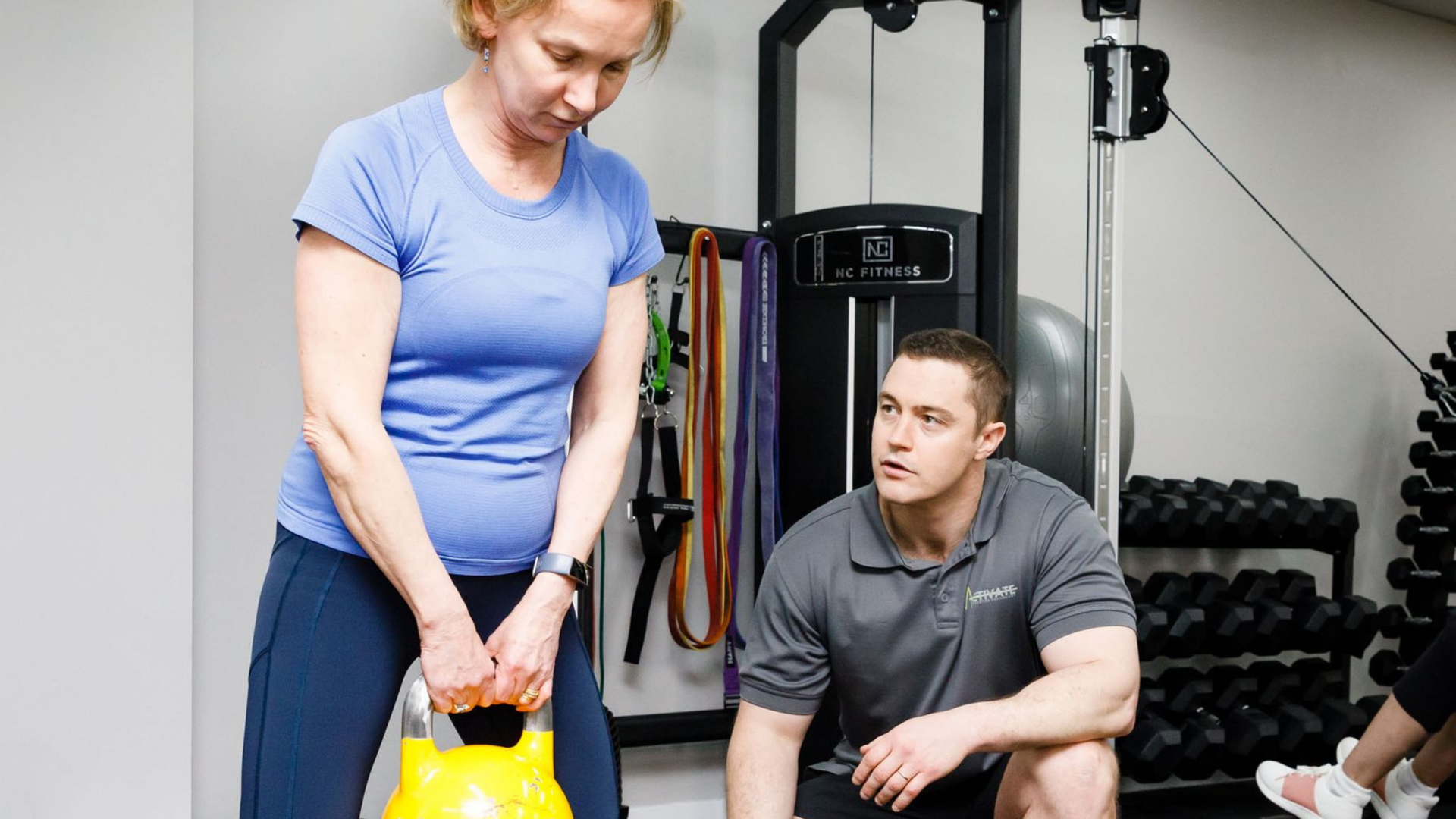
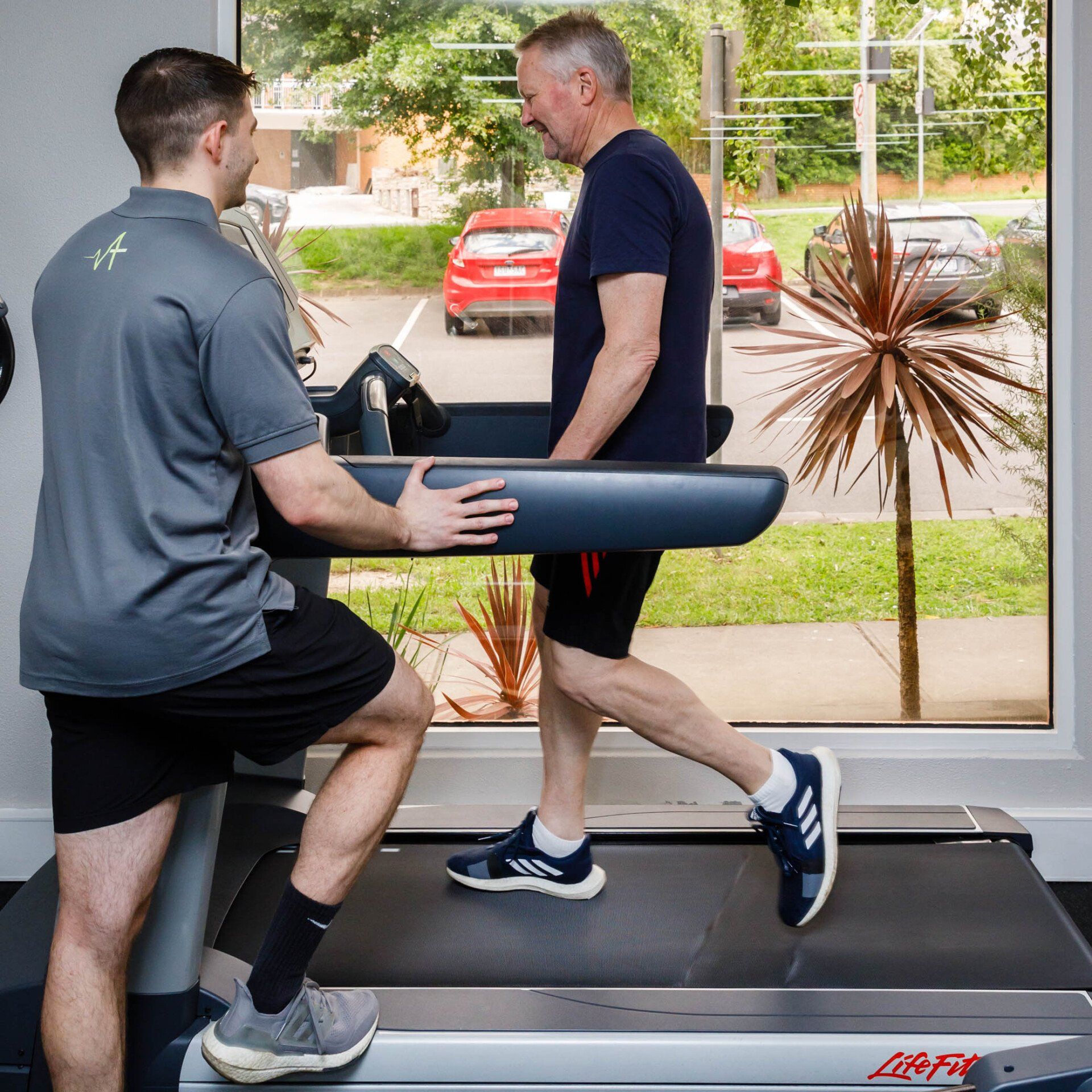
The most universally rewarding aspect of being an EP is witnessing client success. There's an incomparable satisfaction in seeing clients achieve their goals, especially when it comes to seemingly simple acts that profoundly impact their lives. Whether it's helping someone walk more confidently or assisting a client in reaching a long-held fitness goal, these moments of progress and achievement are the heart of what makes this profession so fulfilling.


Our EPs find great joy in building strong relationships with clients and being part of their journey towards accomplishing their goals. This interpersonal aspect of the job allows for meaningful connections and the opportunity to make a real difference in people's lives. As Adele Stevens, one of our experienced EPs, notes, these relationships often lead to discovering new areas of interest and specialisation within the field.


The dynamic nature of Exercise Physiology is another significant draw. The vast and constantly evolving field offers endless opportunities for learning and growth. This continuous development keeps the work exciting and allows EPs to expand their skills and knowledge throughout their careers. For many, this aspect of the job is invigorating and provides a sense of constant progress and achievement.


Exercise Physiology also offers the chance to work with a diverse range of clients, from athletes to individuals with chronic conditions. This variety ensures that no two days are the same, providing a stimulating work environment that challenges EPs to apply their knowledge in creative ways.


Moreover, the profession allows for a great deal of autonomy and creativity. EPs often design tailored exercise programmes that suit each client's unique needs and circumstances. This creative problem-solving aspect of the job can be incredibly fulfilling, as it allows practitioners to see the direct impact of their innovative approaches.


While the rewards are numerous, it's important to acknowledge that the profession does come with its challenges. Social fatigue can be an issue, as the job requires constant interaction with different clients throughout the day. Dealing with diverse personalities and helping clients overcome deeply ingrained beliefs about their conditions can also be challenging.


However, these challenges often serve as opportunities for growth. They push EPs to develop crucial skills such as empathy, patience, and advanced communication abilities. Many find that overcoming these hurdles makes the eventual successes all the more satisfying.


At Activate Allied Health, we strive to create an environment where our EPs can thrive and fully experience the rewards of this fulfilling profession. We believe in fostering a culture of continuous learning, mutual support, and client-centred care. This approach not only helps our team navigate challenges but also maximises the immense rewards of the profession.


The journey of an EP is one of constant growth and learning. It's a profession that demands technical knowledge, emotional intelligence, adaptability, and resilience. The satisfaction of seeing a client achieve what they once thought impossible, or the knowledge that you've made a significant difference in someone's quality of life, makes any challenges encountered along the way worthwhile.


For those considering a career in this field or EPs looking for a supportive team, remember that Exercise Physiology offers a unique opportunity to blend scientific knowledge with genuine care for others. At Activate Allied Health, we're committed to supporting our team through any challenges and celebrating the many rewards together.


In summary, while Exercise Physiology comes with its own set of challenges, the rewards far outweigh them. The opportunity to positively impact lives, engage in continuous learning, and experience the joy of client success makes this a truly fulfilling career choice.


Working at Activate Allied Health


If you're passionate about health, enjoy working with people, and are excited by the prospect of a dynamic, ever-evolving field, Exercise Physiology could be the perfect profession for you. We value a fun, close-knit working culture and focus on client outcomes, not ridgid KPIs. We believe that better the outcomes for our clients, the better the outcome for everyone. 


If you're currently looking for a Melbourne-based role in Exercise Physiology, good news! We're hiring.
Follow this link to learn more and apply.
June 18, 2026
If you've ever been told to rest, get a massage, or wait for your back pain to settle, this episode might change the way you think about recovery.
June 15, 2026
Understanding Tendinopathy Tendinopathy is a condition affecting tendons, often caused by overuse, repetitive strain, or age-related degeneration. It can present as either acute inflammation or chronic tendon degeneration. Common areas affected include the Achilles tendon, gluteal tendon, rotator cuff, patellar tendon, and the elbow, commonly known as tennis or golfer’s elbow. These conditions can lead to discomfort, pain, and movement limitations. What Causes Tendinopathy? Tendinopathy is primarily caused by overload, repetitive motions, or sudden increases in activity intensity, which can lead to changes in tendon tissue. There are several risk factors associated with tendinopathy that can be divided into modifiable and non-modifiable categories. Modifiable Risk Factors Strength Flexibility Biomechanics Metabolic disorders such as diabetes or arthritis Weight Hormonal influences Sleep and stress Non-Modifiable Risk Factors Age-related degeneration Gender Genetics Structural characteristics Previous injuries Drug exposure It is important to recognise the interplay between modifiable and non-modifiable risk factors. A holistic approach focused on managing modifiable factors can help reduce risk and support tendon health. How Is Tendinopathy Diagnosed? Tendinopathy is diagnosed through a combination of clinical assessment and physical examination. A clinical assessment may include: Understanding an individual’s history Reviewing individual signs and symptoms Exercise Physiologists will typically begin with a physical examination, including: Evaluating pain, tenderness, and movement restrictions Inquiring about activity levels, including recent increases in physical load Assessing the presence of other health conditions Typical clinical presentations include: Localised pain Discomfort following a sudden increase in activity Pain aggravated by continuous load, though it may temporarily improve during movement A proportional relationship between load and pain Pain and stiffness in the mornings While imaging may reveal structural changes such as degeneration, it cannot definitively differentiate between a tendon tear and severe tendinopathy. Imaging should not be used as the sole diagnostic tool and is primarily helpful for ruling out other conditions or identifying referred pain from different areas. How Does Exercise Influence Tendinopathy? Exercise is one of the most effective tools for treating and strengthening tendons affected by tendinopathy. Loading the tendon and surrounding muscles through exercise can help with immediate pain reduction and strengthen the muscle-tendon unit. Properly structured exercise programs help to: Stimulate tendon repair Enhance tendon quality and strength Restore overall function What Is the Best Way to Manage Tendinopathy? There are three essential interventions for managing tendinopathy: Implementing an individualised exercise plan to gradually progress exposure to load for better tolerance and function Managing load outside the rehabilitation program Understanding pain, managing risk factors, and learning how to manage exercise load When managing tendinopathy through an exercise rehabilitation program, it is important to consider an individual’s response to physical stress. This is measured through load tolerance. Load tolerance refers to the amount of pain-free force an individual can produce or absorb for a specific movement over a specified period of time while still maintaining control of the movement. Adequate load tolerance includes: Acceptable pain during activity Pain that settles within a day What Is Acceptable Pain? Training within a pain range of 0–4 out of 10 is considered acceptable. Pain rated 5 out of 10 or higher may be problematic. Exercise Recommendations For any exercise rehabilitation program, it is important to gradually and progressively load the tendon and muscle while remaining within acceptable load tolerance parameters. Load response should continue to be monitored throughout the program. Example Exercise Loading Progressions for Patellar Tendinopathy Knee extension Leg press (double then single) Split squat Step up Walking lunges Higher step for step up Jumping and hopping Split jumps Maximal forward hop References Goom, T.S., Malliaras, P., Reiman, M.P. and Purdam, C.R., 2016. Proximal hamstring tendinopathy: clinical aspects of assessment and management. Journal of Orthopaedic & Sports Physical Therapy, 46(6), pp.483–493. Malliaras, P. and O’Neill, S., 2017. Potential risk factors leading to tendinopathy. Apunts. Medicina de l’Esport, 52(194), pp.71–77. Malliaras, P., Cook, J., Purdam, C. and Rio, E., 2015. Patellar tendinopathy: clinical diagnosis, load management, and advice for challenging case presentations. Journal of Orthopaedic & Sports Physical Therapy, 45(11), pp.887–898. Malliaras, P., 2024. Mastering Lower Limb Tendinopathy 5th edition ONLINE.
June 12, 2026
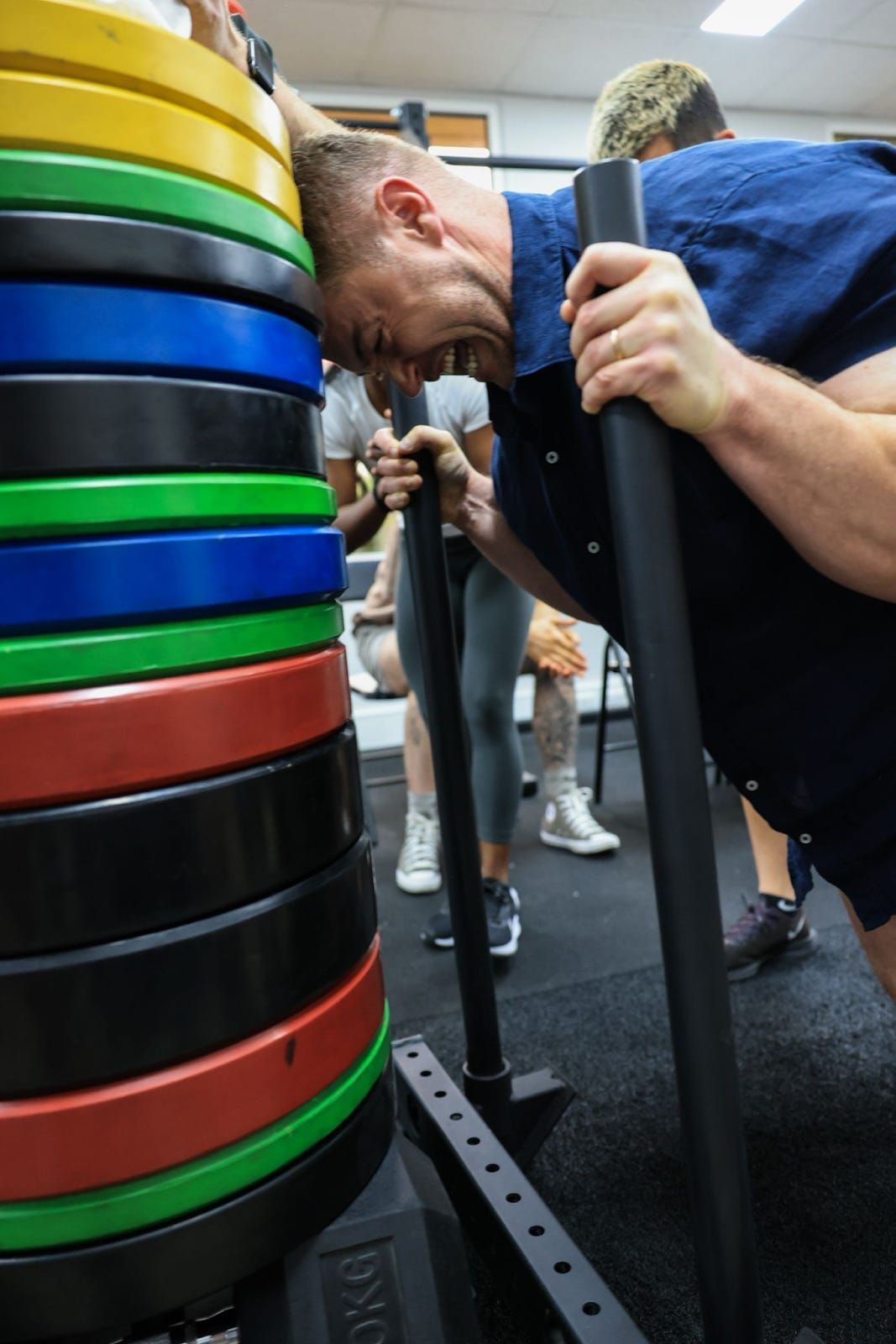
Learn how we raised funds for local schools over 4 years. Join us in supporting our community through the Sled Challenge Fundraiser!
April 17, 2026
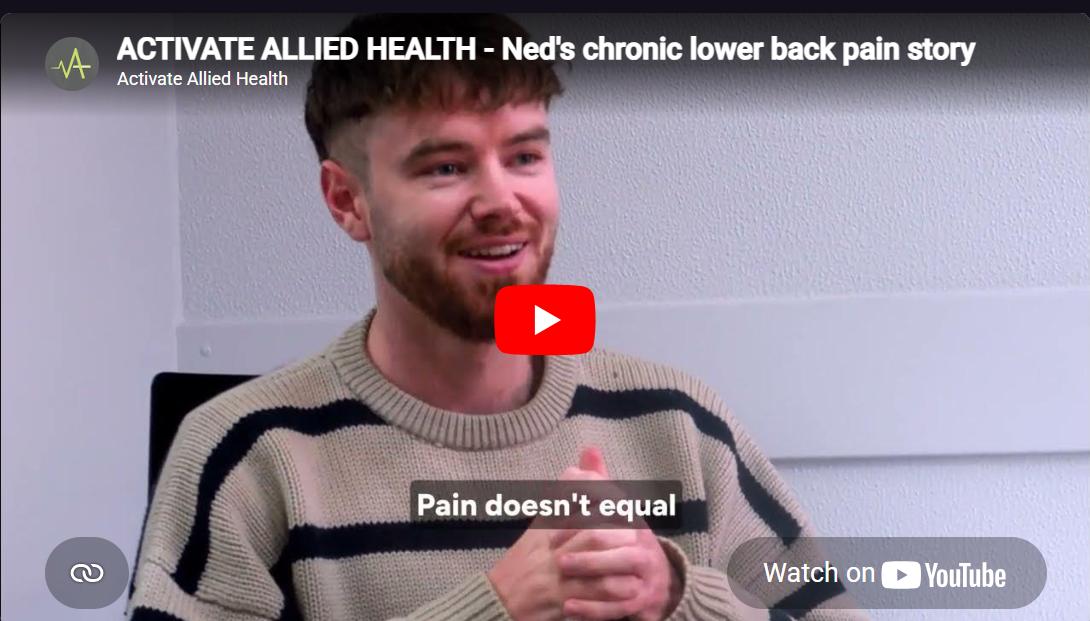
Ned overcame back pain through strength training & support. Start your journey to recovery today with Activate Exercise Physiology.
March 24, 2026
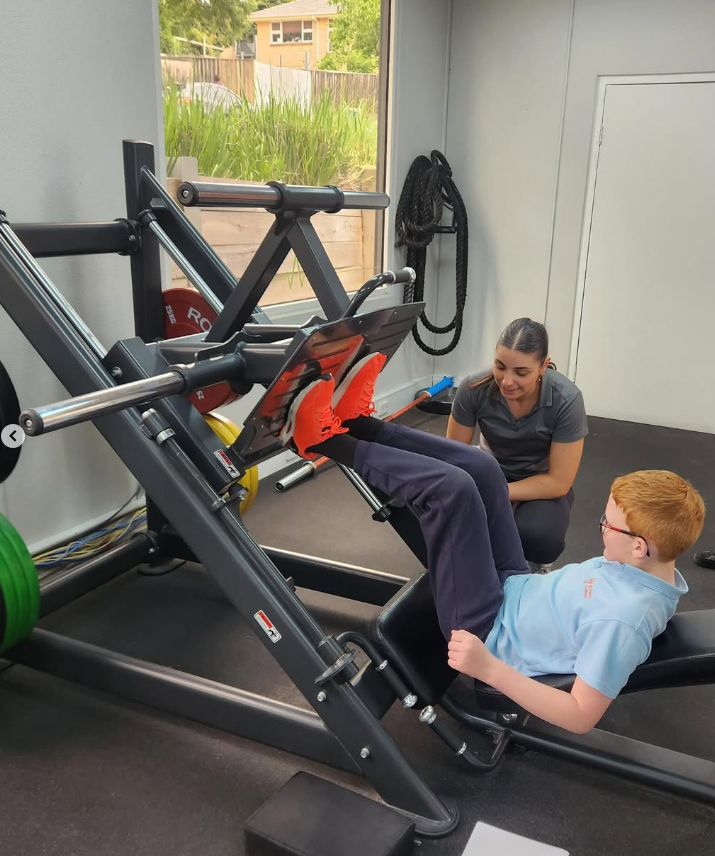
Learn how exercise aids emotional regulation in teens with special needs. Contact us to support their mental health today!
By admin November 20, 2025
Understand sciatica symptoms & causes like disc herniation. Get effective treatment options for back pain. Contact us today!
By admin August 22, 2025
Learn the top 3 exercises to manage knee osteoarthritis pain. Improve your joint health with our expert guidance today!
A woman is talking to another woman while holding a piece of paper.
By admin May 23, 2025
Regular exercise is key to preventing & managing Type 2 Diabetes. Contact us to learn effective strategies for better health.
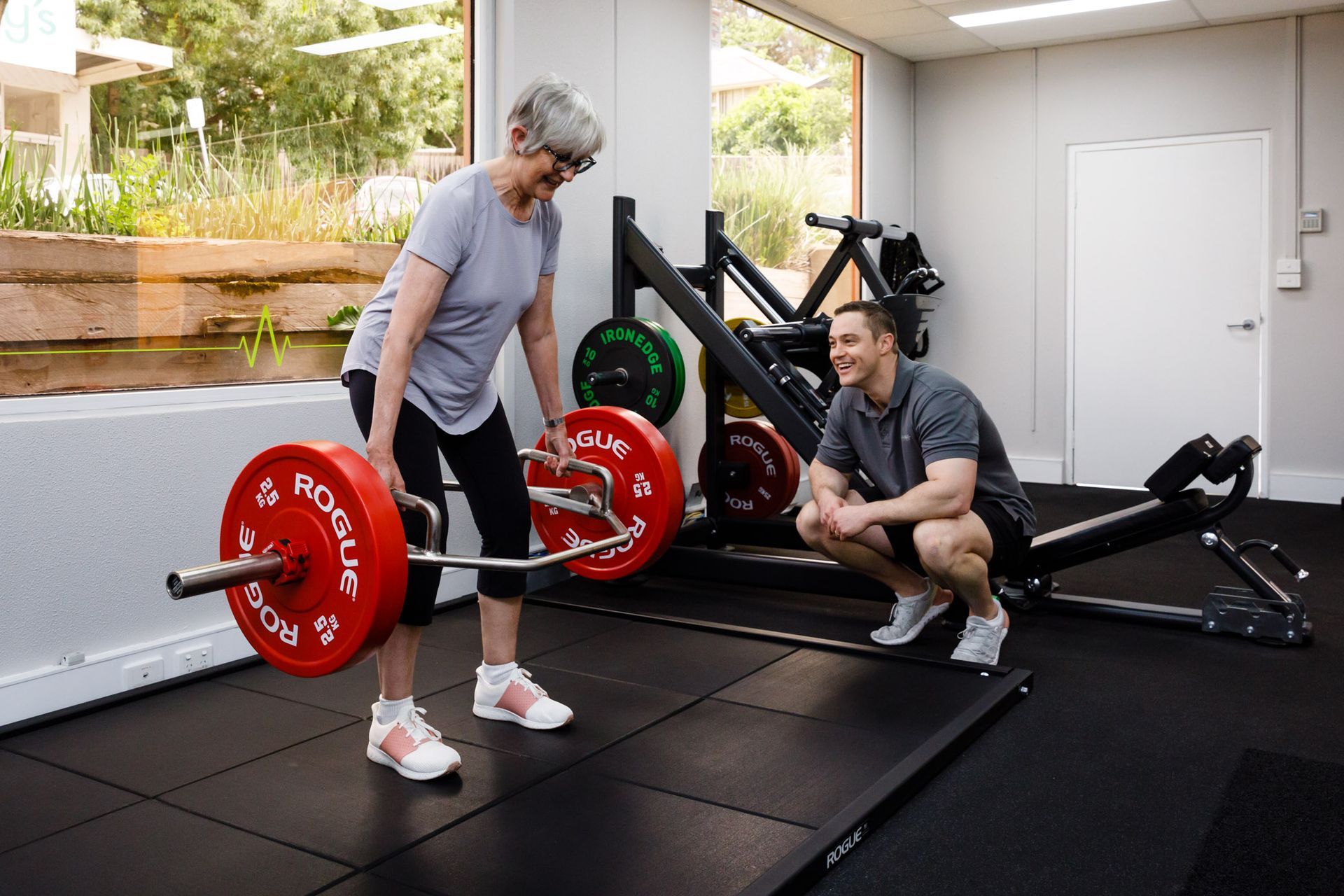
A man is squatting next to a woman lifting a barbell in a gym.
By admin April 29, 2025
Learn the 3 best exercises for osteoporosis to boost bone health. Contact us for personalized exercise programs tailored to your needs.
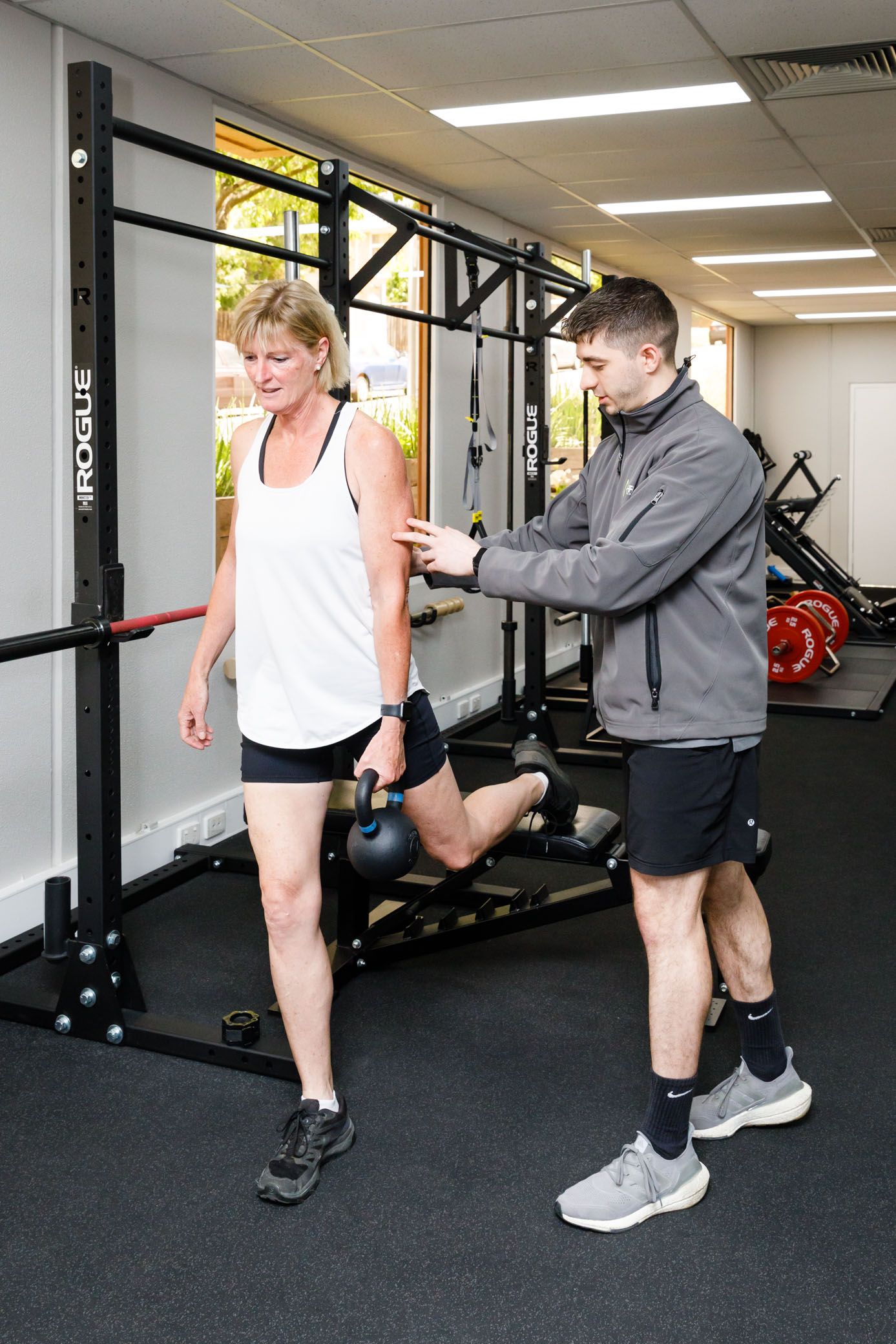
A man is helping a woman do exercises in a gym.
By admin October 31, 2024
Reassess pain perception in fitness. Learn strategies to manage discomfort effectively. Contact us for guidance!