The Essence of Movement: Rethinking Exercise Engagement

admin • March 30, 2024

The Essence of Movement: Rethinking Exercise Engagement


In the realm of exercise science, we're perpetually confronted with evolving methodologies, cutting-edge research, and the perennial quest to optimise. human performance and health. Yet, amidst this scientific context, a foundational truth often gets obscured – the paramount importance of movement, in any form, as the cornerstone of physical well-being. 


As a seasoned Exercise Physiologist and a proponent of challenging industry norms, I propose a perspective that might seem controversial to some:
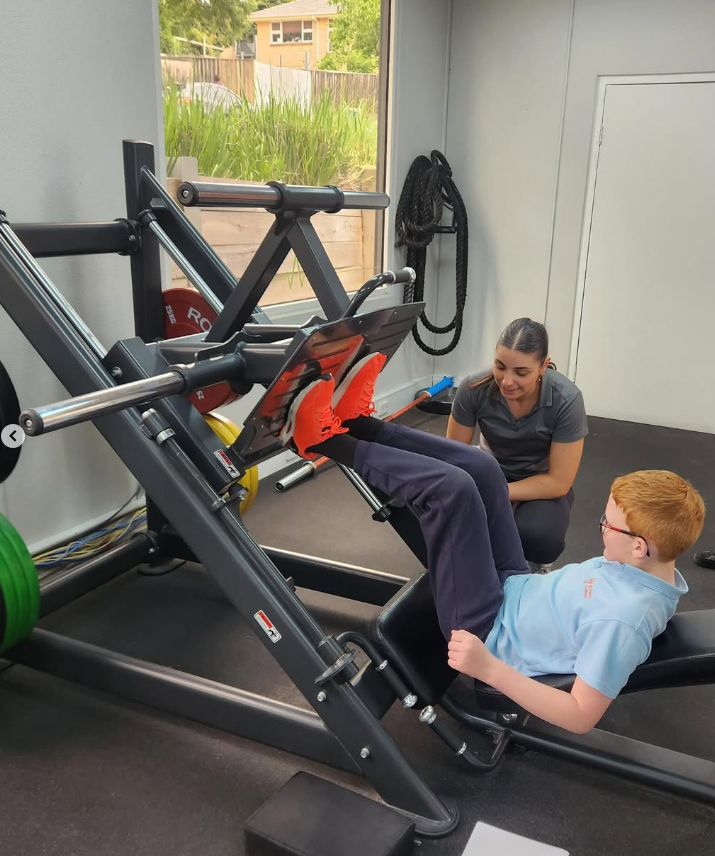
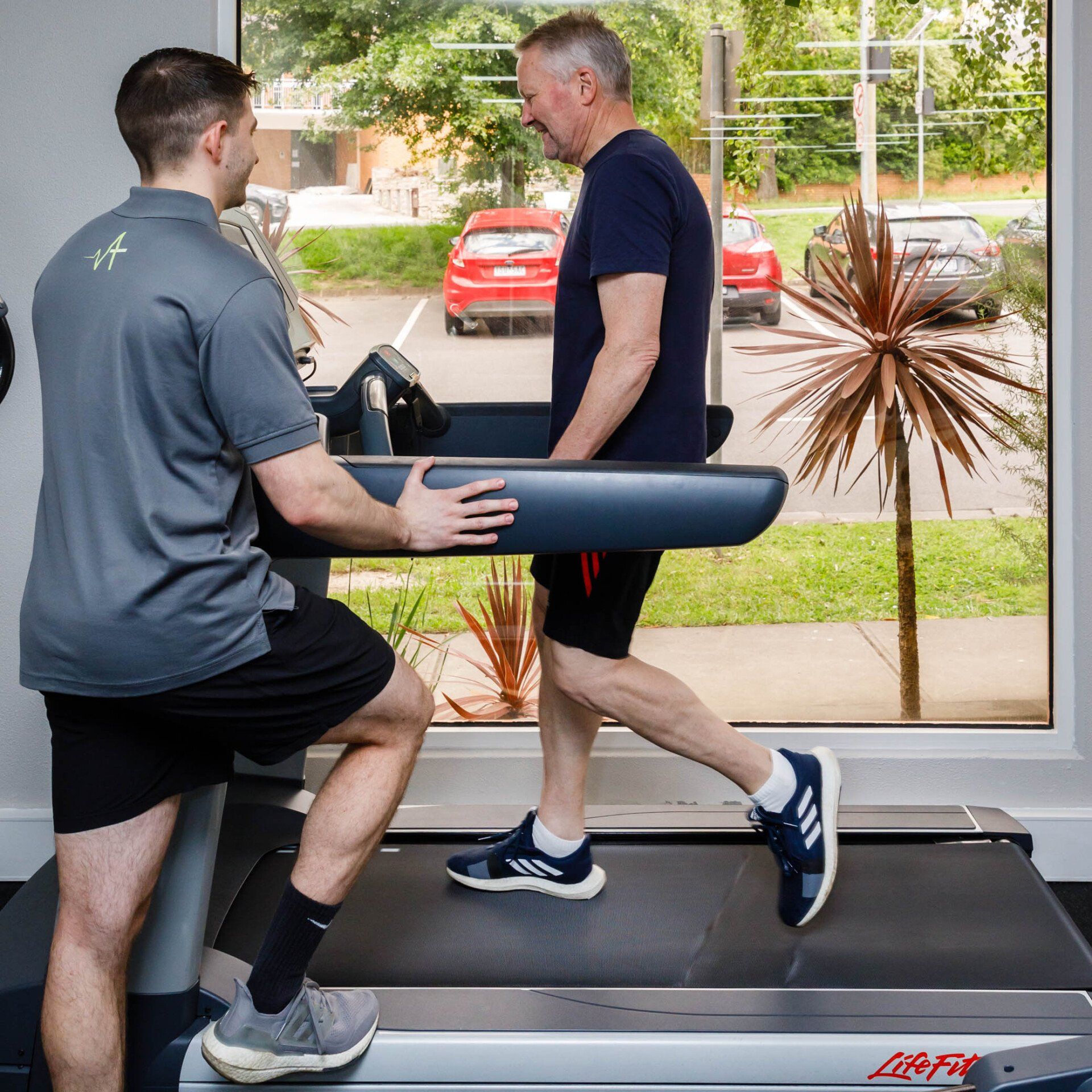
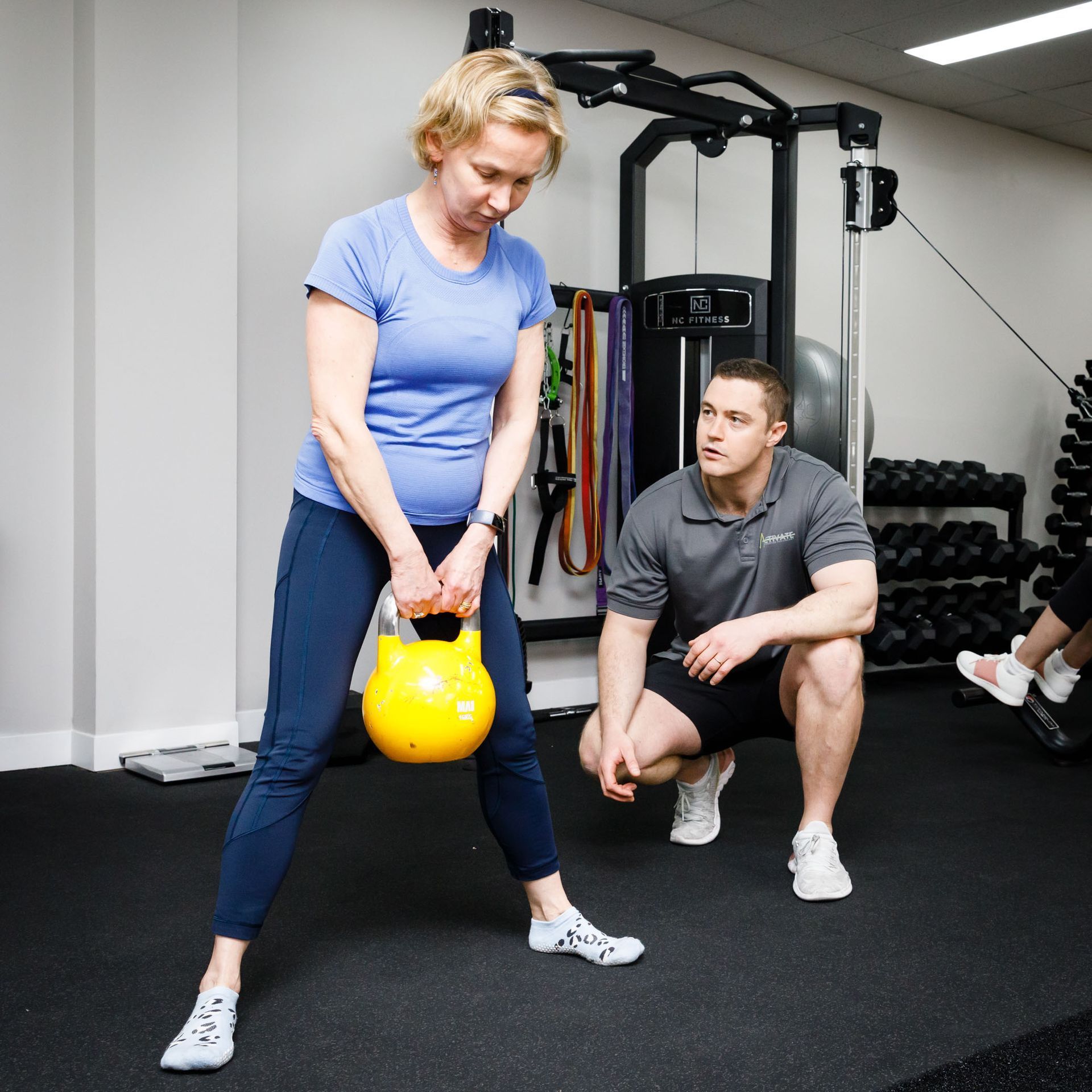
"the best you can hope for with clients is that they do some form of movement, however little." This assertion is not a capitulation to mediocrity but a call to redefine our engagement with exercise and its role in health promotion.


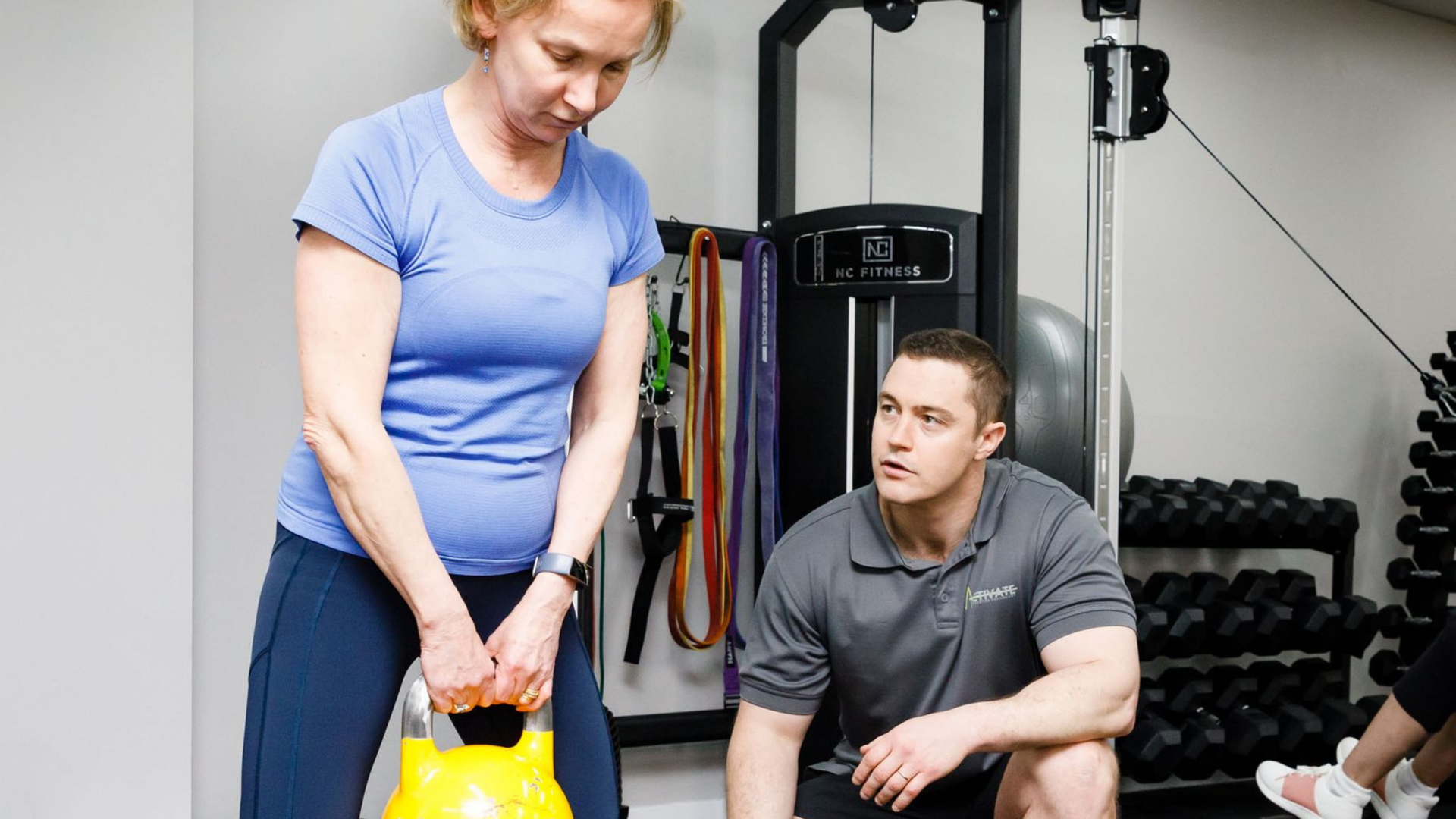
Consider this - A client, let's call them Alex, comes to you with a history of starting and stopping various fitness regimes, each time ending in frustration and a sense of failure. Alex's story is not unique but rather emblematic of a widespread issue – the daunting nature of conventional fitness ideals. This example foregrounds a vital conversation about the barriers to regular physical activity and the need for a paradigm shift in how we define and approach movement.


Unpacking the Proposition

At its core, this stance encourages us to reconsider what we deem "successful" in the context of physical activity. Traditional metrics of success – be it lifting heavier, running faster, or achieving a sculpted physique – while valid, do not encapsulate the broad spectrum of benefits derived from simply moving more. Movement, in its most unadorned form, encompasses a range of activities beyond structured exercise, offering accessible pathways to health for a broader audience.


Insights from Exercise Physiology

Research consistently highlights the myriad benefits of regular physical activity, including but not limited to cardiovascular health, mental well-being, and reduced risk of chronic diseases. The Exercise & Sports Science Australia (ESSA) and similar accrediting bodies underscore the importance of physical activity at any level, advocating for movement as a non-negotiable pillar of health. Studies have shown that even minimal increases in physical activity can lead to significant health benefits. This evidence supports the notion that fostering any form of movement can be a critical step in enhancing one's quality of life.


Addressing Assumptions and Biases

The fitness industry, at times, can be overly prescriptive, pushing narratives that valorize extreme fitness regimes and marginalize those unable to meet these standards. This bias not only alienates a significant portion of the population but also perpetuates a false dichotomy between being a dedicated athlete and leading a sedentary lifestyle. It's essential to challenge this narrative and recognize that engagement in physical activity exists on a continuum, and every point on this spectrum offers its own set of benefits.


Encouraging a Different Perspective

Adopting this broader perspective necessitates a shift in how we, as exercise professionals, engage with our clients. It involves:

  • Personalising the Approach: Tailoring recommendations to fit the individual's lifestyle, preferences, and capabilities, ensuring that the proposed activities are sustainable and enjoyable.
  • Broadening the Definition of Success: Recognizing and celebrating progress in any form, such as increased daily steps, incorporating stretch breaks into the workday, or simply choosing to take the stairs.
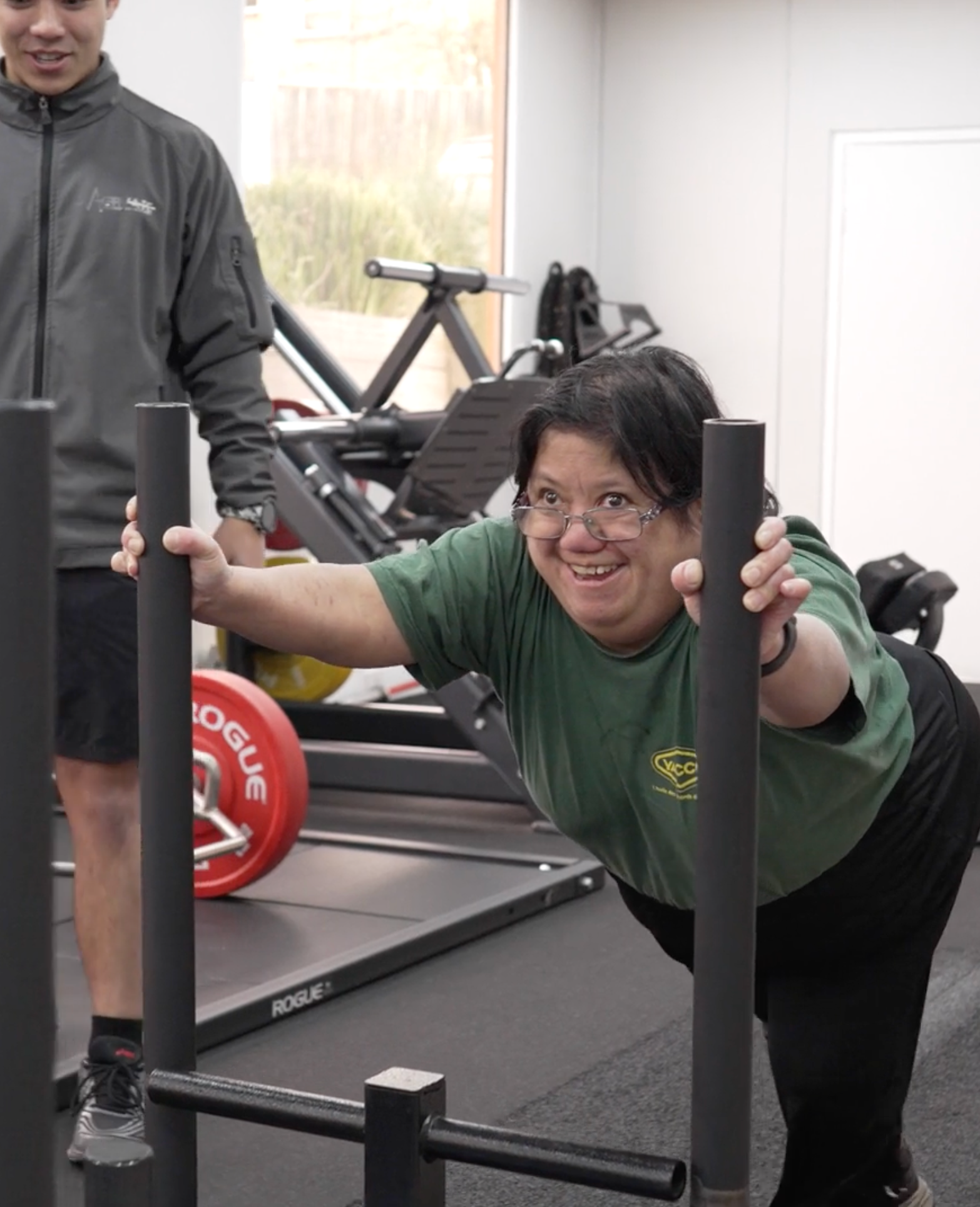
  • Fostering Inclusivity: Creating an environment that welcomes individuals of all fitness levels, backgrounds, and abilities, reinforcing that there's a place for everyone in the realm of physical activity.


Conclusion

As we continue to advance in our understanding of exercise science, let us not lose sight of the fundamental principle that movement, in any capacity, is beneficial. By embracing a more inclusive and flexible approach to physical activity, we can better serve our clients and the broader community, encouraging a healthier, more active society. This perspective does not undermine the value of structured exercise programs but rather complements them, recognizing that the journey towards health and well-being is both personal and varied. In fostering an environment that celebrates all forms of movement, we pave the way for a more inclusive and holistic approach to fitness and health.


Let this serve as a call to action for my fellow professionals to engage in this dialogue, challenging our preconceptions and biases, and ultimately, enriching the lives of those we serve by advocating for movement in its most universal form.


Disclaimer

This blog post is for sparking discussion and isn't medical advice. Always talk to a healthcare provider for exercise recommendations, especially if dealing with pain or injury. This conversation is meant to open our minds and encourage a more inclusive view of fitness, acknowledging the complexities of managing pain within the context of exercise.
June 18, 2026
If you've ever been told to rest, get a massage, or wait for your back pain to settle, this episode might change the way you think about recovery.
June 15, 2026
Understanding Tendinopathy Tendinopathy is a condition affecting tendons, often caused by overuse, repetitive strain, or age-related degeneration. It can present as either acute inflammation or chronic tendon degeneration. Common areas affected include the Achilles tendon, gluteal tendon, rotator cuff, patellar tendon, and the elbow, commonly known as tennis or golfer’s elbow. These conditions can lead to discomfort, pain, and movement limitations. What Causes Tendinopathy? Tendinopathy is primarily caused by overload, repetitive motions, or sudden increases in activity intensity, which can lead to changes in tendon tissue. There are several risk factors associated with tendinopathy that can be divided into modifiable and non-modifiable categories. Modifiable Risk Factors Strength Flexibility Biomechanics Metabolic disorders such as diabetes or arthritis Weight Hormonal influences Sleep and stress Non-Modifiable Risk Factors Age-related degeneration Gender Genetics Structural characteristics Previous injuries Drug exposure It is important to recognise the interplay between modifiable and non-modifiable risk factors. A holistic approach focused on managing modifiable factors can help reduce risk and support tendon health. How Is Tendinopathy Diagnosed? Tendinopathy is diagnosed through a combination of clinical assessment and physical examination. A clinical assessment may include: Understanding an individual’s history Reviewing individual signs and symptoms Exercise Physiologists will typically begin with a physical examination, including: Evaluating pain, tenderness, and movement restrictions Inquiring about activity levels, including recent increases in physical load Assessing the presence of other health conditions Typical clinical presentations include: Localised pain Discomfort following a sudden increase in activity Pain aggravated by continuous load, though it may temporarily improve during movement A proportional relationship between load and pain Pain and stiffness in the mornings While imaging may reveal structural changes such as degeneration, it cannot definitively differentiate between a tendon tear and severe tendinopathy. Imaging should not be used as the sole diagnostic tool and is primarily helpful for ruling out other conditions or identifying referred pain from different areas. How Does Exercise Influence Tendinopathy? Exercise is one of the most effective tools for treating and strengthening tendons affected by tendinopathy. Loading the tendon and surrounding muscles through exercise can help with immediate pain reduction and strengthen the muscle-tendon unit. Properly structured exercise programs help to: Stimulate tendon repair Enhance tendon quality and strength Restore overall function What Is the Best Way to Manage Tendinopathy? There are three essential interventions for managing tendinopathy: Implementing an individualised exercise plan to gradually progress exposure to load for better tolerance and function Managing load outside the rehabilitation program Understanding pain, managing risk factors, and learning how to manage exercise load When managing tendinopathy through an exercise rehabilitation program, it is important to consider an individual’s response to physical stress. This is measured through load tolerance. Load tolerance refers to the amount of pain-free force an individual can produce or absorb for a specific movement over a specified period of time while still maintaining control of the movement. Adequate load tolerance includes: Acceptable pain during activity Pain that settles within a day What Is Acceptable Pain? Training within a pain range of 0–4 out of 10 is considered acceptable. Pain rated 5 out of 10 or higher may be problematic. Exercise Recommendations For any exercise rehabilitation program, it is important to gradually and progressively load the tendon and muscle while remaining within acceptable load tolerance parameters. Load response should continue to be monitored throughout the program. Example Exercise Loading Progressions for Patellar Tendinopathy Knee extension Leg press (double then single) Split squat Step up Walking lunges Higher step for step up Jumping and hopping Split jumps Maximal forward hop References Goom, T.S., Malliaras, P., Reiman, M.P. and Purdam, C.R., 2016. Proximal hamstring tendinopathy: clinical aspects of assessment and management. Journal of Orthopaedic & Sports Physical Therapy, 46(6), pp.483–493. Malliaras, P. and O’Neill, S., 2017. Potential risk factors leading to tendinopathy. Apunts. Medicina de l’Esport, 52(194), pp.71–77. Malliaras, P., Cook, J., Purdam, C. and Rio, E., 2015. Patellar tendinopathy: clinical diagnosis, load management, and advice for challenging case presentations. Journal of Orthopaedic & Sports Physical Therapy, 45(11), pp.887–898. Malliaras, P., 2024. Mastering Lower Limb Tendinopathy 5th edition ONLINE.
June 12, 2026
Learn how we raised funds for local schools over 4 years. Join us in supporting our community through the Sled Challenge Fundraiser!
April 17, 2026
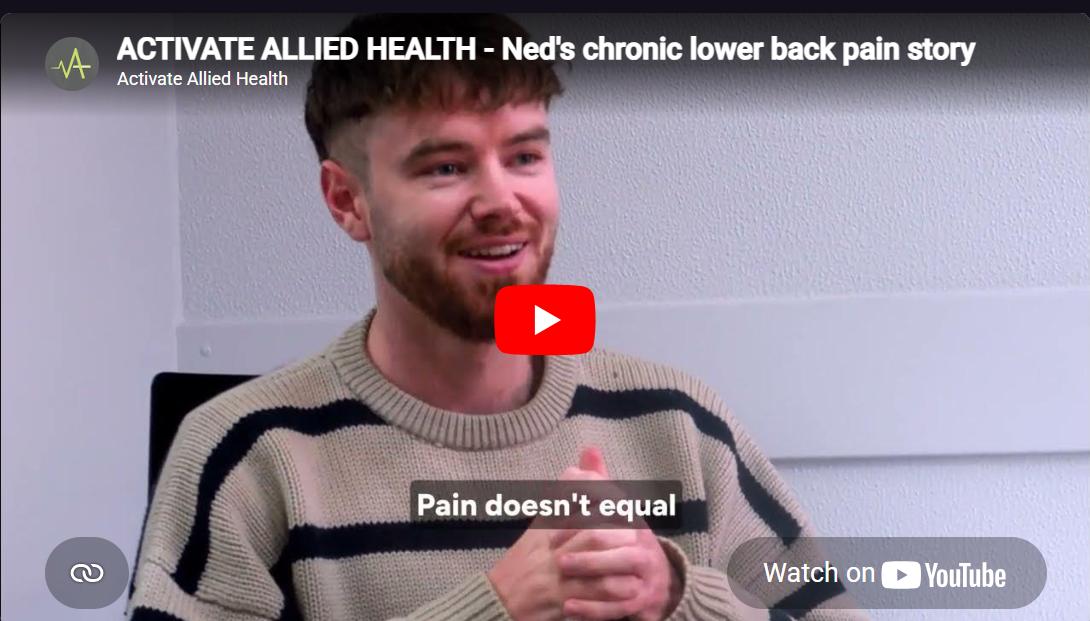
Ned overcame back pain through strength training & support. Start your journey to recovery today with Activate Exercise Physiology.
March 24, 2026
Learn how exercise aids emotional regulation in teens with special needs. Contact us to support their mental health today!
By admin November 20, 2025
Understand sciatica symptoms & causes like disc herniation. Get effective treatment options for back pain. Contact us today!
By admin August 22, 2025
Learn the top 3 exercises to manage knee osteoarthritis pain. Improve your joint health with our expert guidance today!
A woman is talking to another woman while holding a piece of paper.
By admin May 23, 2025
Regular exercise is key to preventing & managing Type 2 Diabetes. Contact us to learn effective strategies for better health.
A man is squatting next to a woman lifting a barbell in a gym.
By admin April 29, 2025
Learn the 3 best exercises for osteoporosis to boost bone health. Contact us for personalized exercise programs tailored to your needs.
A man is helping a woman do exercises in a gym.
By admin October 31, 2024
Reassess pain perception in fitness. Learn strategies to manage discomfort effectively. Contact us for guidance!